

3 Key Benefits of Investing in ETFs

Income and growth
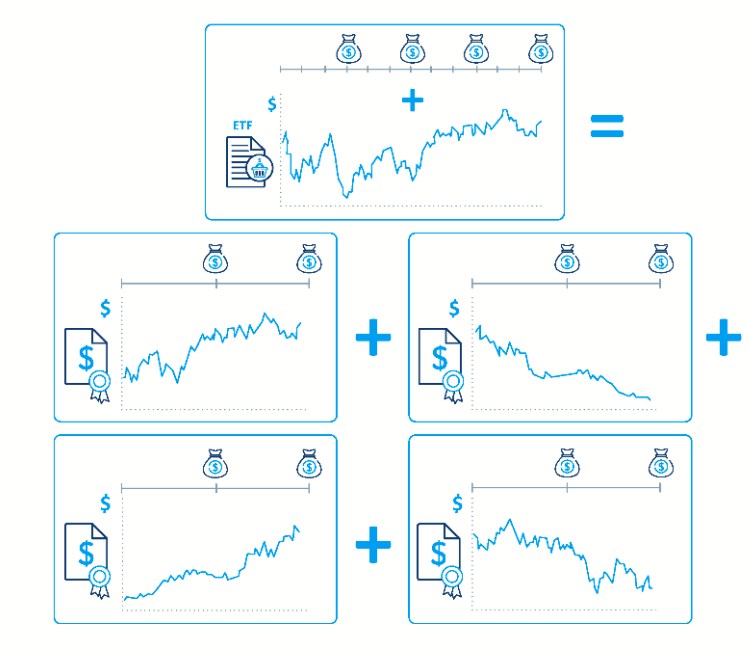
If the share market performs well, the value of your ETFs will increase in line with the rise in the index. If the index falls, your ETFs will decrease in value.
You also receive regular distributions, usually either quarterly or half-yearly.
Distributions include your share of dividends and any franking credits received by the fund from shares in the index. They also include your share of any capital gains the fund makes from selling shares.
Investment objective
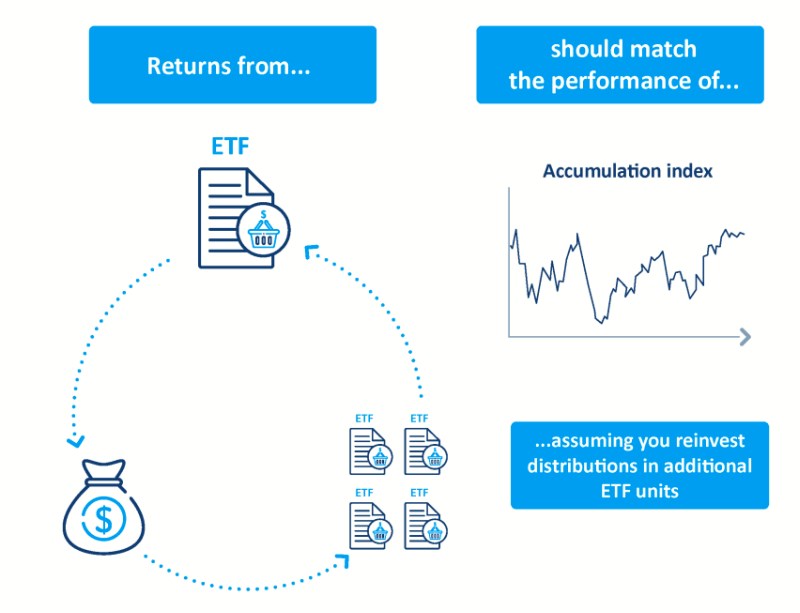
An investment in an ETF is designed to closely follow the same returns (before fees and expenses) as the relevant index, assuming you reinvest all distributions in additional ETF units.
Most ETFs offer a distribution reinvestment plan (DRP). If you participate in the DRP, your distributions are automatically reinvested.
Passive investment
An ETF is a passive investment.
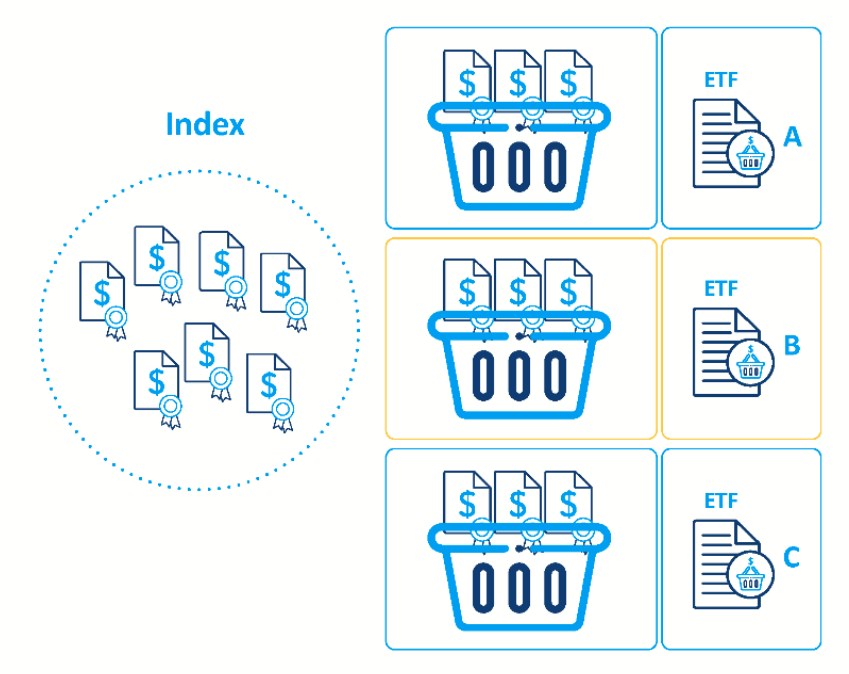
The shares held by the ETF are determined by the composition of the index.
The fund manager's job is to closely track the performance of the index. The fund manager does not attempt to outperform the index by taking overweight or underweight positions in individual stocks.
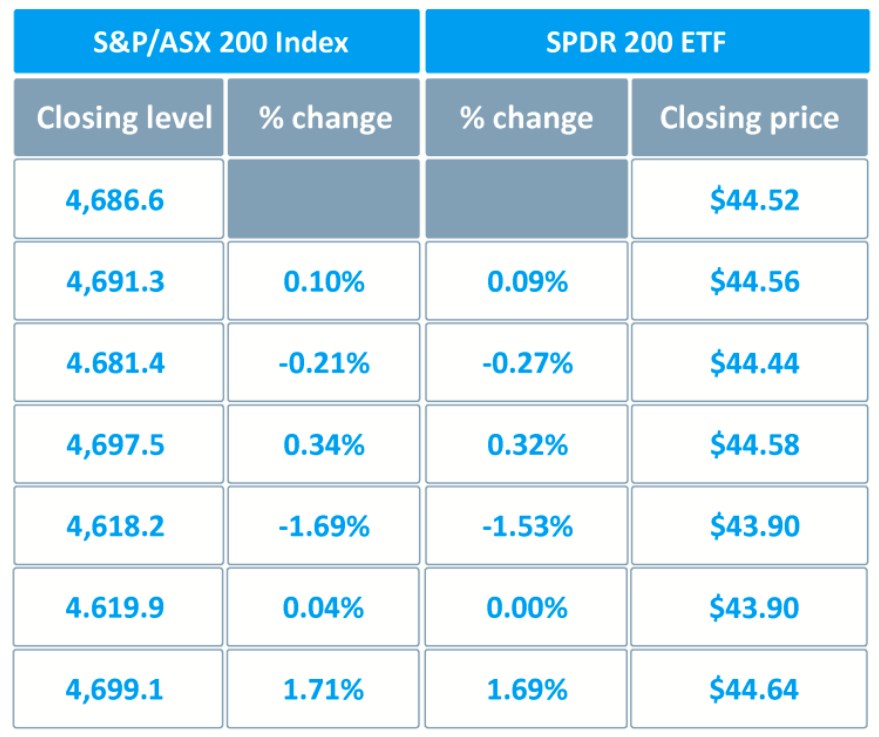
Note that a common misconception is that the index level will be the price of the ETF. This is not necessarily so.
For example, the S&P/ASX 200 index closed at 4462 points. The SPDR 200 ETF (ASX code: STW), an ETF that tracks the S&P/ASX 200, closed at $42.65.What matters is that in percentage terms, a change in the level of the index will result in a similar percentage change in the price of the ETF.

All Comments