


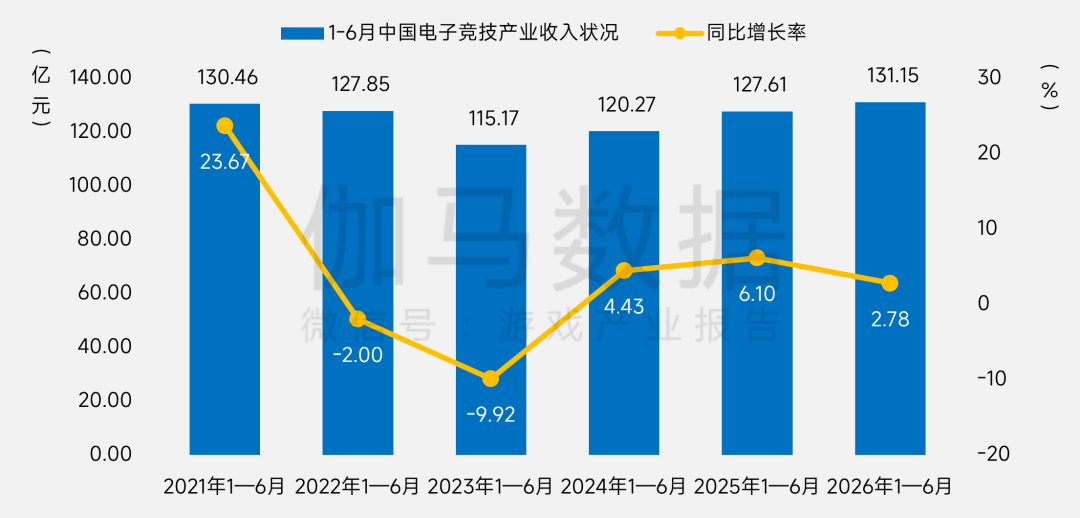
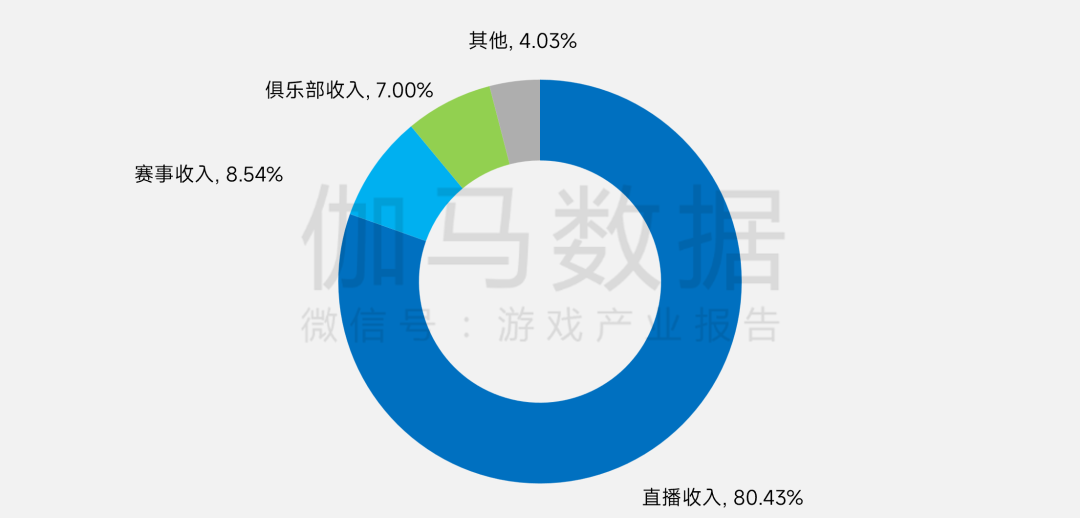
The Zhitong Finance App learned that the “China E-sports Industry Report for January-June 2026” released by Gamma Data shows that from January to June 2026, the actual sales revenue of China's e-sports industry was 13.115 billion yuan, an increase of 2.78% over the previous year. From January to June 2026, live streaming revenue still accounted for the highest share of China's e-sports industry revenue, at 80.43%. Tournaments, clubs and other revenue together accounted for 19.57%. There was no significant change from the same period last year, and the revenue structure was relatively stable.
Data source: China Audiovisual and Digital eSports Expert Committee & Gamma Data (CNG)
Revenue composition of China's e-sports industry from January to June 2026
Data source: China Audiovisual and Digital eSports Expert Committee & Gamma Data (CNG)
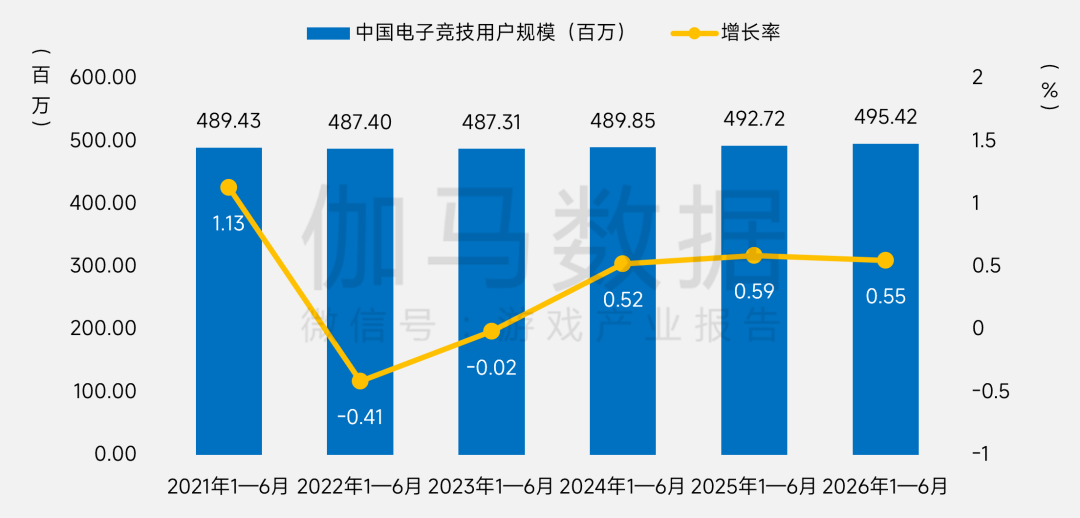
The number of e-sports users reached 495 million, showing a slight increase
As of June 2026, the number of e-sports users in China was 495 million, an increase of 0.55% over the previous year, showing a slight increase, indicating that the increase and decrease in the number of users has stabilized in recent years.
Data source: China Audiovisual and Digital eSports Expert Committee & Gamma Data (CNG)
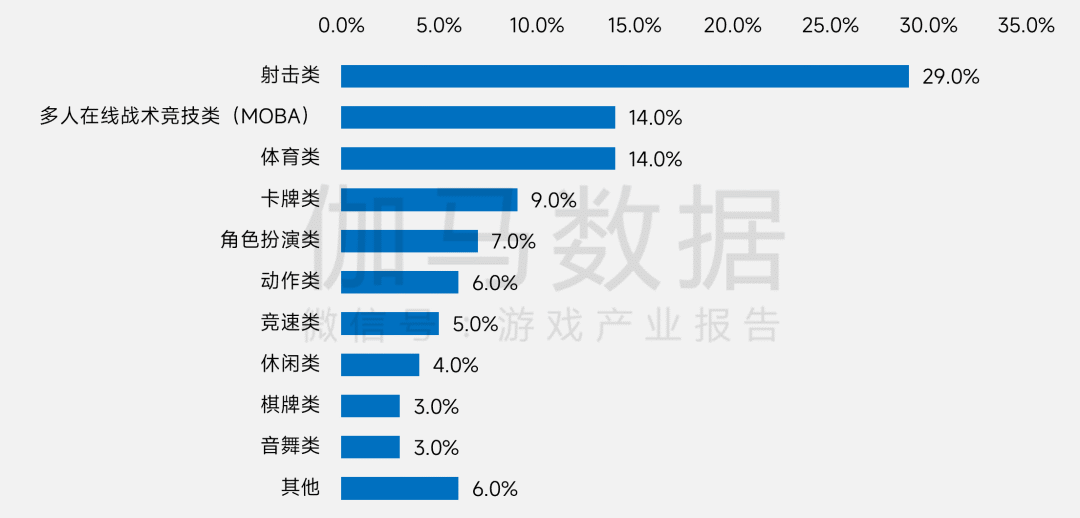
Shooting, multiplayer online tactical competition, and sports products rank in the top three
According to statistics, among the main game types of e-sports products in China, shooting accounts for the highest proportion, at 29%; multiplayer online tactical competitions (MOBA) and sports categories account for the second most common game types, with 14%.
Data source: China Audiovisual and Digital eSports Expert Committee & Gamma Data (CNG)
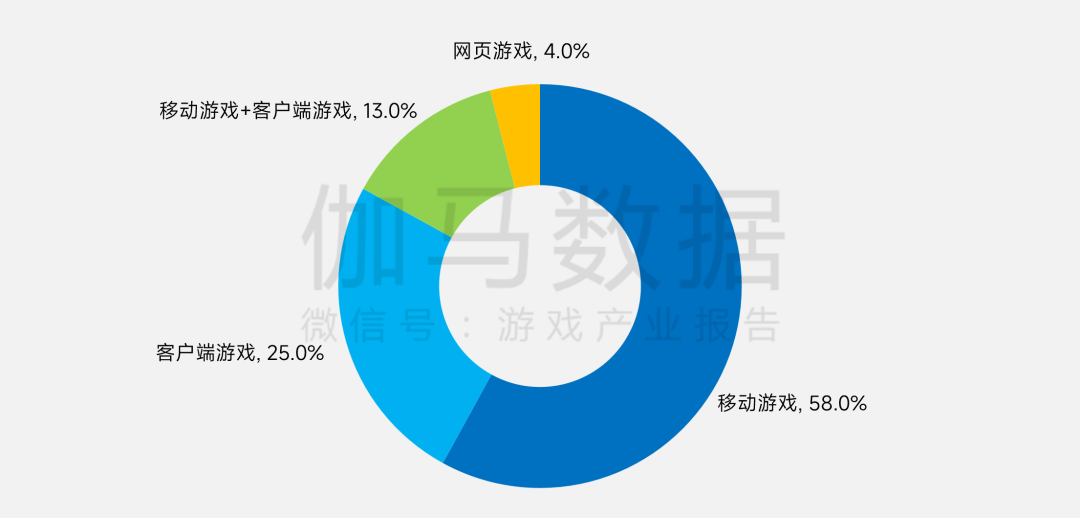
Mobile games account for the highest proportion of e-sports game platform categories
From the perspective of platform types, 58% operate mobile products, 25% operate client-side products, 13% operate both types of products at the same time, and 4% operate web products.
Data source: China Audiovisual and Digital eSports Expert Committee & Gamma Data (CNG)
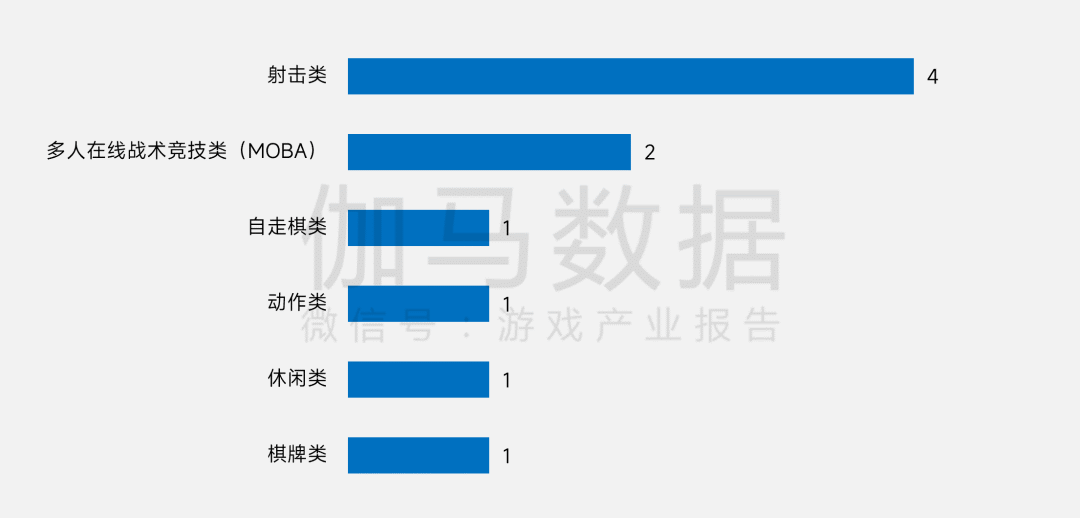
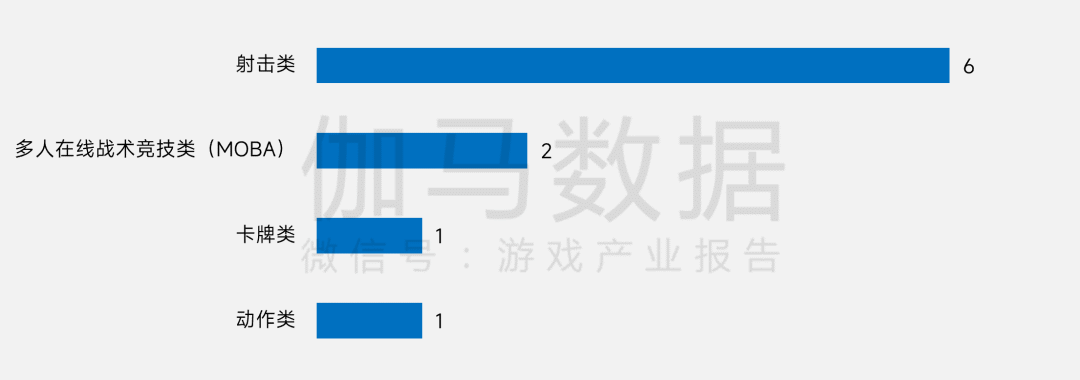
Mobile e-sports games and client-side e-sports games both have the highest number of shooters
From January to June 2026, shooter and multiplayer online tactical competitions (MOBAs) still dominated the top 10 mobile e-sports games. Among them, there are 4 shooting games and 2 multiplayer online tactical competition (MOBA) models. Among the top 10 most popular client-side e-sports game products, there are as many as 6 shooting products.
Number of the top 10 most popular types of client-side e-sports games from January to June 2026
Data source: China Audiovisual and Digital eSports Expert Committee & Gamma Data (CNG)
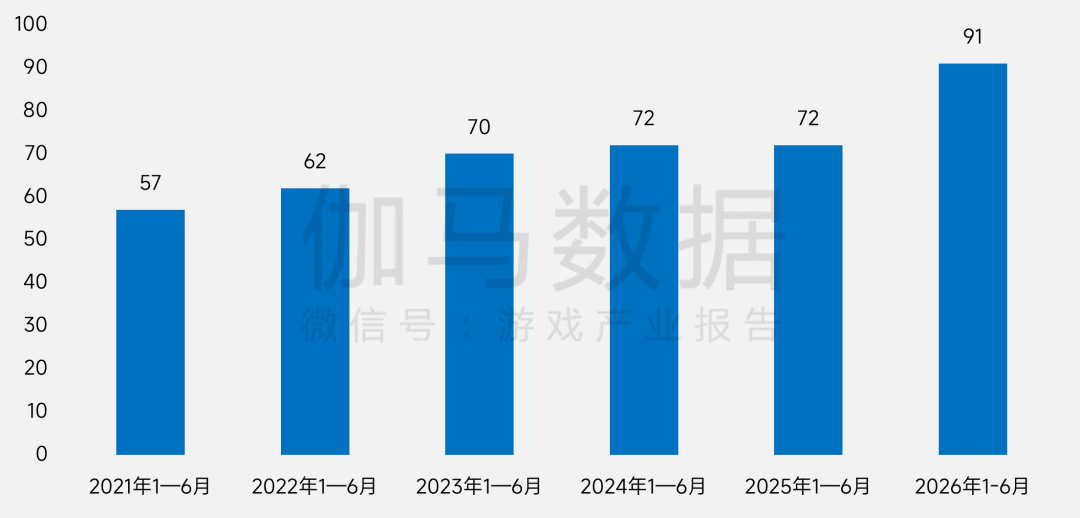
The number of “online+offline” events hosted increased year-on-year
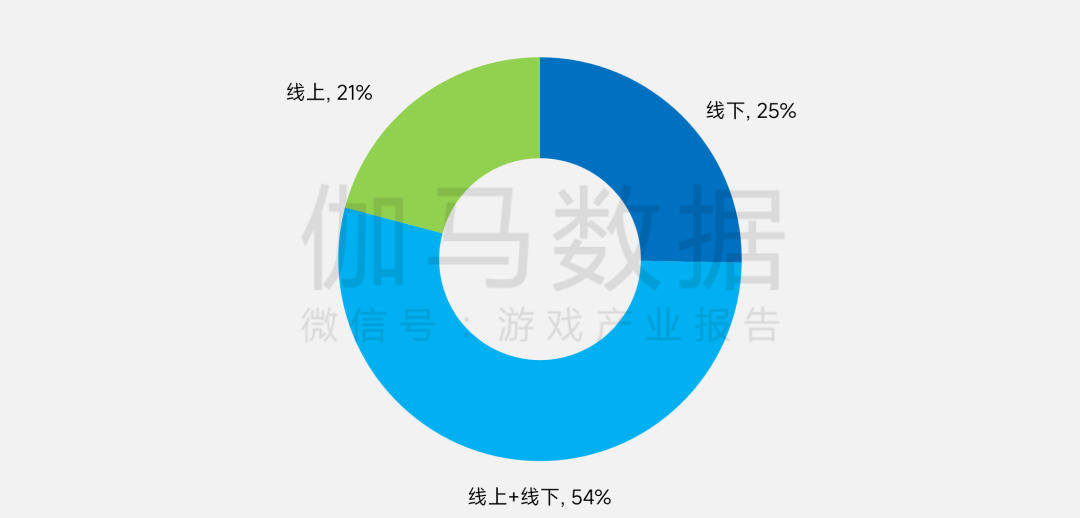
From January to June 2026, a total of 91 non-performance e-sports events with professional players at the provincial level and above will be held in China, an increase of 19 over the previous year. The operation and development of new e-sports product leagues and the promotion of e-sports competitions hosted by local governments were the main reasons for its growth. 25% of the events were held offline, 54% were hosted online and offline, and 21% of the events were held entirely online. In the current economic context, the cost of hosting offline events continues to rise. In addition, some manufacturers are exploring new competition models, making the trend of online e-sports events more prominent. As a result, there has been a year-on-year increase in the number of online and offline tournaments, while the proportion of offline tournaments has declined markedly throughout the process.
Data source: China Audiovisual and Digital eSports Expert Committee & Gamma Data (CNG)
Note: Each series counts as one event
Distribution of e-sports tournament formats in China from January to June 2026
Data source: China Audiovisual and Digital eSports Expert Committee & Gamma Data (CNG)
The number of events hosted by Shanghai ranks first in the country
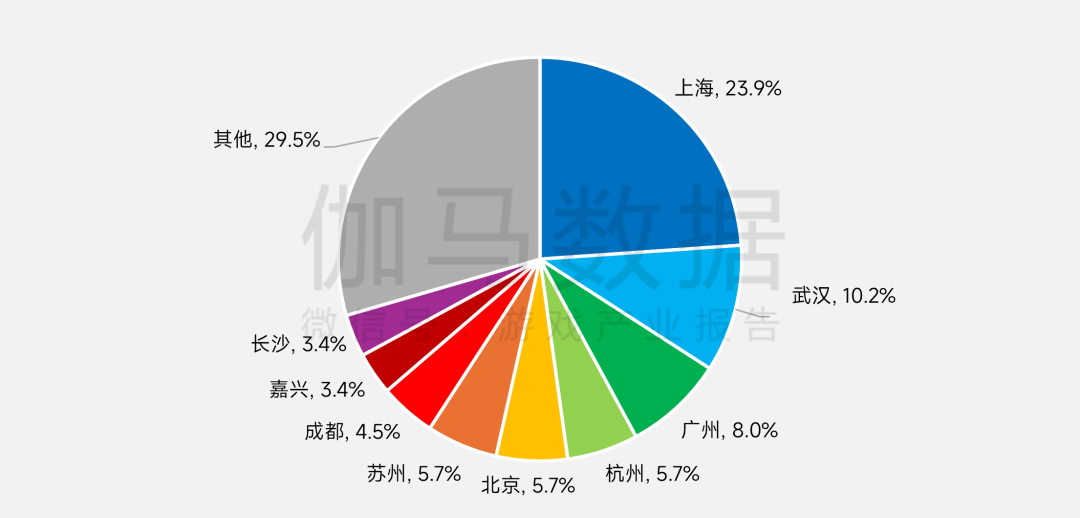
From January to June 2026, there was a major change in the concentration distribution of cities hosting offline e-sports events in China. Shanghai remains in the lead, accounting for 23.9%. Wuhan and Guangzhou, which had a low share in the same period last year, both showed significant increases, accounting for 10.2% and 8%, respectively. The data shows that at this stage, local governments are adopting clear industrial plans, combining their own industrial base, talent reserves, and urban energy level advantages, hoping to take the lead in the e-sports industry layout.
Distribution of cities hosting offline e-sports events in China from January to June 2026
Data source: China Audiovisual and Digital eSports Expert Committee & Gamma Data (CNG)
Note: Only events with offline matches are counted, excluding all online events. Events held in many places are calculated based on the location of the finals.
There are 10 or more clubs in Kitakami and Shenzhen
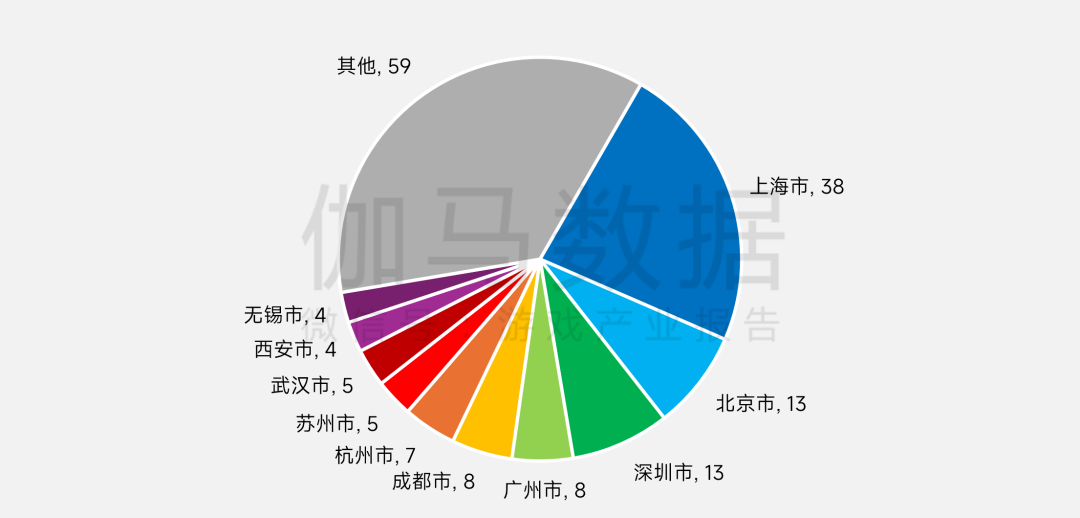
As of June 2026, there were 164 e-sports clubs in China. Shanghai took the lead, with a total of 38 companies. Beijing, Shenzhen, and Chengdu all saw growth, with 13, 13, and 8, respectively.
Data source: China Audiovisual and Digital eSports Expert Committee & Gamma Data (CNG)
Note: Clubs with no operating records in recent years have been removed from this year's statistics
The number of clubs participating in a single event has increased
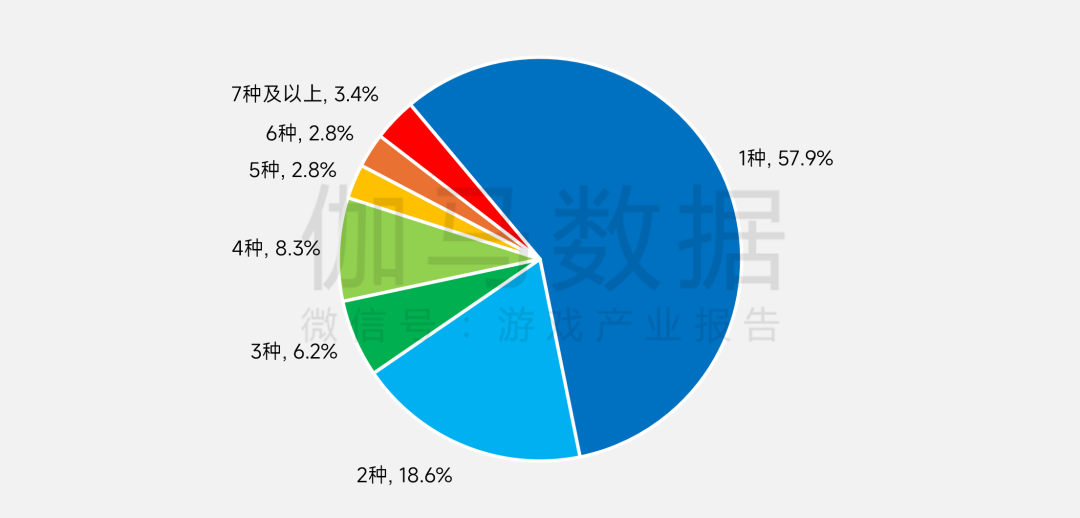
In terms of participation, 57.9% of e-sports clubs only participated in a single event, 18.6% of clubs participated in 2 types of events, 6.2% of clubs participated in 3 types of events, and 8.3% of clubs participated in 4 types of events.
Data source: China Audiovisual and Digital eSports Expert Committee & Gamma Data (CNG)
The influence of overseas events has been further expanded
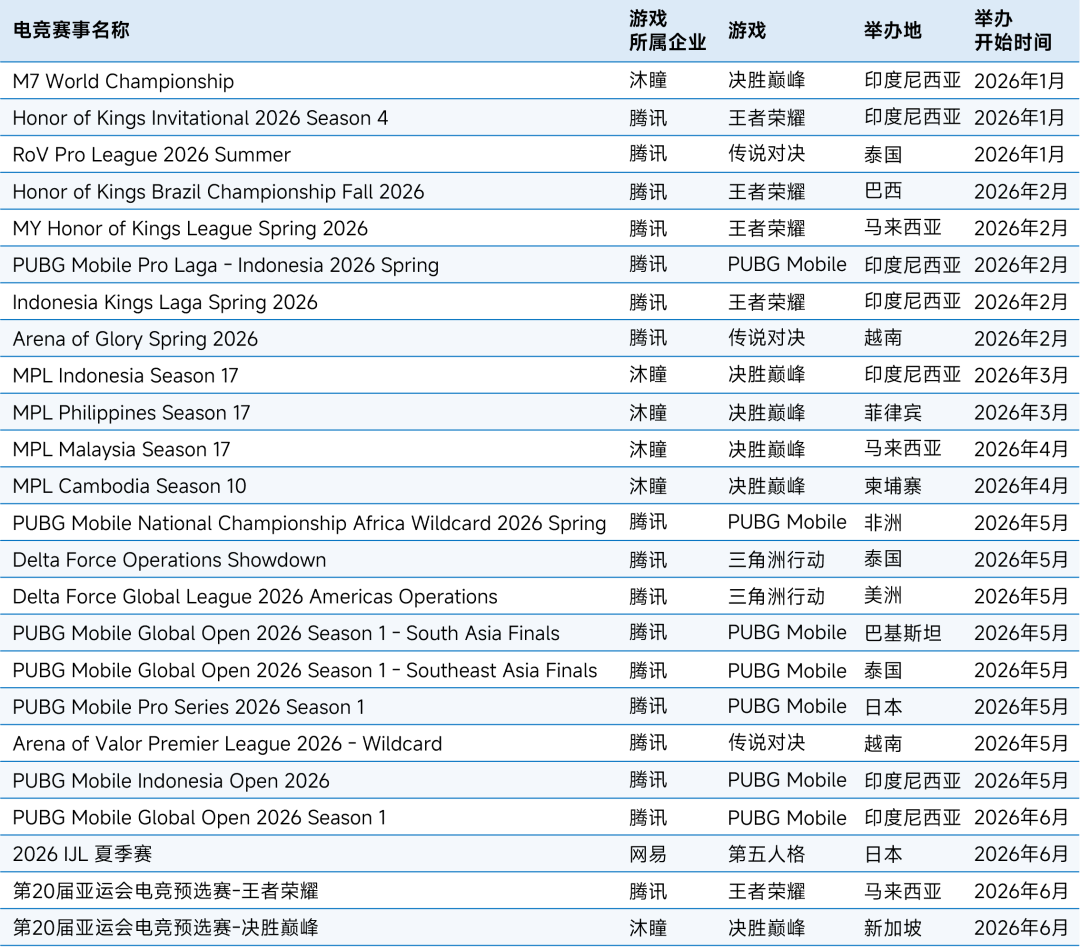
From January to June 2026, China's e-sports industry continued to explore overseas markets. In addition to regions with traditional advantages such as East Asia and Southeast Asia, the American region also expanded significantly. The influence of China's self-developed e-sports product tournaments overseas continues to expand. The peak number of single-game spectators at the top events has exceeded 5.68 million, setting a new high in the number of overseas single-game spectators of Chinese e-sports events.
Table: Outbound status of e-sports events in China from January to June 2026 (partial)
In the first half of 2026, China's e-sports industry developed steadily in terms of market revenue, policy support, national e-sports, university participation, international influence and application of technology. The trend improved, and the standardization, mainstreaming and internationalization of e-sports continued to advance.
In the beginning of the “15th Five-Year Plan”, China's e-sports industry will continue to be based on boutique e-sports products. With policy support, public opinion optimization, and the needs of the times, it is likely to use high-quality and systematic e-sports competitions as a starting point to boost the digital economy, promote residents' consumption, stimulate urban cultural tourism, stimulate innovation momentum, and strengthen the international leading role, and create a healthy, more sustainable and globally competitive e-sports development ecosystem, thus promoting the e-sports industry to become a new driving force for the digital economy and a new space for cultural dissemination.