


Charles Schwab has had a powerful three year share price run, even though the stock has pulled back in recent weeks. That puts fresh focus on whether the current valuation is still supported by the returns the business earns on its capital. With Schwab pushing into areas like private markets access and new technology tools for advisors, investors may want to consider whether those initiatives can sustain the kind of capital efficiency that might justify today's price.
- Schwab's stock has delivered a 90.1% gain over the past three years, which raises the question of whether the underlying returns on capital have kept pace with that move.
- The push into private stock trading through the Forge Global deal and AI tools for financial advisors may support expectations for how effectively Schwab can deploy its capital and earn returns on the assets it gathers.
- Prefer to judge Charles Schwab on earnings? See why Charles Schwab's 17.7x P/E tells a different valuation story.
For investors, the debate is whether the current share price is adequately explained by the returns Charles Schwab now generates on the capital it invests in its business.
If you are weighing Charles Schwab on the returns it earns on its capital and want context, it can help to compare it with 30 high quality undervalued stocks.
Is Charles Schwab a Bargain on Excess Returns?
The Excess Returns model starts by asking how much profit Charles Schwab can earn on each dollar of shareholder capital and how long that extra profitability can last. Schwab is modeled with a book value of $25.42 per share and a stable book value of $32.35 per share, with an average return on equity of 23.54%. That combination feeds into a stable EPS estimate of $7.62 per share, after covering a modeled cost of equity of $2.85 per share. The remaining $4.77 per share is the excess return that creates value above the plain balance sheet.
For you as a shareholder, the key question is whether the current price of $99.49 already captures those excess returns or not. Because the Excess Returns projections put Charles Schwab's estimated intrinsic value meaningfully above the current share price, the model implies the market is not fully crediting those ROE assumptions. The recent push into private markets access through Forge Global gives Schwab more ways to apply that equity base, which helps explain why the price may still sit below what the model suggests for long term profitability. You can see the detailed Excess Returns valuation for Charles Schwab here. Find out what Charles Schwab could be worth using our Excess Returns estimate.
The Charles Schwab Narrative: What Would Justify Today's Price?
Simply Wall St Narratives pick up where that valuation puzzle for Charles Schwab leaves off. They spell out which future paths for growth, profitability and earnings power would need to hold for the stock to be worth meaningfully more or less than today's price, all framed as clear, testable ideas about the business so you can watch how each one holds up over time.
One of the top community narratives on Charles Schwab: 19% undervalued
What’s emerging instead is a clearer picture of a brokerage giant built for scale, patience, and compounding...
Discover why this Narrative puts Charles Schwab at 19% undervalued.
For Charles Schwab, price is only one piece of the puzzle
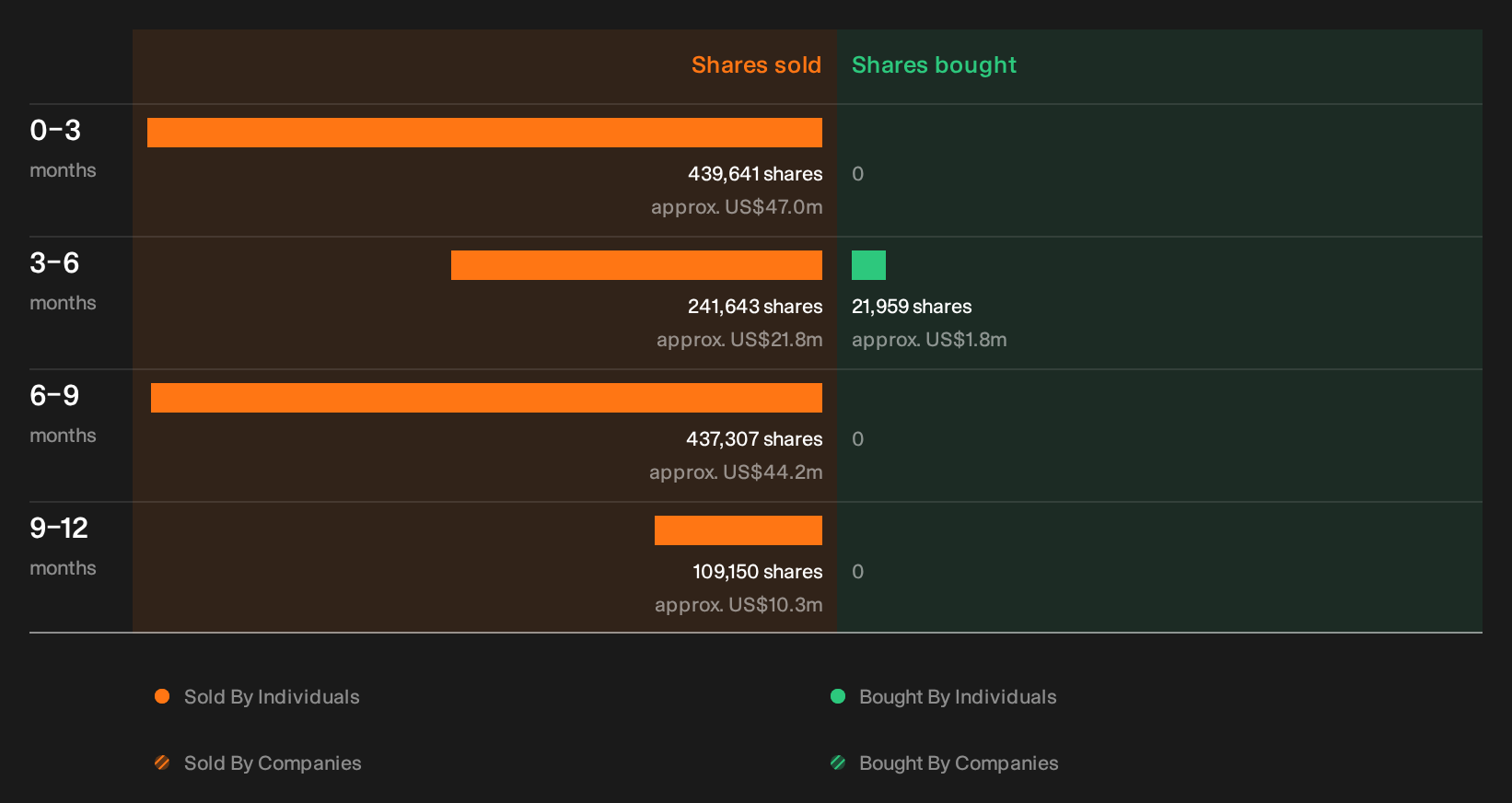
Shareholder returns and valuation models tell part of the story, but recent insider share sales picked up by our checks raise a separate line of questions that many investors will want to inspect for themselves. See the recent insider selling flagged for Charles Schwab.
This article by Simply Wall St is general in nature. We provide commentary based on historical data and analyst forecasts only using an unbiased methodology and our articles are not intended to be financial advice. It does not constitute a recommendation to buy or sell any stock, and does not take account of your objectives, or your financial situation. We aim to bring you long-term focused analysis driven by fundamental data. Note that our analysis may not factor in the latest price-sensitive company announcements or qualitative material. Simply Wall St has no position in any stocks mentioned.
Have feedback on this article? Concerned about the content? Get in touch with us directly. Alternatively, email editorial-team@simplywallst.com