


Back in July, Mark Zuckerberg made a promise that sounded big, even by his standards. On Meta Platforms' (META) second-quarter earnings call, the Big Tech CEO said the company was building personal artificial intelligence (AI) agents that could work "24/7 on your behalf." He wanted something billions of people could use without a comprehensive setup process.
"It needs to just work, right? It needs to be simple," he told analysts.
Two months later, the AI agent is available to millions of users.
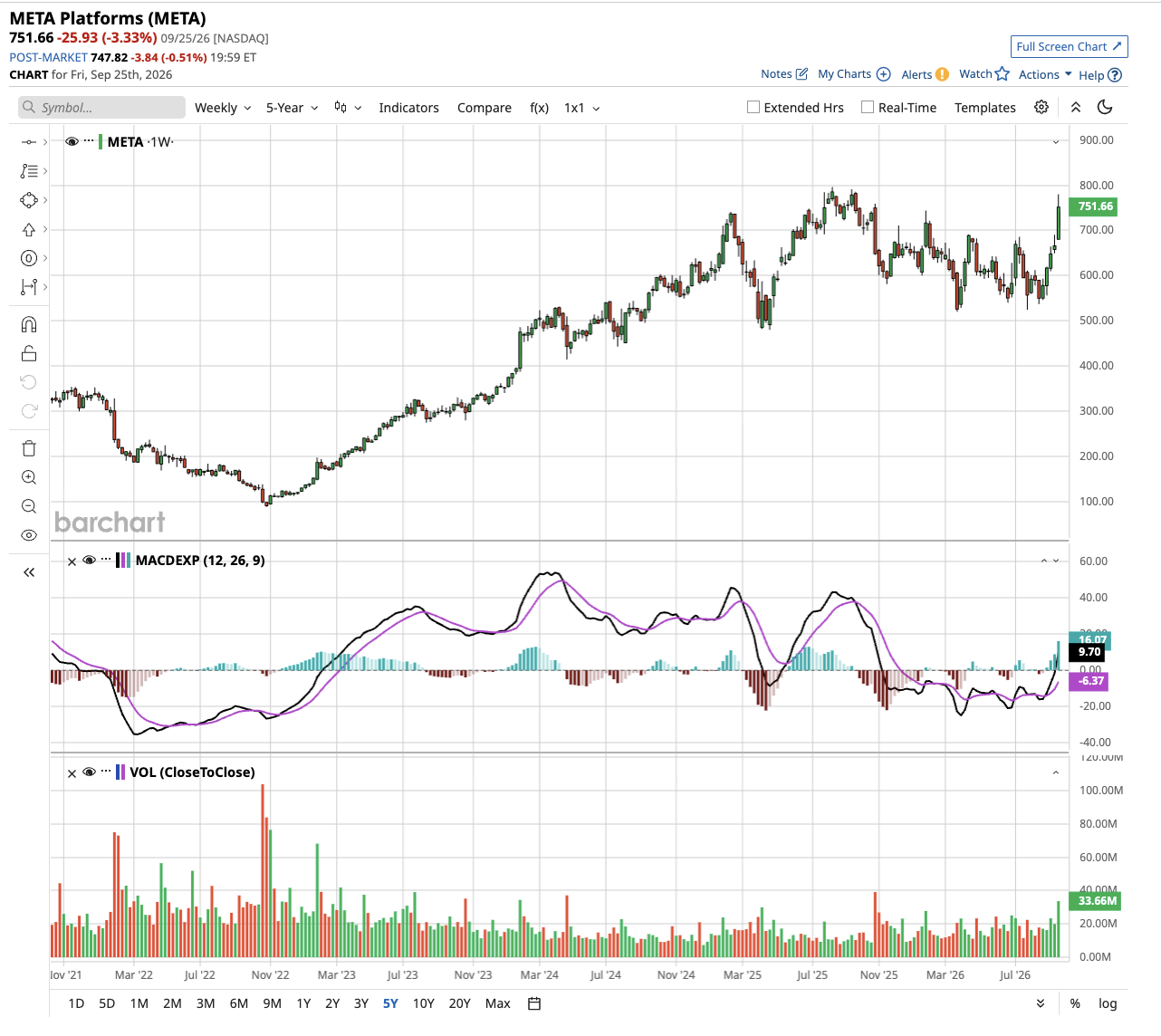
Meta Stock and the Big AI Spending Bet
In the second quarter, Meta's capital spending surpassed $31 billion, mostly driven by servers, data centers, and networks. For the full year, Meta expects to spend between $130 billion and $145 billion in capital expenditures.
Its massive AI investments will impact near-term cash flow generation. Wall Street projects Meta to report a free cash outflow of $6.51 billion in 2026. This number is estimated to widen to $25 billion next year.
The core business is still growing at a steady pace, though:
- Total revenue reached $60.8 billion, up 28% year over year.
- Ad revenue climbed 27% to $59.4 billion.
- About 3.6 billion people use at least one Meta app every day.
Operating income slipped 8%, but that included $2.4 billion in legal charges and $1.2 billion in severance costs. Stripping out these costs, it would have risen 9%, CFO Susan Li said on the call.
So investors kept asking one simple question: When does all this AI money turn into products people want?
Meta Muse AI Arrives
On Sept. 8, Meta answered. The company introduced Muse, a personal AI agent that works like texting a friend. You tell it what you need, and it gets to work, according to a company statement.
Muse can send emails, book travel, fill out forms, and even negotiate on your behalf. It keeps working after you close the app. It also checks with you before sending an email or making a purchase.
Each user's Muse runs on its own dedicated cloud computer, and a separate "Sentinel" agent must approve anything that goes out to the internet. Meta also says Muse doesn't share your conversations with its ad systems.
The app is free for most uses, with paid plans for people who want access to additional features.
Meta Muse AI Downloads Beat ChatGPT
Muse topped 3.4 million downloads as of Thursday, Sept. 24, TechCrunch reported, citing Sensor Tower estimates, up from 2.5 million at the start of the week. Apptopia puts the total app downloads at 4.3 million, while Appfigures estimates about 2.3 million. And remember, Muse is only available in the U.S. and Canada right now.
The speed of adoption is what stands out:
- In its first ten days, Muse downloads grew an average of 55% day over day, per Sensor Tower.
- ChatGPT averaged 24% daily growth over its first ten days.
- Claude and Grok saw download growth decline during their launches, TechCrunch noted.
Muse hit No. 1 on the U.S. App Store on Sept. 18 and took the top spot on Google Play a day later. It has held both spots since.
Meta began running house ads for Muse one day after launch, according to Sensor Tower. Within 10 days, Muse was getting more of those promotions than Facebook, Instagram, or WhatsApp. By Sept. 22, it ranked among the top ten brands by ad spending.
But ads made up only 6% of Muse's ad impressions from launch through Sept. 19, TechCrunch said. Most of the growth appears organic.
Meta used a similar playbook to push Threads past 500 million monthly users. Still, Threads head Connor Hayes told Business Insider that Muse needs a different approach. Instead of matching posts to interests, Meta's promotions try to show each person something useful the agent could do for them.
What's Next for Meta Stock Investors
Meta poured fuel on the launch at its Connect conference on Sept. 23.
The company said Muse is coming to its AI glasses in the coming months. It also added shopping partners such as Walmart (WMT), Best Buy (BBY), and Sephora, plus PayPal (PYPL) and Shop Pay for payments. Muse is even getting its own email address. Daily active users jumped 27% the day after Connect wrapped, according to Sensor Tower.
Moreover, Zuckerberg has been clear about the goal. Within five years, he expects "billions of people with a personal agent."
That's why 3.4 million downloads matter. These downloads are the first real proof that Meta's massive AI bet has found an audience.
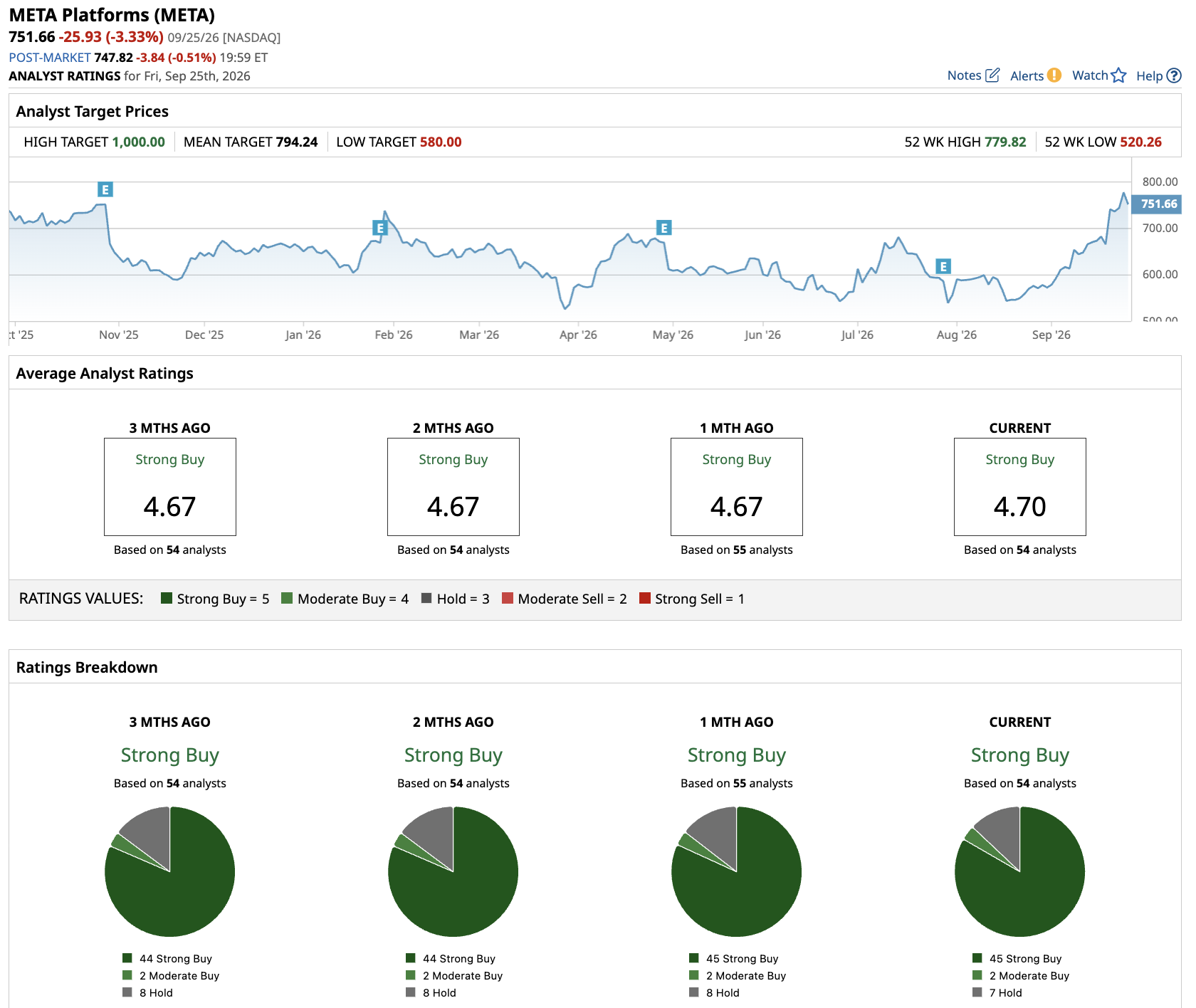
Out of the 54 analysts covering Meta stock, 45 recommend “Buy”, two recommend “Moderate Buy”, and seven recommend “Hold”. The average META stock price target is $794, above the current price of $751.
On the date of publication, Aditya Raghunath did not have (either directly or indirectly) positions in any of the securities mentioned in this article. All information and data in this article is solely for informational purposes. For more information please view the Barchart Disclosure Policy here.