


The Zhitong Finance App learned that Shenwan Hongyuan Securities released a research report saying that during the National Day holiday, global assets showed a pattern of “high US bond interest rate stalemate unbroken and equity market differentiation continued”: US PCE and non-farmers fell short of expectations to reduce the probability of interest rate hikes in October, but high crude oil prices dragged down, US bond yields remained high after reaching new highs, and the market's perception of “strong short-term economy+repeated inflation” strengthened the concerns that high interest rates exacerbated economic vulnerability in the medium term. US stocks continued to rebound but structural differentiation intensified. Japanese stocks benefited from lower expectations of interest rate hikes and rebounded strongly, while Hong Kong stocks adjusted slightly due to lack of capital going south. Corresponding to A-shares, it has been in a volatile recuperation period between the two major waves of growth for a long time (similar to the first half of 2014 or 2018 scenario). The medium-term shock recuperation continues and favors weakness. After a short-term overfall, a “red October” small-level rebound can be expected. In terms of allocation, I continue to be optimistic about the direction in which performance is being absorbed in the AI chain (storage, high-end CCL, PCB, capacitors) and CXO, innovative drugs, coal, shipping, precious metals, industrial metals, chemicals, real estate, etc. on non-tech tracks. At the same time, high-dividend assets (banks, non-banks, food and beverage, utilities) still have allocation value as a defensive bottom.
Shen Wan Hongyuan's main views are as follows:
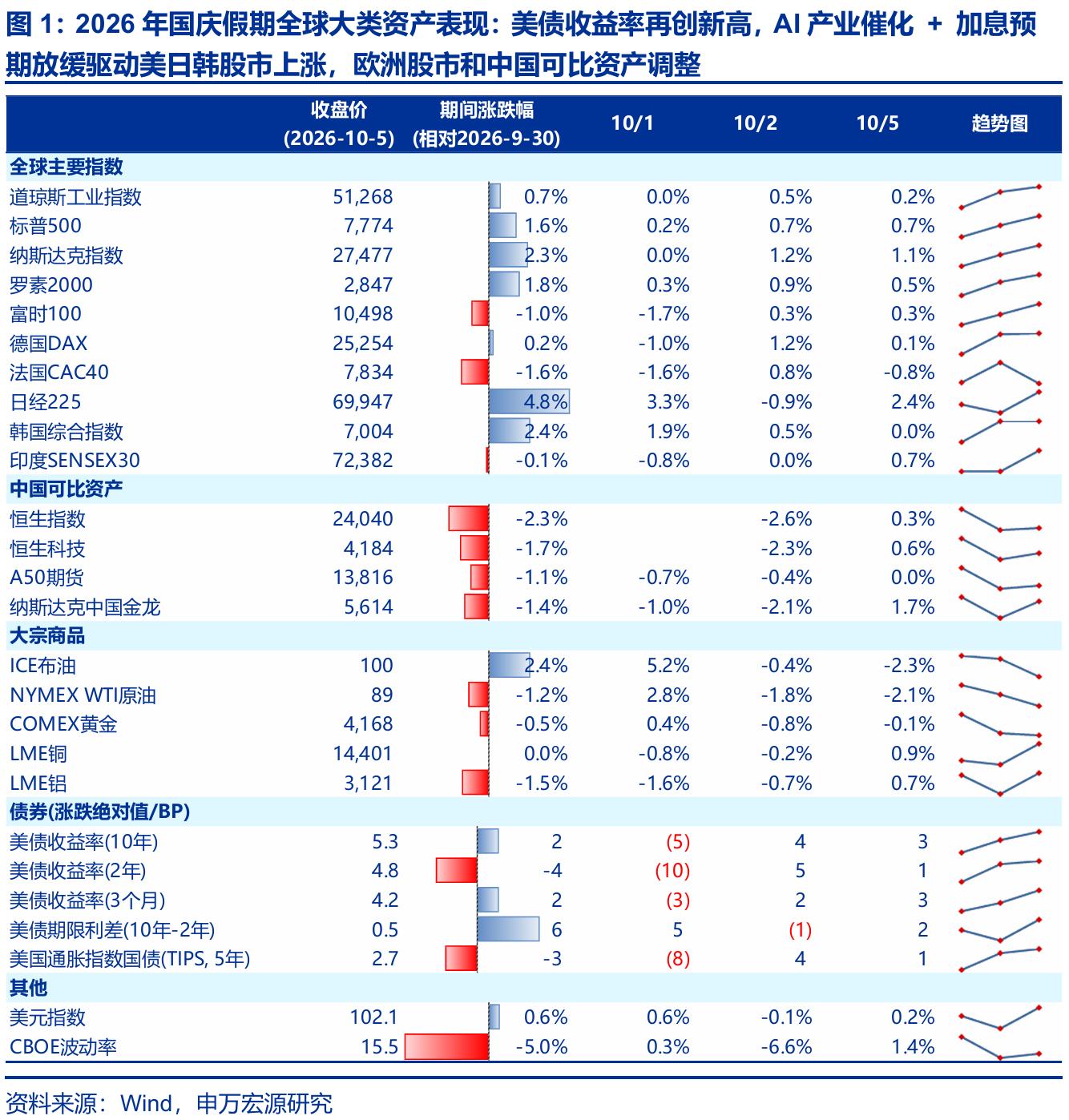
1. National Day asset price performance: Expectations of the Federal Reserve's interest rate hike in October were revised downwards, but after the crude oil price rebounded, the US bond yield remained high after reaching a new high. High US bond yields and corresponding mid-term concerns about the US economy have yet to find a breaking point. The equity market performance of various countries during the holiday season was more biased towards the continuation of the mid-term trend. The impact of eventual catalysis was biased towards a small level: US stocks continued to rebound, structural differentiation intensified, Japanese stocks rebounded strongly (the probability that the Bank of Japan would raise interest rates in October was also lowered), and China adjusted slightly compared to assets.
National Day asset price performance characteristics: US PCE and new non-farm payrolls fell short of expectations in September. Federal Reserve officials made dovish statements, and expectations for the Fed's interest rate hike were lowered in October. However, US bond yields have not declined significantly as the probability of interest rate hikes has declined. After the crude oil price rebounded, the US bond yield remained high after reaching a new high. The short-term perception of the US economic mix is further strengthened: economic fundamentals are strong, and inflation expectations are repeated. The Fed's rate hike matches the short to medium term economy+inflation combination. However, the market reasonably deduces that continued high interest rates will increase economic vulnerability, medium term credit risk may ferment, and local risks caused by AI changes may also be amplified. Let's summarize the problem behind high US bond yields, that is, the medium-term problem exists objectively, but the policy layout does not provide a solution for the mid-cycle. Interest rate hikes are not a solution to the medium-term problem; on the contrary, they may increase medium-term risks. During the National Day holiday, oil prices, US bond yields, and expectations of the Federal Reserve's interest rate hike are still the main lines of market transactions. However, the breaking point of high US bond yields has yet to be seen.
On the equity market side, US stocks continued to rebound, but structural differentiation further intensified, and the money-making effect continued to focus; Japanese stocks rebounded strongly, while China's comparable assets, represented by Hong Kong stocks, were slightly adjusted. In the short term, major capital markets are not responding symmetrically to changes in the global asset allocation environment. The main differences may stem from: 1. Exposure weights for AI short-term catalysis: for example, exposure weights for AI storage chains. 2. The segmentation of the AI industry continues to be priced in the medium term: the AI model and application side pay more attention to security; computing power inflation and the sustainability of high profit growth face additional challenges; there is objectively room for computing power inflation and the redistribution of profits from leading CSP companies; and supply constraints on computing power inflation are loosened. This corresponds to US stocks outperforming the Asia-Pacific stock market in the mid-band. 3. The independent liquidity logic of each capital market: The Bank of Japan's interest rate hike expectations for October have also been revised downwards. However, Hong Kong stocks continued the characteristics of the offshore market, and the lack of capital in the Hong Kong Stock Exchange southward during the National Day holiday exacerbated the problem of insufficient liquidity in Hong Kong stocks. Overall, the National Day rate hike and global stock market performance are more of a continuation of their respective medium-term trends; short-term eventful catalytic effects are biased towards a small level.
2. Discuss the long-term, medium, and short-term band positions of A-shares: In the long term, A-shares are in a period of fluctuation and recuperation between two major bands of growth. In the medium term, the recuperation period continued, and it was still biased towards the weak shock phase. In the short term, after the market falls sharply, a small “red October” can be expected.
There were no major breakthroughs in the global asset allocation pattern or technology industry trends during the National Day holiday. The long-term, medium-, and short-term band positioning of A-shares remains unchanged. Let's discuss it more clearly:
Long-term: A-shares are in a period of fluctuation and recuperation between two major waves of growth. The complete broad-band market, with two major bands of rise, is a classic characteristic of A-shares. The current round of AI industry trends is likely to rise in another big wave. The core logic is that the technology industry trend is not over + the space for migrating residents' asset allocation to equity has not been fully exploited. However, during the period of fluctuation and recuperation in the middle, the upper market scenario can be viewed as the first half of 2014, when the main technology line fluctuated and rectified, and the overall market fluctuated. However, technology and non-technology themes were active, and the micro-profit effect was not weak. The process of rotating themes is also a process of forging consensus on new industry trends. However, for the lower-bound market scenario, you can refer to 2018. Under macroeconomic shocks, the combination of economy and policy was unfavorable, and core industry trends were affected. Until macroeconomic issues are resolved, consensus on industry trends is consolidated, and the broad-band market is rebuilt.
Mid-term: The shock recuperation period continues, and it is still biased towards the weak shock phase. We continue to suggest the next two important points: 1. After the October 3 quarterly report, the AI leader's performance digestion valuation was initially in place. It may be based on clues that the profit growth rate continued to improve in '27, and the differentiation will strengthen. At the same time, based on this, the level of activity on science and technology topics is likely to increase again. 2. An important opportunity to improve the overseas asset allocation environment is also a clear direction for the adjustment of the Federal Reserve's monetary policy framework in the AI era. As the Federal Reserve's policy focus shifts to preventing potential risks in the medium term and actively dealing with structural risks that may be caused by AI changes, the global asset allocation environment may reverse.
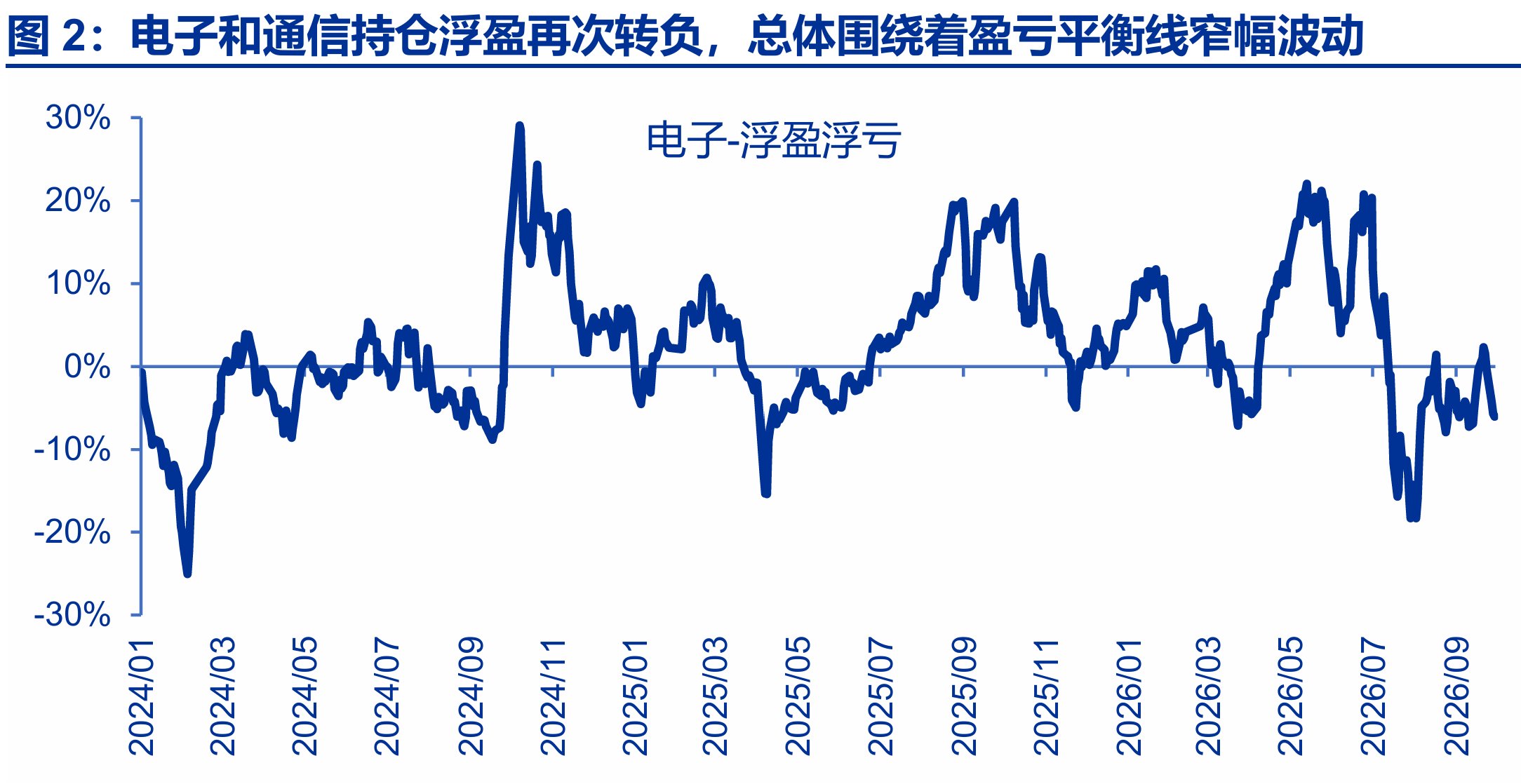
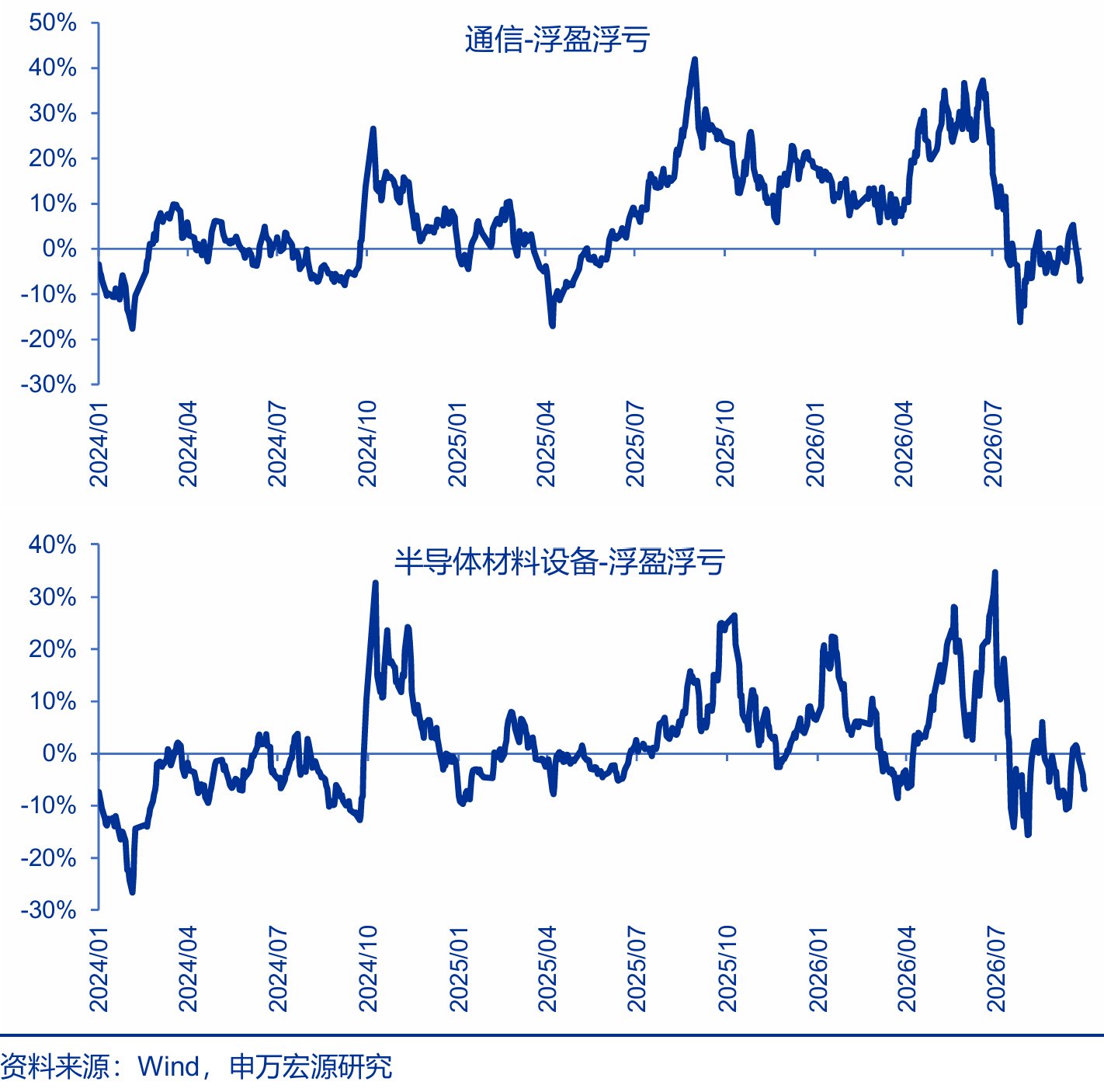
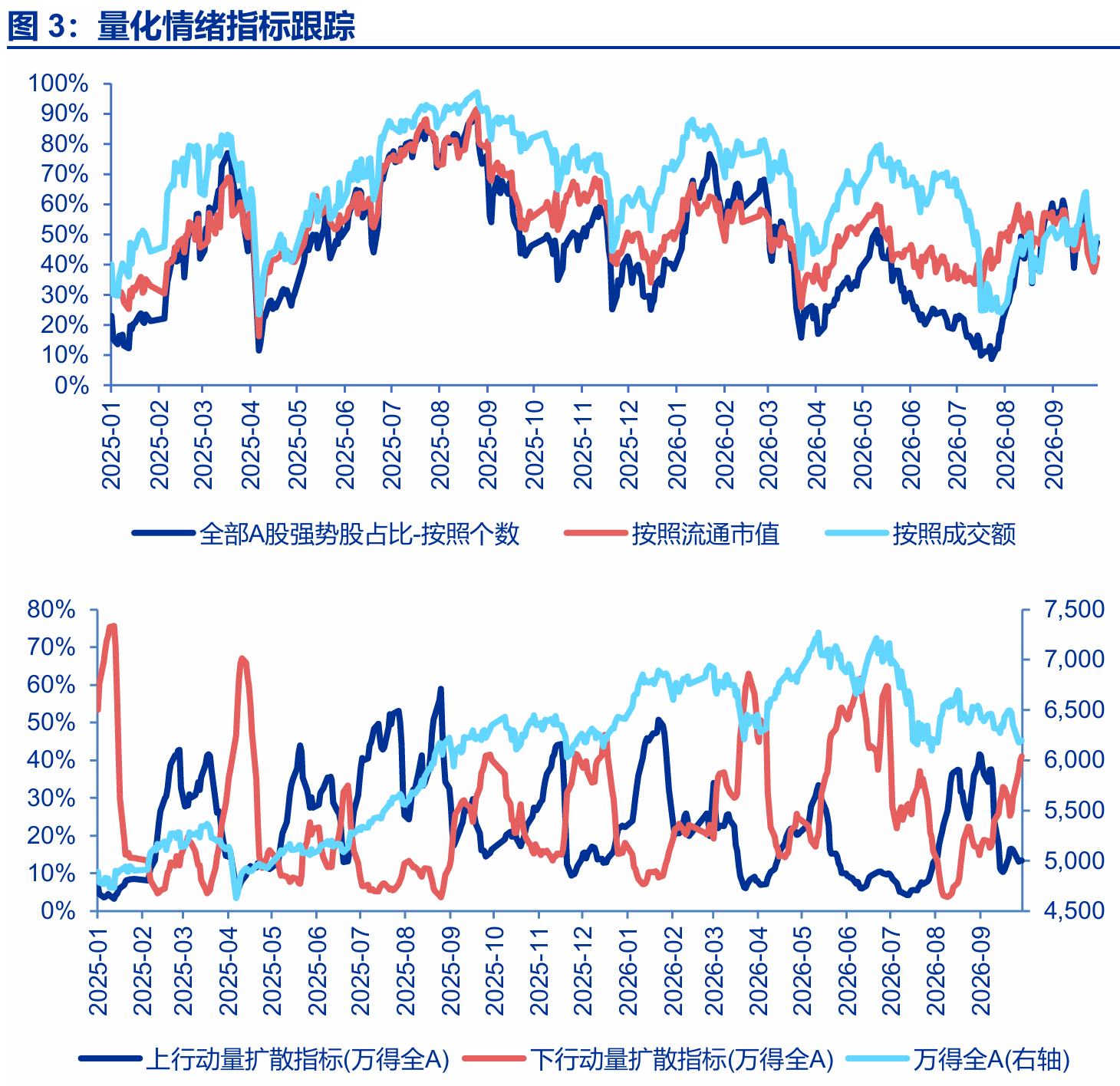
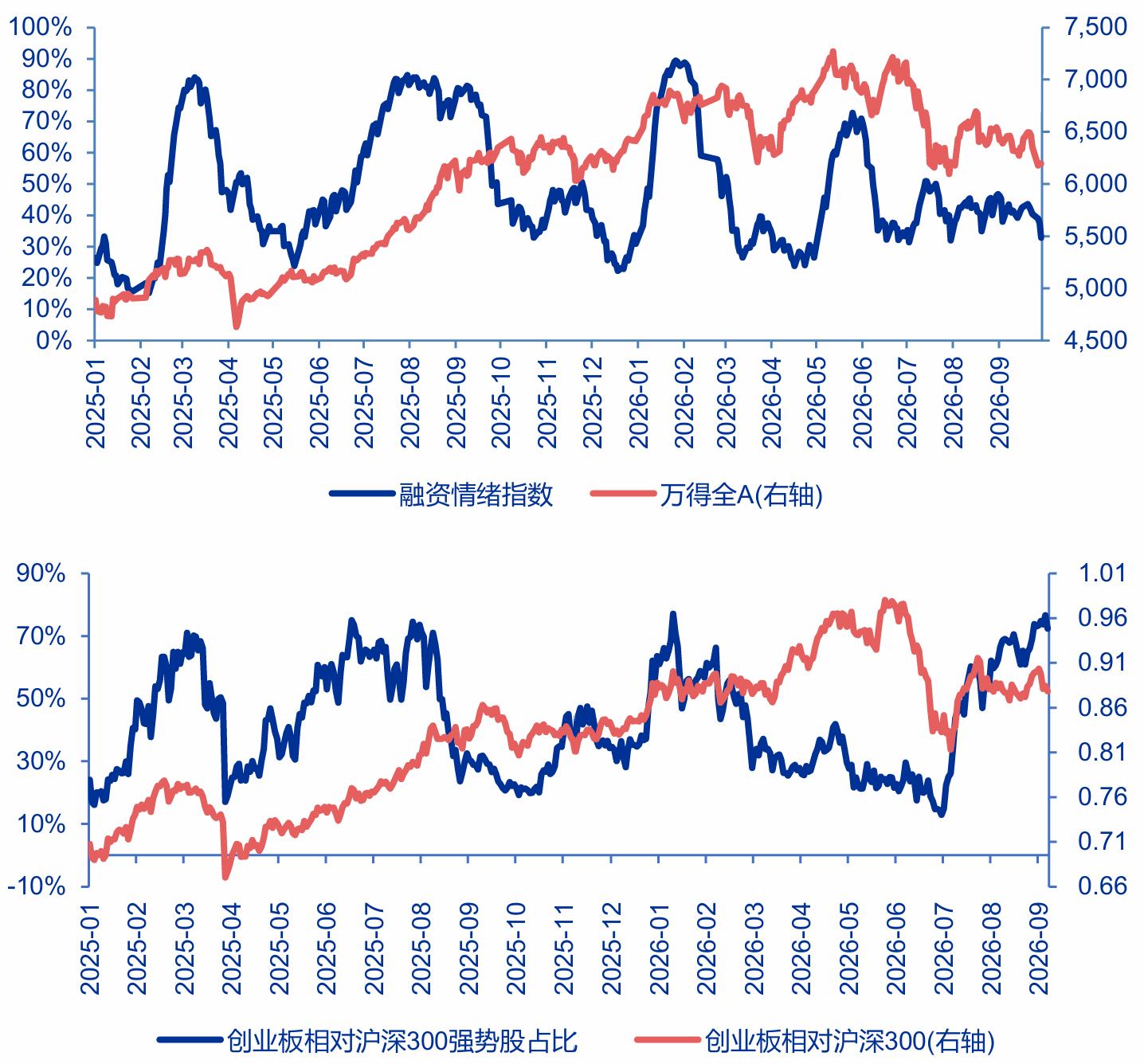
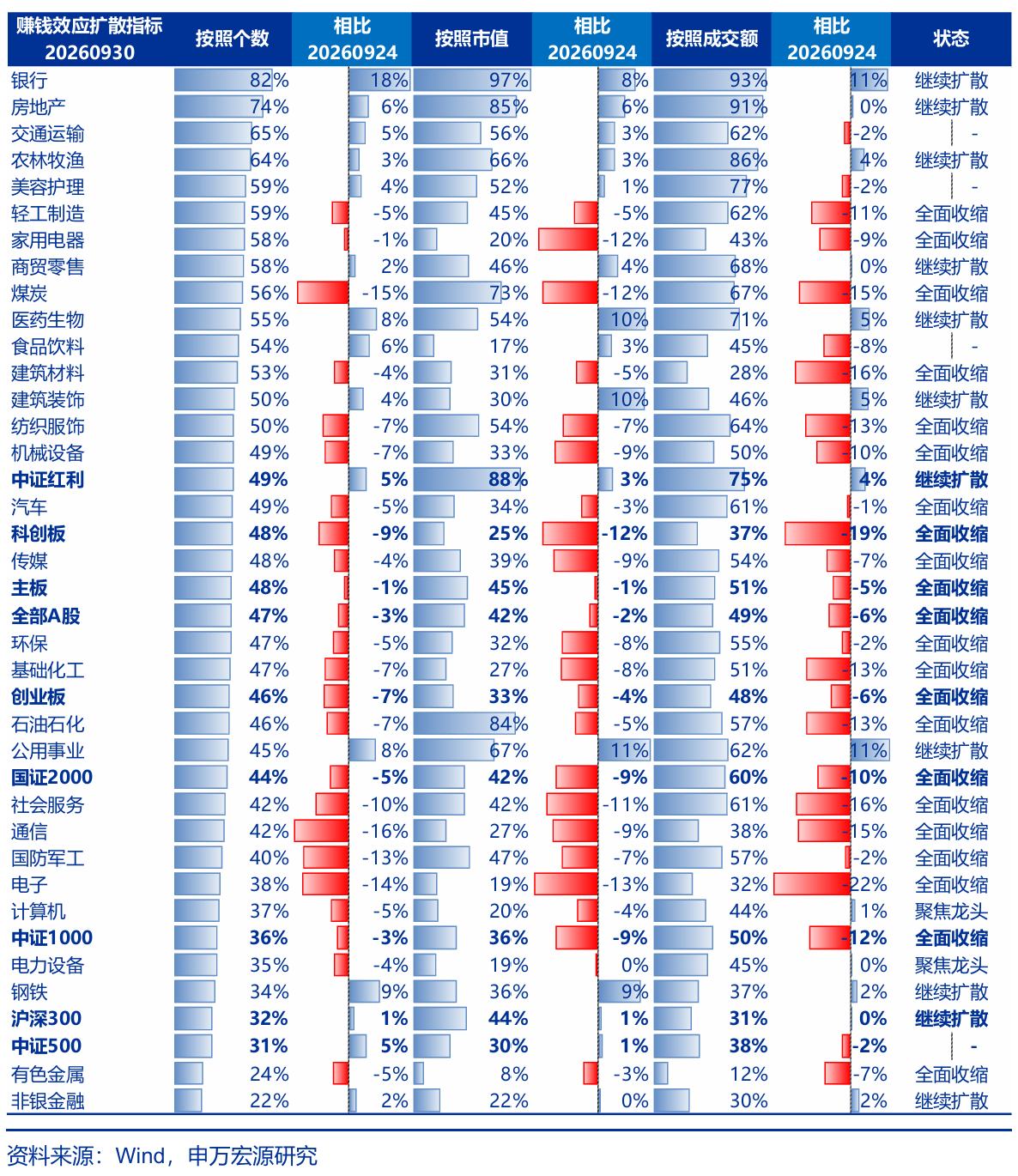
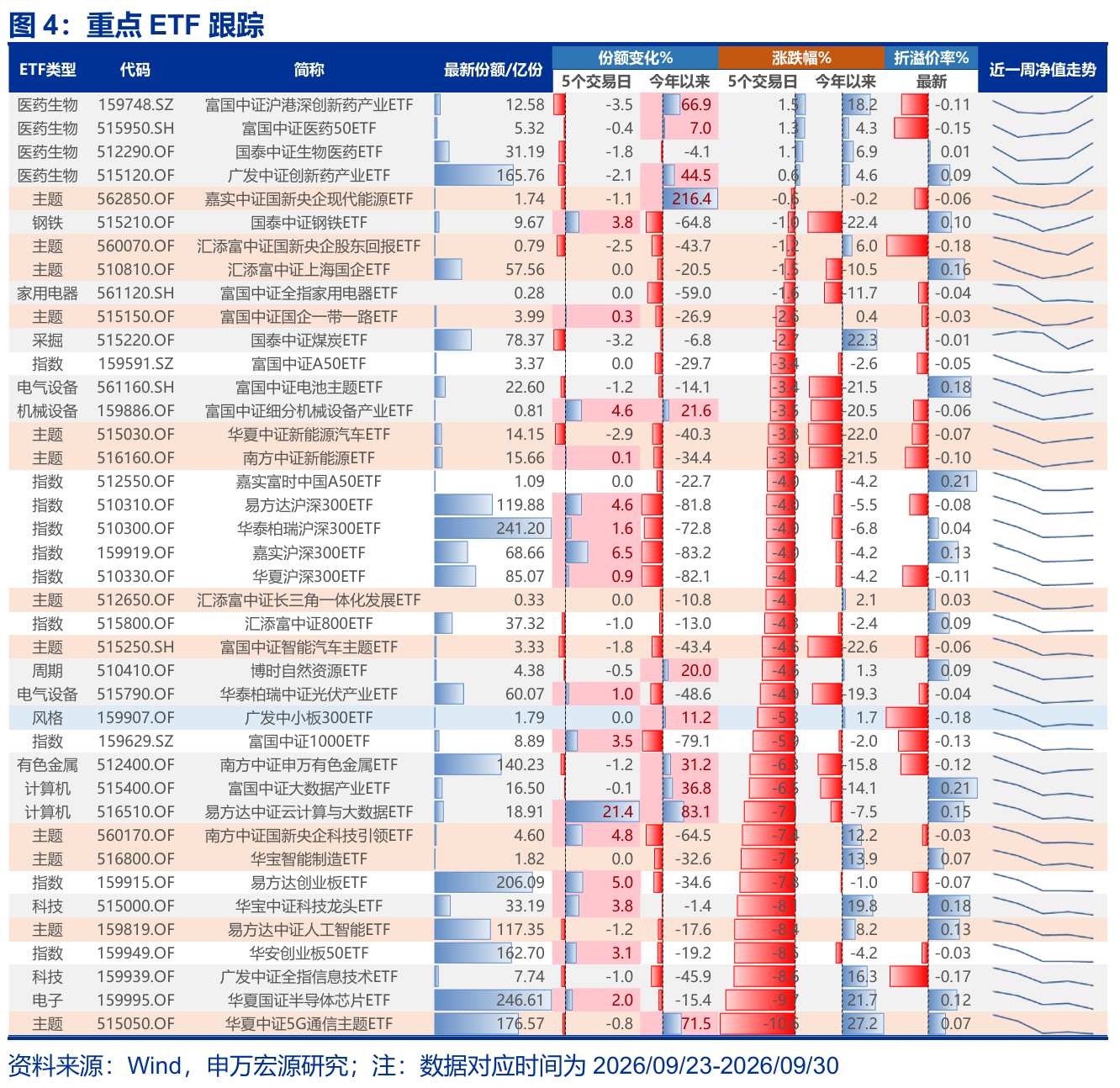
In the short term, after the market falls sharply, a small “red October” can be expected. In the short term, the share of strong electronics and communications stocks is already in the middle and low levels, and the downward movement in the market has spread significantly. The characteristics of a small level of excessive decline in the market are becoming more and more clear. Red October is one of the monthly calendar effects with the highest win rate in history. After an accelerated market adjustment at the end of September, it is now probable that the red October will be redeemed. However, until major breakthroughs are achieved in the global asset allocation environment and technology industry trends, the red October market may only be at a minor level.
3. The aesthetics of the current effective AI chain remains unchanged: 1. A few fundamentals are expected to surpass the direction of the end of June (CPO and a few new computing power inflation generated by GPT 6 catalysts, PCB industry chain favorable prices, etc.). 2. The 27-year boom continued to improve compared to 26 years, as verified by the three-quarter report at the end of October. After the performance is digested and assessed, it is likely to diverge and strengthen. The focus is on storage, high-end CCL, PCBs, and capacitors. 3. Focus on technological and non-technical thematic investments.
The time for non-technology to outperform has increased, and the time for high-dividend assets to have absolute returns has increased. In the direction of non-technology tracks, fluctuations also increased in the short term, but the medium-term focus direction remained the same: CXO, innovative pharmaceuticals, coal, shipping, precious metals, industrial metals, and basic chemicals. After the new sales regulations regulated the industry, real estate entered a period of solving problems left over from history and laying out incremental policies; combined with short-term real estate sales, there are highlights, and real estate is still an important source of excess income. High dividends and the tech circuit are the “seesaw effect,” focusing on banking, non-bank finance, food and beverage, and utilities. Until the market returns to strong leads, it is still possible to hold high dividends based on defense.
Risk warning: Overseas economic recession exceeded expectations, domestic economic recovery fell short of expectations