


- Yamaha Motor has started shifting its proprietary all-aluminum DiASil Cylinder production from virgin aluminum to recycled aluminum alloy, targeting completion around 2030 and an annual CO2 reduction of about 47,000 tons across its supply chain.
- This move directly links core engine components to Yamaha Motor's 2050 carbon neutrality goal, tying environmental commitments to materials sourcing and long-term manufacturing economics.
- We will now look at how this recycled aluminum pivot might reshape Yamaha Motor's broader investment narrative and long-term execution risks.
Scan the low carbon shift around Yamaha Motor by comparing it with hand-picked manufacturers aiming for lighter footprints and tighter balance sheets in our list of solid balance sheet and fundamentals (23 results).
Yamaha Motor Investment Narrative Recap
To own Yamaha Motor, you need to be comfortable with a cyclical manufacturer that is pushing premium products, reworking underperforming units like Outdoor Land Vehicle, and leaning into robotics and software. The shorter term swing factors still look operational. Recovery in Marine demand and smoother OLV execution matter more to the next few years than long dated carbon targets.
The recycled aluminum shift touches the raw material cost line but does not obviously change the main near term swing factor, which is whether higher input prices, recalls and restructuring noise stay contained. The bigger risk remains margin pressure from expensive materials, labor and a weaker Marine cycle rather than this specific sustainability move.
Recent commentary around the Outdoor Land Vehicle integration feels most connected to the DiASil recycling plan. Both focus on tightening Yamaha Motor’s manufacturing footprint and cost base across vehicles that share components and platforms. Lower CO2 intensity in core engine parts could help supply resilience if regulations or customer preferences lean harder into low carbon materials.
For catalysts, investors are still watching whether OLV and premium motorcycles can offset softer Marine demand and the weight of higher SG&A. Any sign that material usage changes, including recycled alloys, support more stable margins without heavy pricing moves would speak directly to that thesis. If not, earnings will stay more exposed to swings in commodity and FX lines.
Yamaha Motor's narrative projects ¥3,133.6b revenue and ¥195.4b earnings by 2029. This scenario assumes 4.4% yearly revenue growth and an earnings increase of about 2.5x from ¥76.9b today.
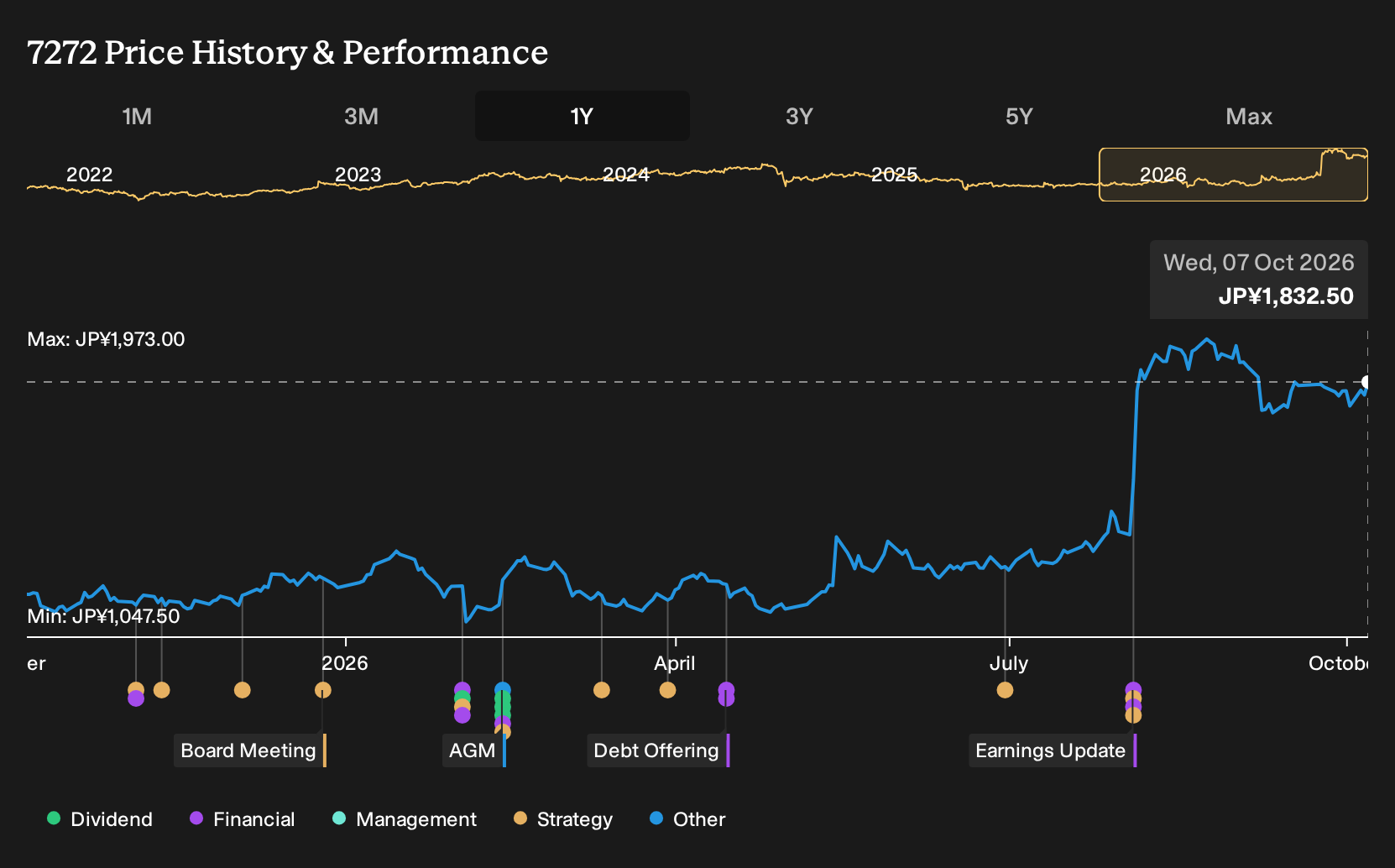
Uncover why Yamaha Motor's fair value indicates a 5% potential downside to its current price, which leaves little room for error.
Exploring Other Perspectives
One bullish twist on Yamaha Motor focuses less on recycled aluminum risk and more on earnings power. The most optimistic analysts were already pencilling in revenue of ¥3,444.5b and earnings of ¥251.3b by 2029. You can now ask whether this low carbon materials shift nudges those pre news expectations higher or forces a rethink.
Explore 2 other Yamaha Motor fair value estimates, including one that suggests there may be as much as 15% potential upside from the current price.
Decide For Yourself
Don't just follow the ticker. Dig into the data and build a conviction that's truly your own.
- A great starting point for your Yamaha Motor research is our analysis highlighting 2 key rewards and 3 important warning signs that could impact your investment decision.
- See our latest analysis for Yamaha Motor. The report includes a comprehensive fundamental analysis summarized in a single visual, the Snowflake, making it easy to evaluate Yamaha Motor's overall financial health at a glance.
Looking For More Investment Ideas Beyond Yamaha Motor?
If the Yamaha Motor story has you thinking about portfolio balance, it can help to line it up against other businesses with different risk and return profiles using the Simply Wall St Screener.
- For investors hunting for steadier profiles, start with 22 resilient stocks with low risk scores that pair resilient financials with lower risk scores.
- If value is your main filter, scan a 15 high quality undervalued stocks that blend solid balance sheets with meaningful upside potential based on fundamentals.
- Income focused investors can look for steady cash returns through a 22 dividend fortresses that combine 5%+ yields with robust financial strength.
This article by Simply Wall St is general in nature. We provide commentary based on historical data and analyst forecasts only using an unbiased methodology and our articles are not intended to be financial advice. It does not constitute a recommendation to buy or sell any stock, and does not take account of your objectives, or your financial situation. We aim to bring you long-term focused analysis driven by fundamental data. Note that our analysis may not factor in the latest price-sensitive company announcements or qualitative material. Simply Wall St has no position in any stocks mentioned.
Have feedback on this article? Concerned about the content? Get in touch with us directly. Alternatively, email editorial-team@simplywallst.com