


Kestra Medical Technologies (KMTS) drew fresh attention after its recent trading session, with the stock closing at US$27.10, as investors weighed ongoing losses against double digit annual revenue and net income growth rates.
Recent trading in Kestra Medical Technologies has been choppy, with the share price down 4.4% over the last session and 4.2% over the week. The stock is still showing an 11.1% year to date share price return and a 12.9% total shareholder return over twelve months, which points to momentum that has cooled in the short term while longer term sentiment remains positive.
Compare Kestra Medical Technologies with a curated group of resilient healthcare stocks using the 31 resilient stocks with low risk scores to see how other balance-sheet-focused opportunities stack up.
Kestra Medical Technologies now trades about 12% below the average analyst target, even as losses remain heavy. Is the market simply cautious about the risks, or pricing those risks sensibly?
Most Popular Narrative: 10% Undervalued
On the prevailing narrative, Kestra Medical Technologies screens as modestly undervalued, with a fair value of $30 against a last close of $27.10, and that gap hinges on whether its cardiac wearables story translates into a much larger, more profitable rental base over time.
This narrative expects Kestra Medical Technologies to widen its share of an underused U.S. wearable cardioverter defibrillator market and to translate more prescriptions into higher revenue per fit. The expectation is that improved payer coverage, a larger sales footprint and platform upgrades help the company work toward better gross margins and narrower losses.
See why 1 investors see Kestra Medical Technologies as 10% undervalued.
Result: Fair Value of $30 (UNDERVALUED)
Still, the narrative around Kestra Medical Technologies hinges on revenue growth meeting ambitious analyst assumptions and on sizeable net losses narrowing from current levels.
Find out about the key risks to this Kestra Medical Technologies narrative.
Another View On Kestra Medical Technologies
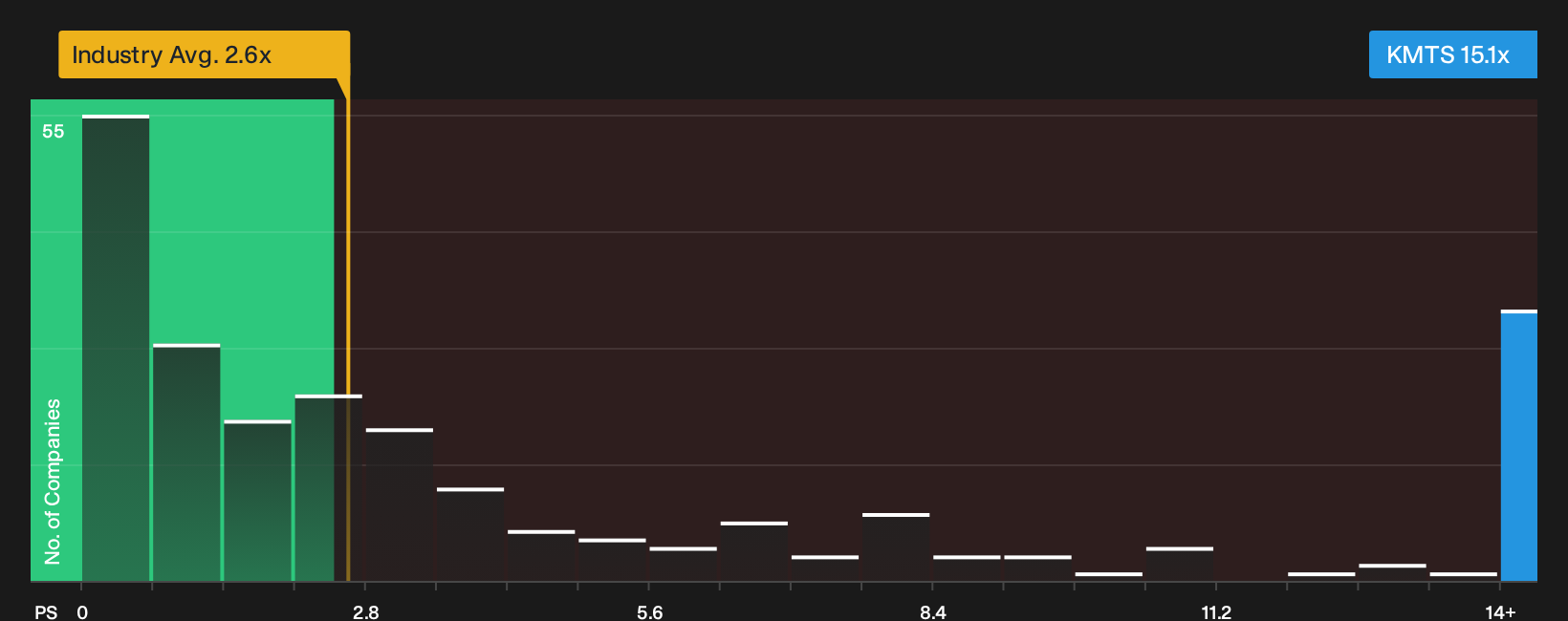
There is a catch. On a simple P/S lens, Kestra Medical Technologies looks expensive, trading at about 15.1x sales against both a 3.2x peer average and a 2.6x broader US Medical Equipment mark, while the fair ratio sits closer to 4.2x. That gap points to valuation risk if expectations ease even slightly. Are you comfortable paying that kind of premium for a loss making healthcare stock?
See what the numbers say about this price in our valuation breakdown through the See what the numbers say about this price — find out in our valuation breakdown..
For a clearer visual of how the current valuation stacks up against sector norms, review the latest price to sales comparison in
Next Steps
Sentiment around Kestra Medical Technologies is mixed, which is exactly why you should look through the numbers yourself and move quickly to form an independent view using the 1 key reward and 3 important warning signs.
Looking for more investment ideas beyond Kestra Medical Technologies?
If Kestra Medical Technologies has you thinking harder about risk, reward, and valuation, do not stop here. Broader opportunities across the market can sharpen your next move.
- Target stronger income potential by reviewing companies built around reliable payouts with the 8 dividend fortresses.
- Hunt for quality at a discount by scanning companies that combine solid fundamentals with attractive pricing in the 27 high quality undervalued stocks.
- Zero in on financially robust businesses by comparing candidates with clean balance sheets using the list of solid balance sheet and fundamentals (25 results).
This article by Simply Wall St is general in nature. We provide commentary based on historical data and analyst forecasts only using an unbiased methodology and our articles are not intended to be financial advice. It does not constitute a recommendation to buy or sell any stock, and does not take account of your objectives, or your financial situation. We aim to bring you long-term focused analysis driven by fundamental data. Note that our analysis may not factor in the latest price-sensitive company announcements or qualitative material. Simply Wall St has no position in any stocks mentioned.
Have feedback on this article? Concerned about the content? Get in touch with us directly. Alternatively, email editorial-team@simplywallst.com