


The Zhitong Finance App learned that according to people familiar with the matter, Saudi Arabia is in negotiations with crude oil buyers and plans to complete crude oil shipments outside the Strait of Hormuz starting next year and include it in long-term supply contracts. This transit model was put into use during the Iran conflict, and now Saudi Arabia wants to normalize it to compete for greater market share.
People familiar with the matter said that the relevant negotiations are still in progress and need to be settled before the end of this year. If the plan is approved, Saudi crude oil will face major adjustments to its external payment model, as deliveries under long-term contracts account for the vast majority of Saudi supply.
The war in Iran, which has been going on for eight months, disrupted traditional crude oil shipping routes, and shipping in the Strait of Hormuz was seriously disrupted. Major oil exporters in the Gulf have had to adjust their operating methods to guarantee customer supply. As the competition for buyers intensifies, the Strait of Hormuz transit model has become a key mechanism to guarantee market supply: sellers bear the risk of strait navigation and transfer crude oil to other tankers outside the strait.
According to the person familiar with the matter, Saudi Aramco is still discussing other adjustments, including the option of providing pricing benchmarks and even shipping goods directly to Asian customers. A final decision has yet to be made, and details including pricing, shipping costs and the amount of fuel that can be supplied are still being discussed.
Saudi Aramco and the Saudi Ministry of Energy did not respond to requests for comment on the negotiations.
According to information, before the conflict broke out, Saudi Aramco's core Asian customers arranged their own oil tankers to go deep into the Rastanoura export terminal in the hinterland of the Persian Gulf to pick up the goods. The Saudi side was generally not responsible for shipping arrangements.
However, after the conflict broke out, some shipowners were unwilling to sail into the Strait of Hormuz. Even with sufficient crude oil supplies, it is difficult for buyers to rent tankers at a reasonable cost. In this context, the United Arab Emirates, Saudi Arabia, Kuwait, and Iraq used the Strait of Hormuz transit program to complete crude oil delivery via ship-to-ship transit outside the strait.
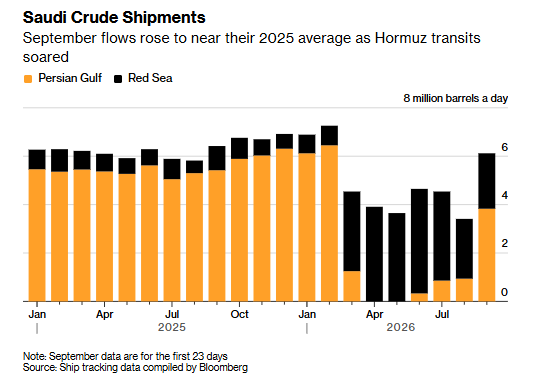
People familiar with the matter said that Saudi Aramco has supplied the three main crude oil grades through this transit mechanism: Arabian light oil, medium oil, and heavy oil.
Another source revealed that recently Saudi Aramco has allowed some buyers to carry out ship-to-ship crude oil transfers off the coast of India. For customers who are unable to travel to the Gulf of Oman due to safety concerns, this is a relatively safe alternative, while also relieving congestion pressure at Arabian Peninsula ports.
People familiar with the matter said that Saudi Aramco is still studying shipping arrangements to try to supply more crude oil directly to customers. In addition to ensuring smooth exports, this type of plan also allows Saudi Aramco to share some of the benefits brought about by the sharp rise in oil tanker rents in the Strait of Hormuz.
According to the news, some Asian buyers are negotiating with Saudi Aramco to purchase crude oil on long-term contracts or switch to Brent futures pricing to replace the current benchmark oil prices in Dubai and Oman. This also means that the Gulf oil producer will have more flexibility in pricing.