


Visa has delivered strong share returns in recent years, which puts fresh attention on a simple question for anyone looking at the stock today. Is the current price supported by the returns the business earns on the capital it deploys into its payments network and new initiatives?
- Over the past 5 years, Visa has returned 75.7%, which raises the stakes on whether those gains are aligned with the returns the company can keep earning on its invested capital.
- Regulatory approval to prepare a domestic bankcard clearing business in China, together with growing involvement in stablecoin and crypto linked payments, can influence expectations for how much capital Visa will need to commit and what it might earn on that investment over time.
- What if you looked at Visa through its earnings instead? See why Visa's 32.1x P/E tells a different valuation story.
The stock's next move may depend on whether the returns Visa earns on its capital are strong enough to underpin the price after this run.
If you want to explore the same question about returns on capital beyond Visa, you can scan a wider field of stocks using the 32 high quality undervalued stocks.
Is Visa Fairly Priced on Excess Returns?
The Excess Returns model looks at how much profit Visa can earn above its cost of equity on each dollar of shareholder capital. For Visa, the inputs show a relatively low Book Value of $18.87 per share and a Stable Book Value estimate of $22.36 per share, paired with a Stable EPS figure of $16.68 per share. That earnings estimate comes from weighted future Return on Equity views from 9 analysts, with the model using an Average Return on Equity of 74.61% and a Cost of Equity of $1.65 per share.
This creates an estimated Excess Return of $15.04 per share, which is what the framework tests against the current trading price of $391.43. The projections indicate that Visa can continue to earn well above its equity charge on a relatively modest capital base. As a result, the Excess Returns outcome leaves the estimated intrinsic value broadly in line with where the shares change hands today. Recent approval to prepare a domestic bankcard clearing business in China gives more places to deploy that capital, which may help explain why the market already prices the stock close to what the Excess Returns model supports. Find out what Visa could be worth using our Excess Returns estimate.
The Visa Narrative: What Would Justify Today's Price?
Narratives pick up where the excess returns puzzle leaves off for Visa. They explain which paths for growth, margins and earnings would need to occur for the stock to appear meaningfully higher or lower than today’s price. They also set out the assumptions behind each implied fair value so you can track those against Visa’s reported results as they are published on Simply Wall St’s Community page.
Visa attracts two different readings from the community, with one camp seeing more upside in the story than the other.
Bull case: 7% undervalued
"Rapidly accelerating adoption of value added services, now almost one third of Visa''s revenue and growing 34% year over year in the latest quarter, is increasing the mix of software like and data rich offerings that can support higher net margins and earnings..."
Discover why this Narrative puts Visa at 7% undervalued.
Bear case: roughly fairly valued
"To calculate the intrinsic value of the company I''ll use multiple methods, Discounted Cash Flows (DCF), EPS Growth, Historical P/E and Historical EV/EBITDA..."
Explore why this Narrative puts Visa at roughly fairly valued.
Visa’s price is only one piece of your decision
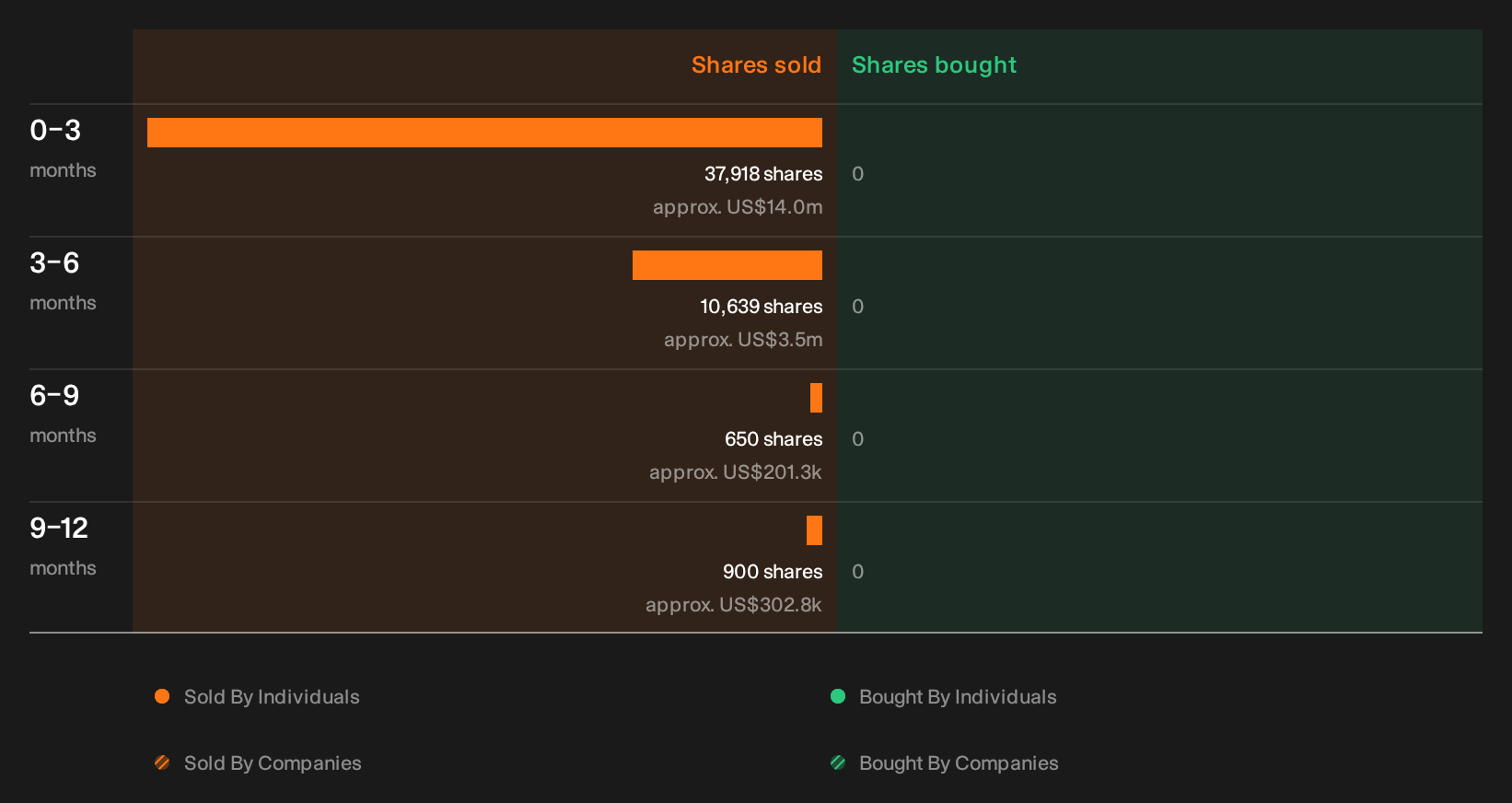
Before you decide how Visa fits into your portfolio, it is worth checking a quieter signal in the background, recent insider share sales that our checks have picked up. See the recent insider selling flagged for Visa.
This article by Simply Wall St is general in nature. We provide commentary based on historical data and analyst forecasts only using an unbiased methodology and our articles are not intended to be financial advice. It does not constitute a recommendation to buy or sell any stock, and does not take account of your objectives, or your financial situation. We aim to bring you long-term focused analysis driven by fundamental data. Note that our analysis may not factor in the latest price-sensitive company announcements or qualitative material. Simply Wall St has no position in any stocks mentioned.
Have feedback on this article? Concerned about the content? Get in touch with us directly. Alternatively, email editorial-team@simplywallst.com