


Insiders who bought US$237.1k worth of American Vanguard Corporation's (NYSE:AVD) stock at an average buy price of US$2.66 over the last year may be disappointed by the recent 27% decrease in the stock. This is not good as insiders invest based on expectations that their money will appreciate over time. However, as a result of recent losses, their original investment is now worth only US$111.3k.
While we would never suggest that investors should base their decisions solely on what the directors of a company have been doing, we would consider it foolish to ignore insider transactions altogether.
The Last 12 Months Of Insider Transactions At American Vanguard
The Independent Director Patrick Gottschalk made the biggest insider purchase in the last 12 months. That single transaction was for US$185k worth of shares at a price of US$2.95 each. So it's clear an insider wanted to buy, even at a higher price than the current share price (being US$1.25). While their view may have changed since the purchase was made, this does at least suggest they have had confidence in the company's future. We always take careful note of the price insiders pay when purchasing shares. As a general rule, we feel more positive about a stock if insiders have bought shares at above current prices, because that suggests they viewed the stock as good value, even at a higher price.
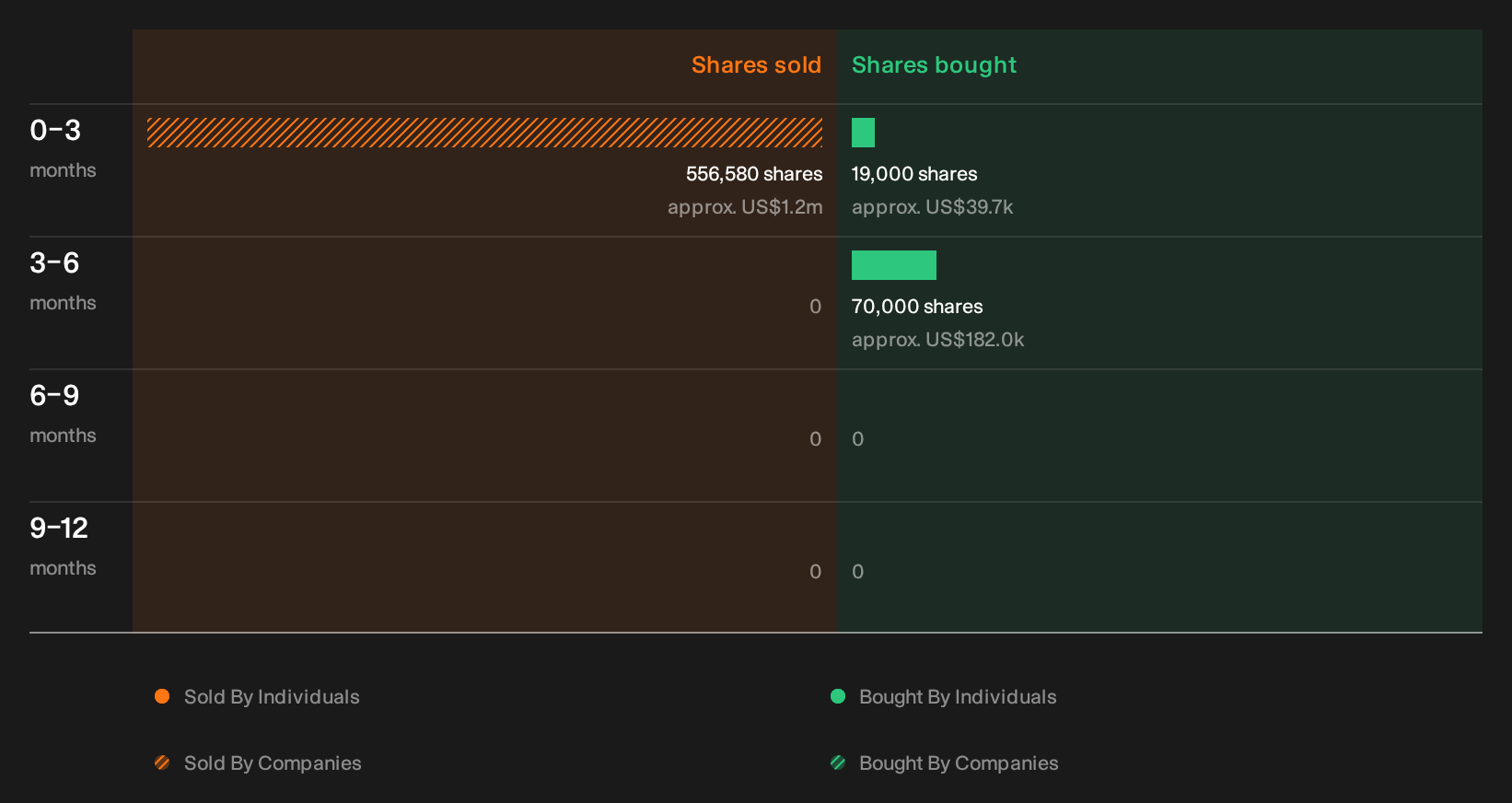
While American Vanguard insiders bought shares during the last year, they didn't sell. You can see a visual depiction of insider transactions (by companies and individuals) over the last 12 months, below. By clicking on the graph below, you can see the precise details of each insider transaction!
View our latest analysis for American Vanguard
There are always plenty of stocks that insiders are buying. If investing in lesser known companies is your style, you could take a look at this free list of companies. (Hint: insiders have been buying them).
Insiders At American Vanguard Have Bought Stock Recently
There was some insider buying at American Vanguard over the last quarter. Independent Director Steven Macicek shelled out US$40k for shares in that time. It's good to see the insider buying, as well as the lack of recent sellers. However, in this case the amount invested recently is quite small.
Insider Ownership
Another way to test the alignment between the leaders of a company and other shareholders is to look at how many shares they own. Usually, the higher the insider ownership, the more likely it is that insiders will be incentivised to build the company for the long term. Based on our data, American Vanguard insiders have about 3.4% of the stock, worth approximately US$1.1m. I generally like to see higher levels of ownership.
So What Does This Data Suggest About American Vanguard Insiders?
We note a that there has been a bit of insider buying recently (but no selling). That said, the purchases were not large. However, our analysis of transactions over the last year is heartening. While we have no worries about the insider transactions, we'd be more comfortable if they owned more American Vanguard stock. While it's good to be aware of what's going on with the insider's ownership and transactions, we make sure to also consider what risks are facing a stock before making any investment decision. To help with this, we've discovered 3 warning signs (2 are concerning!) that you ought to be aware of before buying any shares in American Vanguard.
If you would prefer to check out another company -- one with potentially superior financials -- then do not miss this free list of interesting companies, that have HIGH return on equity and low debt.
For the purposes of this article, insiders are those individuals who report their transactions to the relevant regulatory body. We currently account for open market transactions and private dispositions of direct interests only, but not derivative transactions or indirect interests.
Have feedback on this article? Concerned about the content? Get in touch with us directly. Alternatively, email editorial-team (at) simplywallst.com.
This article by Simply Wall St is general in nature. We provide commentary based on historical data and analyst forecasts only using an unbiased methodology and our articles are not intended to be financial advice. It does not constitute a recommendation to buy or sell any stock, and does not take account of your objectives, or your financial situation. We aim to bring you long-term focused analysis driven by fundamental data. Note that our analysis may not factor in the latest price-sensitive company announcements or qualitative material. Simply Wall St has no position in any stocks mentioned.