


Japanese inflation finally moving above the Bank of Japan’s 2% target has turned sleepy domestic rates into a live wire, and that shift is rippling through everything from mortgages to multi billion yen balance sheets. Investors who ignore this could miss where higher yields quietly reshape returns and where they may squeeze. This article walks through three Japanese financial stocks exposed to that rate story and explains why their responses to it deserve attention now.
The three stocks below are just a sample. The full screen surfaced 8 more large, financially healthy Japanese banks and insurers with equally compelling rate exposure stories that are not covered here. To identify and analyze the highest conviction ways to play rising domestic yields, head straight to the Japanese Banks and Insurers Benefiting from Rising Domestic Interest Rates screener.
Gunma Bank (TSE:8334)
Overview: Gunma Bank is a Japan-focused regional lender that earns most of its money from traditional loans, deposits and securities investments.
Operations: The bank generates about ¥228.7 billion from banking and ¥37.0 billion from leasing, with virtually all reported revenue of ¥199.3 billion coming from Japan.
Market Cap: ¥969.6 billion
Gunma Bank is closely linked to the Bank of Japan rate story, with core earnings tied to loan spreads and securities income inside Japan. Rising domestic rates and a steeper yield curve can support that income stream. However, any unexpected pressure on funding costs and credit quality could significantly influence how much of the benefit reaches shareholders.
That trade off sits at the center of Gunma Bank’s rate story, so check the 4 key rewards and 1 important warning sign to see what the market might be missing.
Sumitomo Mitsui Financial Group (TSE:8316)
Overview: Sumitomo Mitsui Financial Group is a major Japanese banking group that runs large domestic lending, securities, and consumer finance operations closely tied to interest rates.
Operations: Sumitomo Mitsui Financial Group generates about ¥1.63t from the Retail Business Unit, ¥1.58t from the Global Business Unit, ¥1.35t from Wholesale, and ¥0.77t from Global Markets.
Market Cap: ¥24.0t
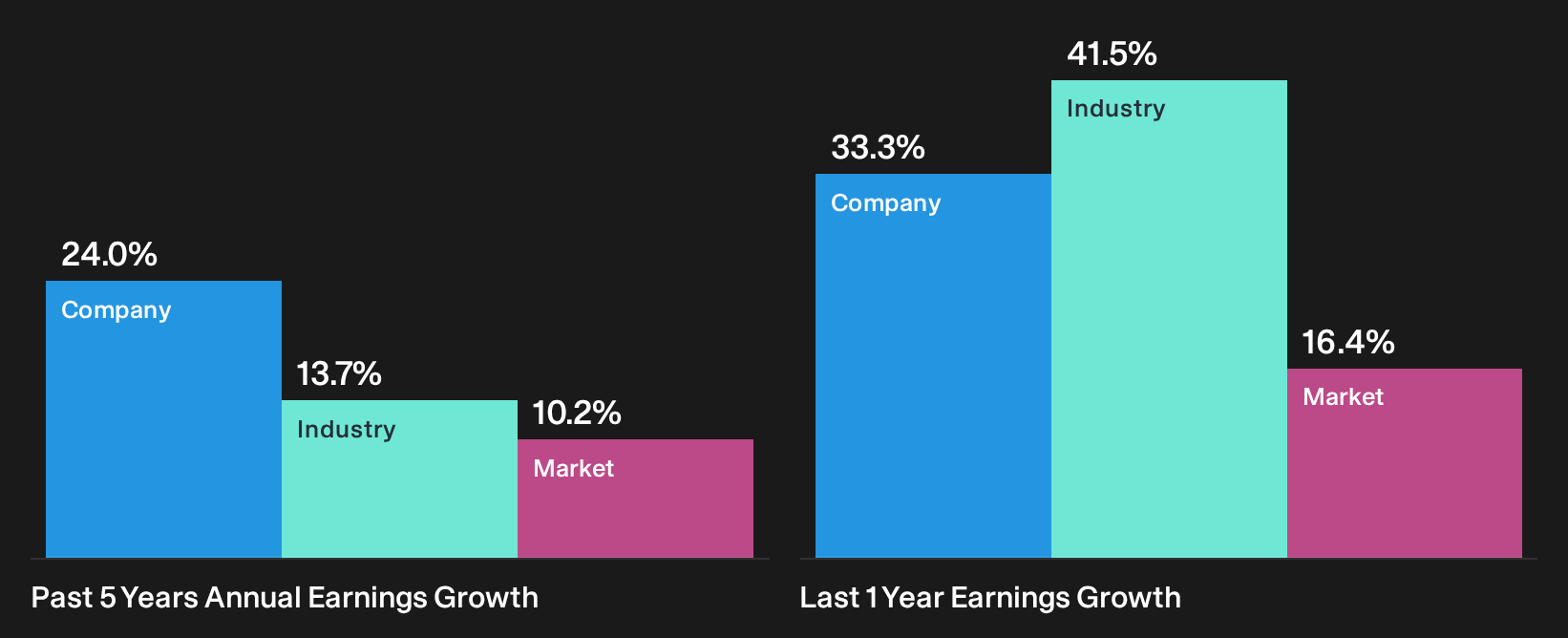
Sumitomo Mitsui Financial Group sits right in the sweet spot of this screener theme, with a large domestic loan and securities book that can be very sensitive to higher Japanese rates and a steeper yield curve. Recent results show net interest income and net income alongside a long dividend track record. However, how one less visible pressure on credit quality ultimately feeds through will matter to investors watching this rate story.
That credit pressure is exactly why the 4 key rewards and 1 important warning sign could be so useful for spotting where Sumitomo Mitsui Financial Group’s rate upside might be quietly capped or accelerating.

Hachijuni Nagano Bank (TSE:8359)
Overview: Hachijuni Nagano Bank is a Japan based regional lender serving individuals and businesses with loans, deposits, cards, insurance and related financial services.
Operations: The bank earns about ¥279.9 billion from banking and ¥41.2 billion from leasing, with reported revenue of ¥266.3 billion coming from Japan.
Market Cap: ¥1.1 trillion
Hachijuni Nagano Bank is closely linked to rising Japanese interest rates, since it runs a traditional loan and deposit franchise that can benefit when net interest margins widen. Strong recent net interest income and net income figures illustrate how higher domestic yields can feed into profits for a regional lender with this profile. The real test arrives if one currently quiet pressure on returns begins to move in the opposite direction.
If that pressure starts to bite for Hachijuni Nagano Bank, the 2 key rewards and 2 important warning signs shows where rate upside could be accelerating or quietly fading.

Seeking Alternatives Before Momentum Flies
Markets move fast, and the next breakout list rarely stays under the radar for long. Scan fresh ideas before momentum gets fully priced in and consider reviewing them promptly.
- Identify cash generative companies before momentum traders pile in by scanning the 14 high quality undervalued stocks curated for durable business quality and mispriced fundamentals.
- Follow developments in computing breakthroughs by tracking the 25 quantum computing stocks focused on businesses working at the edge of real world quantum adoption.
- Explore resilient income streams while yields still look appealing through the 29 dividend fortresses built around higher yielding payouts with robust underlying businesses.
Have feedback on this article? Concerned about the content? Get in touch with us directly. Alternatively, email editorial-team@simplywallst.com