


Asian LNG trade is quietly rewiring global gas flows as Canadian export projects like LNG Canada Phase 2, Cedar LNG and Woodfibre take shape, and that shift runs straight through the balance sheets of importers and shippers across the region. If you care about where long-haul energy money could be won or missed over the next decade, you want to know who is most exposed to this new supply route. This article walks through three stocks from our Asian LNG Import & Shipping Beneficiaries screener that sit closest to the story, and explains how the same catalyst can create very different risk and reward profiles for each one.
The three stocks discussed next are just a sample from this theme, and the full screen surfaced 19 more companies across Asian LNG import, regasification, storage, FSRU and shipping activities with equally compelling narratives that are not covered here. To go deeper, identify your own angles and analyze which LNG plays line up best with your risk tolerance and thesis, head straight into the Asian LNG Import & Shipping Beneficiaries screener.
Osaka Gas (TSE:9532)
Overview: Osaka Gas is a Japanese energy utility that imports LNG, regasifies it, and supplies city gas and electricity across multiple markets.
Operations: The group generates most of its ¥1.64 trillion Domestic Energy revenue from city gas and LNG related activities, with ¥329 billion from Life & Business Solutions and ¥144 billion from International Energy.
Market Cap: ¥2.20 trillion
Osaka Gas sits close to the LNG import story in this screener, with city gas, LNG sales and power generation all linked to long term supply contracts. Canadian LNG projects with shorter routes to Japan could matter if they help reduce delivered costs or improve contract terms. Investor interest focuses on how that filters through to margins in a fuel intensive portfolio, depending on how one unseen pressure plays out.
If that pressure point is what you care about, go straight to the DCF valuation analysis for Osaka Gas to see how LNG contract economics could reshape Osaka Gas margins.
ENN Natural Gas (SHSE:600803)
Overview: ENN Natural Gas is a large Chinese gas distributor that runs city gas networks and LNG receiving terminals serving households and industry.
Market Cap: CN¥61.7b
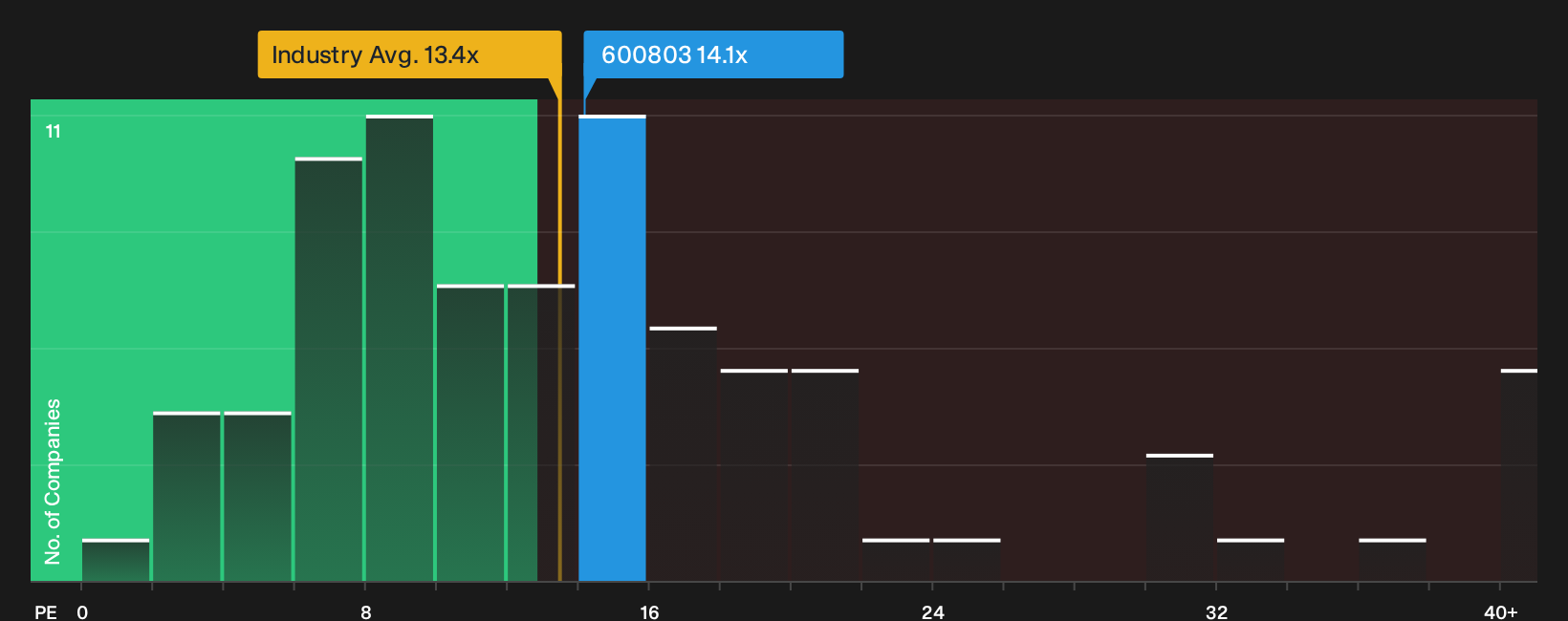
ENN Natural Gas links directly into the Asian LNG Import & Shipping Beneficiaries theme through its LNG receiving terminals and vast downstream network across China. The stock trades on a P/E of 14.1x with forecast earnings growth of 15.5% and a projected ROE lift to about 22%. This raises one unresolved question regarding how future LNG contract terms may affect its profit margins.
Those contract terms are the hinge, and the analysis report for ENN Natural Gas shows how ENN Natural Gas earnings forecasts and LNG exposure could be pulling in different directions.
Nippon Yusen Kabushiki Kaisha (TSE:9101)
Overview: Nippon Yusen Kabushiki Kaisha is a global shipping and logistics group that moves containers, vehicles, bulk cargo and energy products including LNG.
Operations: Nippon Yusen Kabushiki Kaisha generates revenue mainly from Logistics at ¥890.7b, Dry Bulk at ¥590.1b, Automotive at ¥543.2b and Energy at ¥255.7b.
Market Cap: ¥2.93t
Nippon Yusen Kabushiki Kaisha matters for this LNG-focused theme because it connects new Canadian export flows to Asian buyers through its energy transport and wider ocean network. As a result, changes in long distance gas trade show up directly in ship utilization, contract structure and capital allocation.
"The enlarged ¥1.6b midterm investment plan and targeted FY2026 investment cash outflow of about ¥760b to ¥900b highlight a pipeline of LNG carrier projects and alternative fuel vessels that could add contracted revenue and capital-based earnings over time."
What happens to those LNG focused returns depends on how one unseen pressure shapes contract quality, fleet costs and long term margins.
That hinge is exactly what the full narrative for Nippon Yusen Kabushiki Kaisha unpacks, showing where Nippon Yusen Kabushiki Kaisha’s LNG plans could accelerate returns or mask brewing risks.

Seeking Alternatives Before The Crowd?
Fresh themes move fast and early breakout momentum rarely waits. Catch stocks that are still under the radar for now and consider positioning yourself before sentiment changes. Act now.
- Target resilient cash flow by scanning a curated list of solid balance sheet and fundamentals (22 results) that lets you focus on businesses where financial strength supports staying power when conditions change.
- Consider the next phase of AI momentum by filtering through 55 AI infrastructure stocks and track infrastructure players supporting the heavy lifting behind data centers before broader attention develops.
- Explore income ideas with a hand picked 29 dividend fortresses that concentrates on higher yielding payers while yields remain elevated and broader markets stay focused elsewhere.
Have feedback on this article? Concerned about the content? Get in touch with us directly. Alternatively, email editorial-team@simplywallst.com