


Energy costs in Europe are biting hard, with the EU’s oil import bill running €10b per month higher than in 2025. When fossil fuel prices stay expensive, investors often start looking harder at alternatives that can reduce exposure to that volatility. Hydrogen fuel cell technology stocks sit squarely in that conversation. This article walks through three hydrogen fuel cell opportunities from the screener that may be worth a closer look.
The three hydrogen fuel cell stocks in this article are only a starting sample, and the full screen surfaced 4 more companies with equally compelling narratives that are not covered here.
If you want to sort through the full field yourself, analyze trade offs, and identify your own high conviction angles, head straight to the Hydrogen Fuel Cell Technology screener.
Cummins (CMI)
Overview: Cummins develops and sells engines, generators, components and electrified power systems, including hydrogen fuel cell solutions for transport and stationary power.
Operations: Cummins generates about US$48.7b in revenue, led by Distribution at US$12.9b and Engine at US$11.0b, with strong sales in the United States at US$19.2b.
Market Cap: US$73.0b
Cummins matters for this hydrogen fuel cell screen because its Power Systems and electrified offerings tie established engine know-how directly into cleaner power technologies.
"The introduction of the HELM engine platforms with options for diesel, natural gas and hydrogen fuels can capture new markets and improve revenue and margins by offering flexible solutions for diverse customer needs, and Cummins now expects the 2027 on highway rollout to support margin positive pricing on new emissions compliant engines."
What happens to Cummins’ long term earnings profile if that cleaner power push reshapes where the most profitable demand actually comes from?
If that shift in profit pools is on your mind, go straight to the full narrative for Cummins to see how Cummins’ hydrogen push could reshape the whole earnings mix.

FuelCell Energy (FCEL)
Overview: FuelCell Energy designs, builds and services high temperature fuel cell power plants and electrolysis systems that supply clean electricity and hydrogen.
Operations: FuelCell Energy generates about US$154 million from fuel cell power plant production and research, mainly across South Korea and the United States.
Market Cap: US$974 million
FuelCell Energy matters in this hydrogen fuel cell screen because its core carbonate plants and electrolysis units directly supply cleaner on site power and hydrogen for utilities, industry and data centers.
"While FuelCell Energy is expanding its Torrington facility and targeting 500 megawatts of annualized production capacity by June 2028, current evidence that the company operated at only 37 megawatts in the latest quarter and booked US$17 million of charges on the Fit Energy agreement highlights a risk that added capacity is brought online faster than profitable demand materializes."
The real test for FuelCell Energy is whether one pressure point quietly reshapes how investors think about its future margins and growth.
That margin question is the real hinge, and the full narrative for FuelCell Energy lays out how capacity, contracts and technology could still translate into an accelerating earnings story.

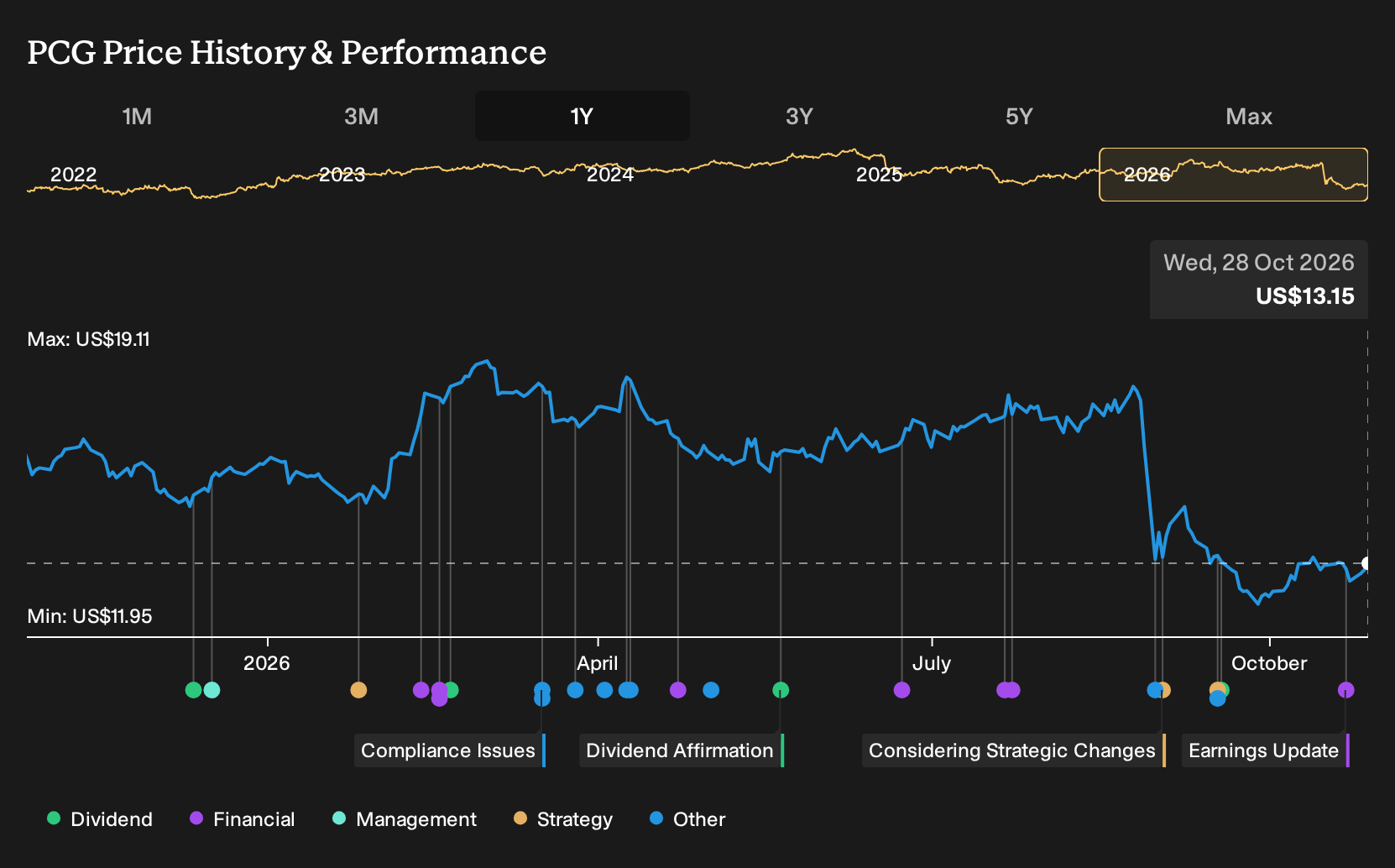
PG&E (PCG)
Overview: PG&E is a regulated utility that supplies electricity, natural gas and emerging hydrogen-ready infrastructure to customers across California.
Operations: PG&E generates about US$25.8b from selling and delivering electricity and natural gas to customers in the United States.
Market Cap: US$28.5b
PG&E matters for this hydrogen fuel cell screen because its hydrogen blending pilots and fuel cell microgrid projects link a traditional utility footprint to cleaner backup power and gas networks that could support hydrogen over time.
"While PG&E is pursuing continuous monitoring, high definition cameras and AI driven analytics to reduce wildfire risk, the utility still relies on pending California wildfire liability reform under SB 254."
What happens to PG&E’s hydrogen-focused investment plans if one unresolved policy decision quietly shifts the economics of its future capital program?
That risk hinge is exactly why the full narrative for PG&E digs into how wildfire exposure, regulation and hydrogen projects could be masking PG&E’s next leg of earnings power.
Seeking Alternatives Before The Crowd Moves
Fresh opportunities do not sit still. Breakout themes can gain momentum while prices remain under the radar for now. Before that edge is gone, consider researching potential ideas in advance.
- Identify resilient cash generators early and review the curated list of solid balance sheet and fundamentals (24 results) before the most attractive combinations of financial strength and value are widely recognized.
- Evaluate how AI momentum may translate into earnings and scan the curated list of 38 profitable AI stocks that aren't just burning cash before these cash-generating stories become more broadly followed.
- Research potential metal supply imbalances and review the hand-picked 33 best rare earth metal stocks while these critical resource opportunities remain relatively under followed.
Have feedback on this article? Concerned about the content? Get in touch with us directly. Alternatively, email editorial-team@simplywallst.com