


Social Security’s looming funding crunch has suddenly turned retirement planning from a background concern into a front-page risk. That kind of policy uncertainty can shuffle where capital flows, who saves more, and which retirement and asset management stocks feel the impact first. This article walks through three stocks from our US Tax-Advantaged Retirement & Asset Management screener that appear especially exposed to the latest debate and explains what that could mean for long-term portfolios.
The three stocks highlighted below are just a sample from this theme, and the full screen surfaced 35 more US retirement and asset management companies with equally compelling narratives that are not covered in this article. To identify your own highest conviction ideas, head straight into the US Tax-Advantaged Retirement & Asset Management Stocks screener.
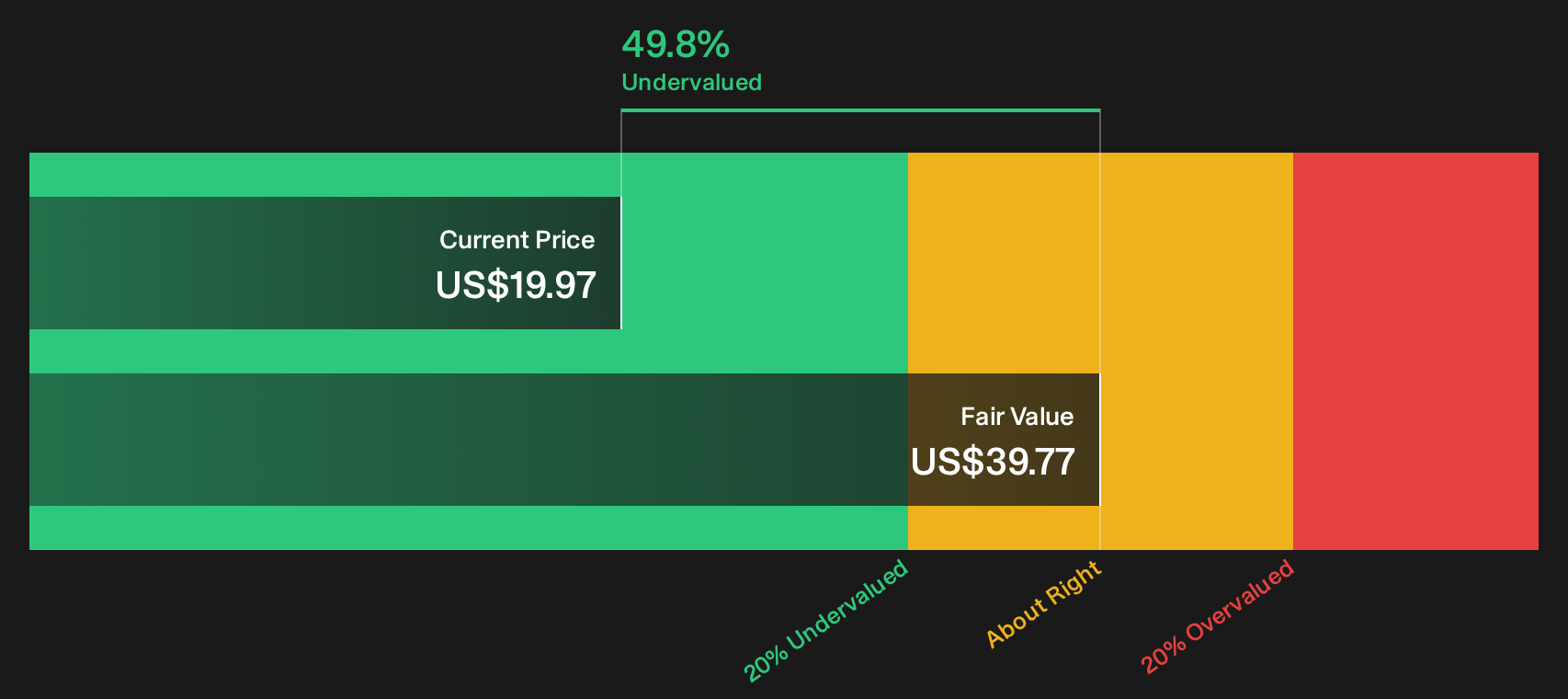
MarketWise (MKTW)
MarketWise runs a multi-brand content and technology platform for self-directed investors, a natural fit as more people manage their own retirement portfolios. The business generated about $318 million from internet information services and has a market value of roughly $318 million.
MarketWise plugs into the retirement theme by selling research, tools, and education to investors who want more control over long-term savings decisions rather than handing everything to a traditional adviser. That direct-to-investor model can look appealing, although future engagement and pricing power still hinge on how one unseen pressure plays out.
That pressure point is exactly what you can size up in the DCF valuation analysis for MarketWise to see how MarketWise’s pricing power and engagement assumptions compare across different scenarios
Ridgepost Capital (RPC)
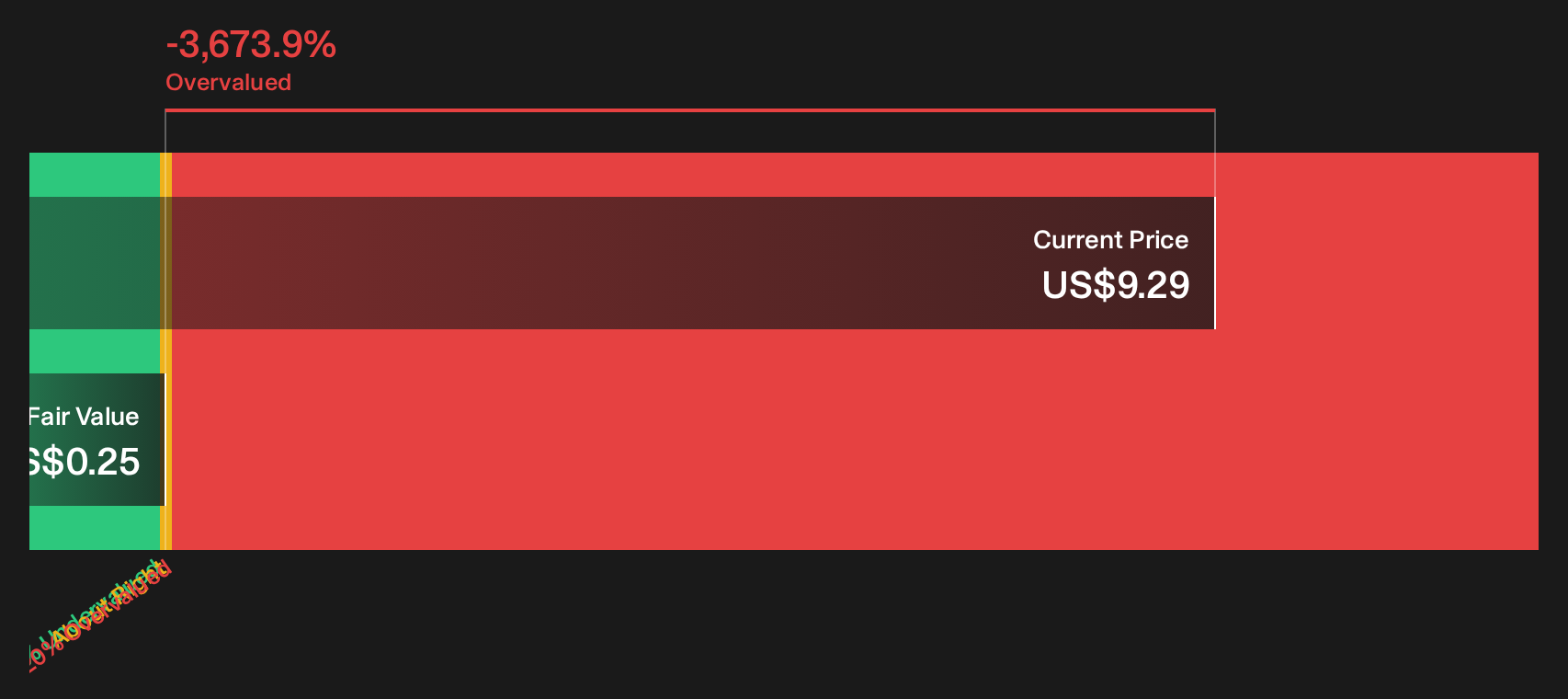
Ridgepost Capital runs a global alternative asset platform across private equity, venture capital, impact investing, and private credit, a toolkit institutions can use for diversified retirement allocations. It generated about $313 million from asset management and has a market value near $962 million.
Ridgepost Capital gives retirement-focused allocators access to private equity, venture and private credit strategies in one listed vehicle. This structure can appeal when institutions and high-net-worth investors rethink Social Security risk and seek broader income and growth engines. Interest grows or fades depending on how one unseen pressure shapes their appetite for illiquid alternatives.
That appetite question sits at the center of Ridgepost Capital’s story, and the 4 key rewards and 3 important warning signs (2 are major!) shows where enthusiasm for illiquid income engines could accelerate or stall.
Pershing Square (PS)
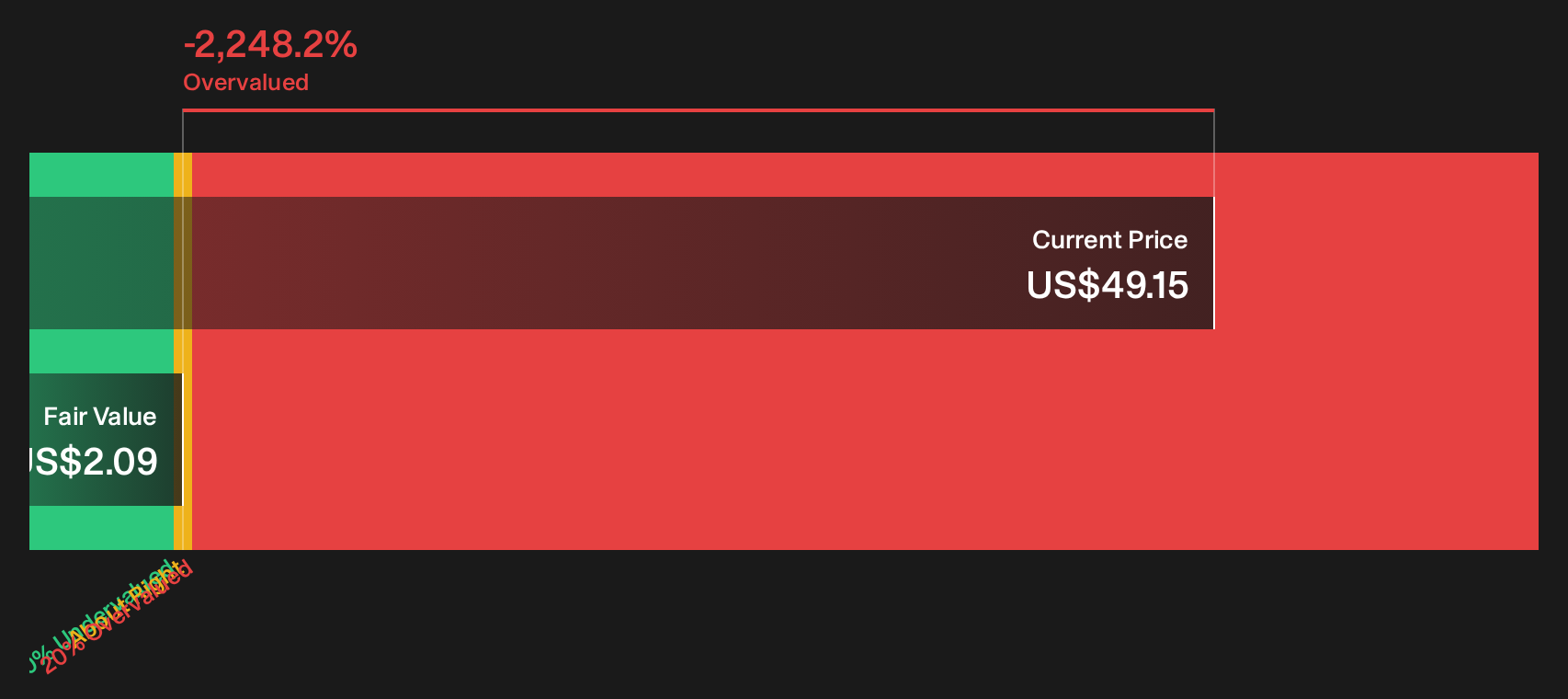
Pershing Square is an alternative asset manager that fits this retirement-focused theme because it runs long-horizon investment vehicles that can appeal to savers building private portfolios. The business produced about US$769 million from asset management and has a market value near US$19.4b.
For retirement-oriented investors looking beyond traditional mutual funds, Pershing Square offers concentrated exposure to large public companies through permanent capital vehicles that are designed for long time horizons and patient compounding.
"The planned use of modest investment grade leverage at both Pershing Square Inc. and Pershing Square U.S. at 15% to 20% of assets is intended to scale exposure to underlying holdings in a measured way. This approach can magnify fee related earnings if portfolio values grow while keeping interest costs contained as a share of revenue."
What matters most now is how a single assumption about future demand for these long-duration vehicles filters through to margins and fee growth.
That single demand swing is exactly what the full narrative for Pershing Square unpacks, revealing how Pershing Square’s leverage, fee engine, and risk controls could be decoupling from headline volatility.
Curious About Alternative Stock Paths?
Fresh opportunities can move from quiet to breakout quickly, and once momentum is flying, ideal entry points get caught and start dropping from view. Consider exploring these ideas.
- Spot income plays that can keep paying while prices whip around by scanning the 7 dividend fortresses before yields compress and the crowd chases them.
- Hunt for future infrastructure workhorses by reviewing the 41 power grid technology and infrastructure stocks while these grid and electrification specialists are still under the radar for now.
- Target potential AI backbone candidates by checking the 54 AI infrastructure stocks before additional capital flows in and re-rates the entire group.
Have feedback on this article? Concerned about the content? Get in touch with us directly. Alternatively, email editorial-team@simplywallst.com