


Bank First has delivered a strong run over the past few years, and that kind of track record naturally pushes investors to ask whether the current share price is still grounded in the returns the business earns on its capital. With recent earnings momentum and acquisition activity in the background, the central issue is how much of those economics are already captured in today's valuation.
- Over the last 5 years the stock has returned about 126.5%. That puts real weight on the question of whether its capital returns can support this kind of share price gain over time.
- Recent earnings strength, a larger asset base following completed and planned acquisitions, and a higher dividend can all influence how efficiently Bank First puts shareholder capital to work and how much value it can extract from that enlarged footprint.
- Prefer to judge Bank First on earnings? See why Bank First's 19.3x P/E tells a different valuation story.
The issue now is whether the returns Bank First earns on its capital are strong and durable enough to justify where the stock trades today.
If you want a reference point for Bank First's capital returns theme, it can help to line it up against 34 high quality undervalued stocks.
Where Does Bank First Sit on Excess Returns?
The Excess Returns model looks at how much profit Bank First can earn above its cost of equity on each dollar of shareholder capital. In this view, the bank is treated as a steady earner rather than a high growth story, with value tied to the spread between its profitability and required return.
Book Value is $74.57 per share against a Stable Book Value input of $63.87 per share, which points to a business already carrying a sizeable equity base. Stable EPS of $7.44 per share, drawn from the median Return on Equity over five years, compares to a Cost of Equity of $4.62 per share, leaving an Excess Return of $2.82 per share and an Average Return on Equity of 11.65%. The Excess Returns projections put Bank First's estimated intrinsic value broadly in line with the current share price of $150.95. Because the Q3 earnings beat and sizeable asset lift from recent acquisitions are already visible to the market, that in line result suggests investors are paying roughly what the current return profile supports. Find out what Bank First could be worth using our Excess Returns estimate.
The Bank First Narrative: What Would Justify Today's Price?
Simply Wall St Narratives picks up where the Bank First valuation puzzle leaves off and spells out the specific future paths, around growth, margins and earnings, that would need to play out for the stock to end up worth materially more or less than today’s price. Instead of a single output from a ratio or model, Narratives lays out the set of forward assumptions that output rests on so you can watch how Bank First's actual progress lines up with that picture over time.
A clear, number-focused Narrative on Bank First gives you a way to spell out whether the recent earnings result, the larger balance sheet from completed and planned acquisitions, and the higher dividend actually support the current share price. With that written roadmap in place, you can test your assumptions as new results arrive and see whether Bank First's returns on capital evolve in line with the story you had in mind.
Share your own Narrative for Bank First and set out the assumptions behind your valuation.
One more crucial piece of the Bank First puzzle
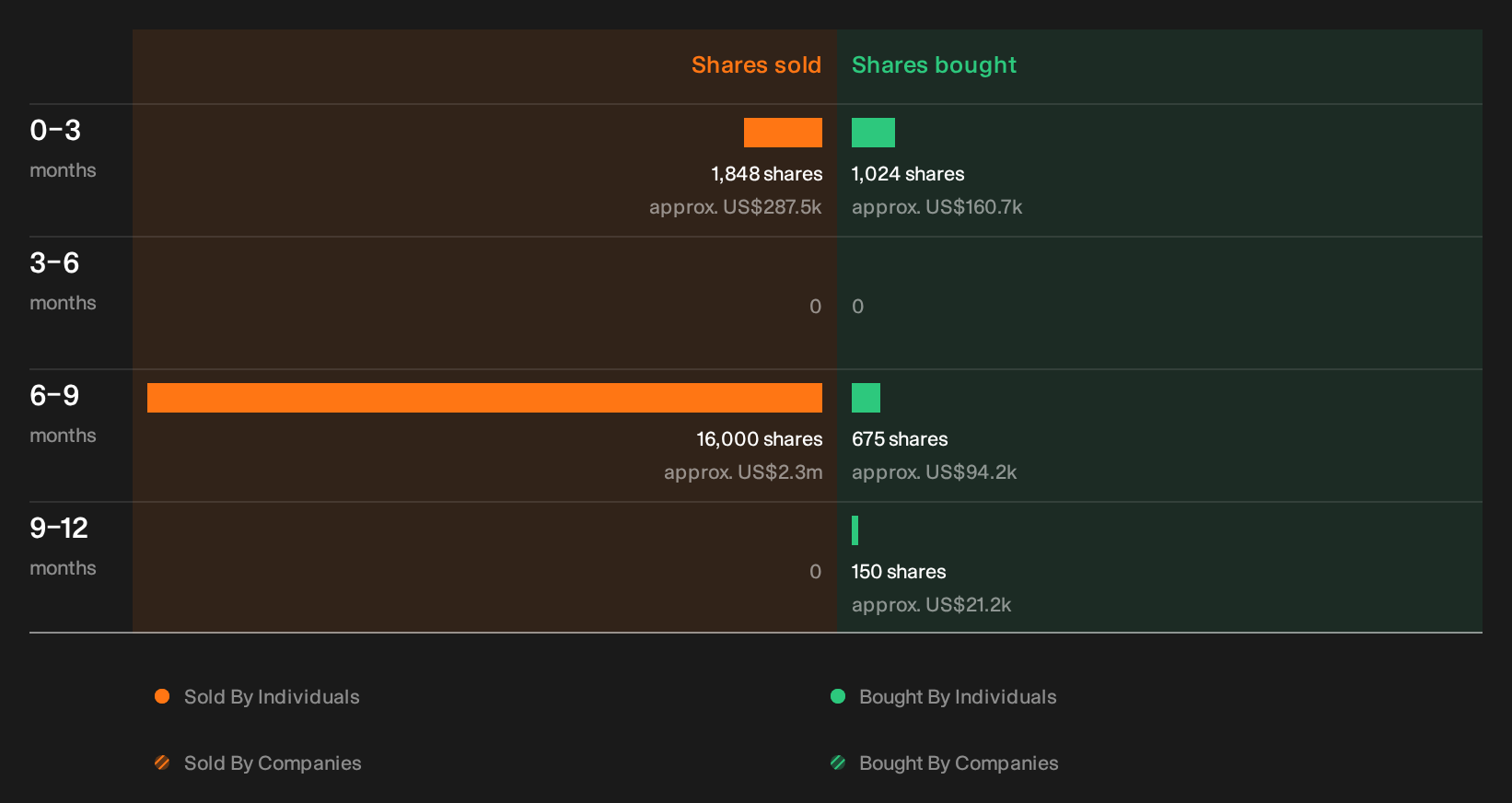
Valuation only tells part of the story for Bank First, because recent activity by people inside the business can hint at a very different risk and reward profile than the headline numbers suggest. See the recent insider selling flagged for Bank First.
Have feedback on this article? Concerned about the content? Get in touch with us directly. Alternatively, email editorial-team@simplywallst.com