


Coverage around Rolls-Royce Holdings (LSE:RR.) has zeroed in on its Defence division, as small modular reactor projects progress across the UK, Sweden, and the Czech Republic. This is putting nuclear energy exposure firmly on investors’ radar.
Share price action has been choppy. Rolls-Royce Holdings has a 1-day share price return of 2.97% and a 7-day share price return of 3.35%, yet the 30-day share price return is down 13.61% and the 90-day share price return is down 16.56%. The year-to-date share price return of 6.62% compares with a 3-year total shareholder return of about 5x, highlighting a contrast between recent performance and the longer-term track record as investors reassess how Defence and small modular reactor projects might translate into cash flows.
Scan other nuclear and defence power plays that are moving on similar themes to Rolls-Royce Holdings with our curated 16 nuclear energy infrastructure stocks in one place.
Rolls-Royce Holdings has already delivered a multi-year rerating. However, recent volatility hints at investors questioning how much future Defence and SMR upside is still on the table versus already baked into the price.
Most Popular Narrative: 9% Undervalued
Rolls-Royce Holdings last closed at £12.76, while the most followed narrative on the stock pins fair value nearer £14.01, which puts recent share price swings in a different light for anyone focused on long term cash generation rather than short term headlines.
The way I see it, Rolls-Royce already did the hard part: it cleaned up its finances, started making strong profits, built up cash, got a credit upgrade, brought back the dividend, and is buying back billions in shares. Yet the share price still looks cautious for a company in this shape, and when I checked the experts estimates, most of them agreed there is room to rise.
See why 49 investors see Rolls-Royce Holdings as 9% undervalued.
Result: Fair Value of £14.01 (UNDERVALUED)
Still, the Rolls-Royce Holdings story could be knocked off course if profit margins compress faster than expected or if Defence and SMR projects face material delays.
Find out about the key risks to this Rolls-Royce Holdings narrative.
Another View: What Rolls-Royce Holdings’ P/E Is Telling You
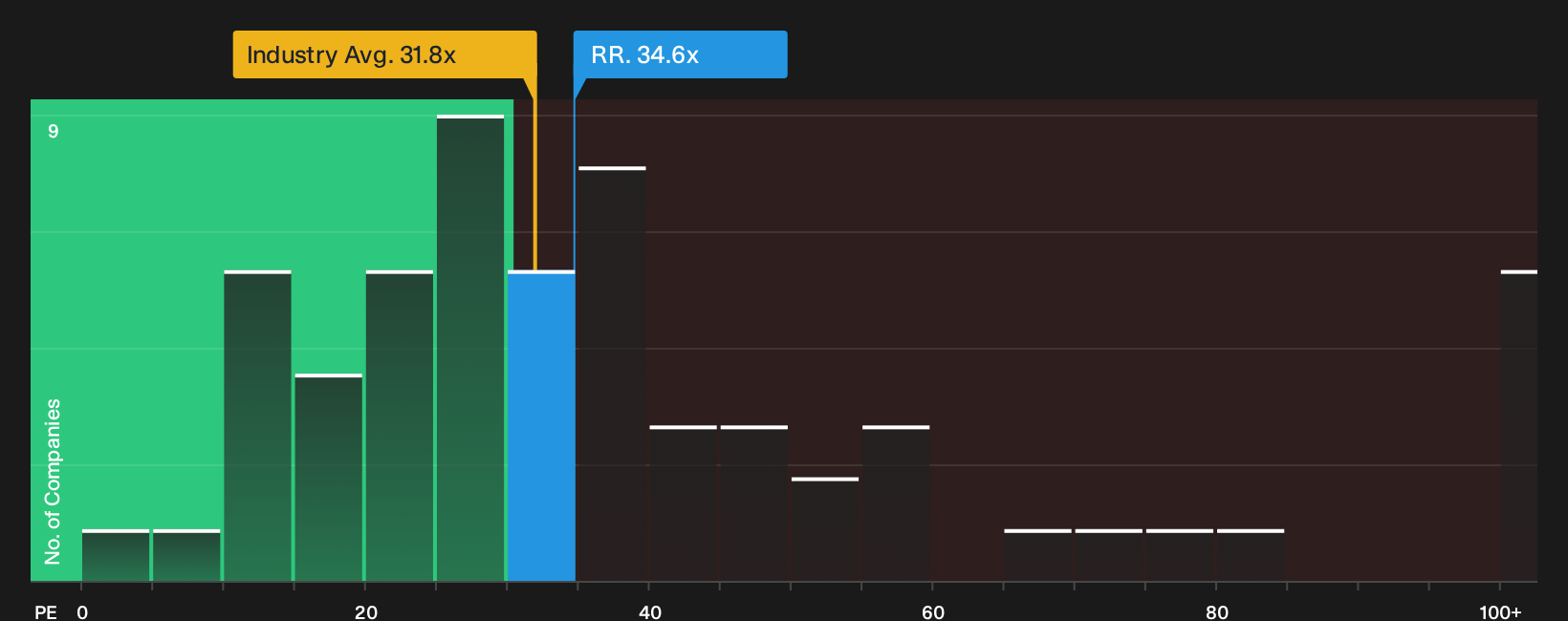
The SWS DCF model points to a fair value near £13.15 and has Rolls-Royce Holdings trading about 2.9% below that level, which supports the user narrative that the shares are modestly undervalued. Yet a 34.6x P/E that is higher than both the European Aerospace & Defense average of 31.8x and a peer average of 28.6x suggests investors are already paying up for quality and future growth. If the fair ratio of 35.7x is the point the market gravitates toward over time, any slip in execution or sentiment could matter more than the 9% discount implied by the narrative. The question for investors is which signal to place more weight on.
See what the numbers say about this price in our valuation breakdown, starting with See what the numbers say about this price — find out in our valuation breakdown.
Next Steps
Mixed signals around Rolls-Royce Holdings can be energising or unsettling, so move quickly, walk through the numbers yourself, and weigh both sides of the story. To see those trade offs set out clearly, compare the 3 key rewards and 1 important warning sign
Looking For More Investment Ideas Beyond Rolls-Royce Holdings?
If the mixed messages on Rolls-Royce Holdings sharpen your focus, extend that edge. Use targeted screeners to spot opportunities before they move out of reach.
- Hunt for mispriced quality by scanning our curated list of 13 high quality undervalued stocks that combine strong fundamentals with potentially attractive entry points.
- Build a sturdier core to your portfolio by reviewing a list of solid balance sheet and fundamentals (10 results) that can help anchor returns when conditions get tougher.
- Spot future standouts early by working through 5 high quality undiscovered gems that have strong underlying numbers yet limited market attention.
Have feedback on this article? Concerned about the content? Get in touch with us directly. Alternatively, email editorial-team@simplywallst.com