


Target has had a strong run in the past year, so the live question now is whether the current share price lines up with the cash flows its business is expected to produce. After such a move, the key issue for you is not just what the stock has done, but what its underlying cash generation can reasonably support.
- The stock is up 80.2% over the past year, which puts real pressure on the cash flow story to justify how much investors are now paying for Target.
- Recent refreshes to private label ranges like the Threshold home brand may support expectations for steadier sales and potentially more resilient cash flows if shoppers keep responding to differentiated, affordable products.
- Prefer to judge Target on earnings? See what Target's 16.4x P/E says about the price.
The issue now is whether Target's current market value is supported by the cash flows implied by a Discounted Cash Flow (DCF) view of the business.
If you are weighing whether Target's 80.2% 1 year gain is fully backed by its cash flows, it can help to compare it with other retailers screened for 34 high quality undervalued stocks.
Is Target a Bargain on Cash Flow?
The Discounted Cash Flow (DCF) model here is built on Target’s ability to turn sales into free cash over time. Latest twelve month free cash flow sits at about $5.0b, and the projection set assumes that this cash generation grows from current levels rather than shrinking away. Those ten year forecasts do not rely on explosive expansion; they lean on steady increases that fit a large, mature retailer with an established store base and online operation.
Because those projected cash flows, once discounted back, point to an intrinsic value meaningfully above the current share price of $158.38, the model suggests investors are not paying a full price for that stream of cash today. The recent overhaul of the Threshold home brand, with hundreds of new products aimed at value focused shoppers, helps explain why analysts are comfortable underwriting ongoing free cash flow growth in this DCF framework. You can see how that gap between price and estimated worth is calculated in more detail here. Find out what Target could be worth using our Discounted Cash Flow (DCF) estimate.
The Target Narrative: What Would Justify Today's Price?
Simply Wall St Narratives pick up where the DCF puzzle leaves off for Target by spelling out which combinations of future growth, margins and earnings would need to play out for the stock to be worth materially more or less than today’s market price. They sit on the Community page so you can track how sentiment evolves around the retailer. Each narrative links a specific fair value estimate to a clear story about Target's potential catalysts and key risks, which helps you monitor over time which version of events is actually unfolding in the business.
Target now splits opinion between investors who see enough execution to support the current price and those who think expectations already run hot.
Bull case: roughly fairly valued
"High margin alternative revenue streams such as Roundel, Target+ marketplace, and Target Circle 360 are scaling quickly, with recent gross billings and membership revenue growth of about 20% to more than 40%, which is designed to add incremental net margin and earnings on top of core retail profit..."
Discover why this Narrative puts Target at roughly fairly valued.
Bear case: 20% overvalued
"Although Target is seeing strong traffic-led comparable sales and higher guidance, rising SG&A that is growing faster than sales and reflects ongoing compensation, training, and capital project spending could limit how much of that top-line strength converts into sustainable operating margin improvement and earnings growth..."
Explore why this Narrative puts Target at 20% overvalued.
One more angle on Target that could matter
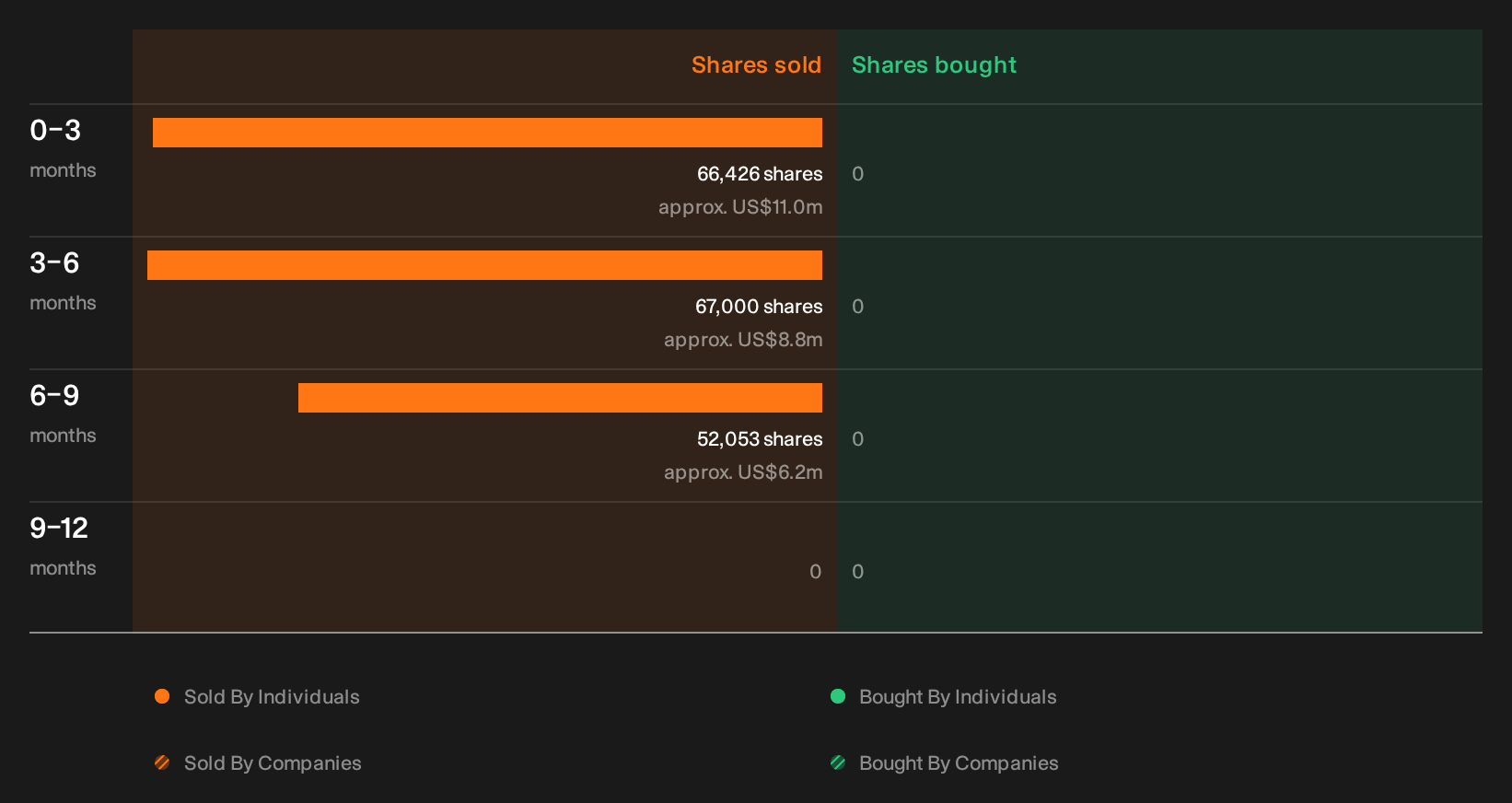
Valuation work only tells part of the story, because recent trading by people inside Target has been flagged by our checks and the specific sellers, sizes and possible read throughs are still for you to review. See the recent insider selling flagged for Target.
Have feedback on this article? Concerned about the content? Get in touch with us directly. Alternatively, email editorial-team@simplywallst.com