


Oil has lurched lower on hopes of US and Iran easing hostilities, even as fresh strikes and threats around Hormuz keep nerves frayed. That mix of softer Brent prices and higher geopolitical risk is quietly reshuffling winners and losers across global energy. This article unpacks that story and walks through three integrated oil and gas majors most exposed to these cross‑currents so you can judge whether they belong on your watchlist today.
The stocks covered next are just a sample set, and the full screen surfaced 33 more integrated oil and gas majors with equally compelling narratives that are not included here. To identify and analyze those extra global heavyweights for yourself, go straight to the Global Integrated Oil & Gas Majors screener.
FLEX LNG (FLNG)
FLEX LNG plugs into the Global Integrated Oil & Gas Majors theme as a pure LNG shipping play, giving you exposure to seaborne gas flows rather than drilling or refining. Its charter book and vessel employment are the real story to watch.
FLEX LNG operates a fleet of 13 liquefied natural gas carriers, earning about US$360 million from transportation shipping, and it has a market value near US$1.5b.
"The multi-year contract backlog that management now quantifies at 51 to 54 years of firm coverage and potentially 78 to 81 years with options continues to lock in high vessel utilization, which can support reported revenue and earnings even if future LNG shipping spot rates soften."
The real swing factor is how one still-building supply wave in LNG carriers interacts with that locked-in demand profile.
That supply wave is only half the story, and the full narrative for FLEX LNG shows how FLEX LNG’s contract profile and capital returns could decouple its share price from headline LNG freight cycles.

Gas Plus (BIT:GSP)
Gas Plus is a Milan based natural gas group that fits the integrated majors theme by covering extraction, transport, storage, and retail in one chain. Most revenue comes from segment adjustment of about €150 million, with retail at about €38 million, and the stock carries a market value near €321 million.
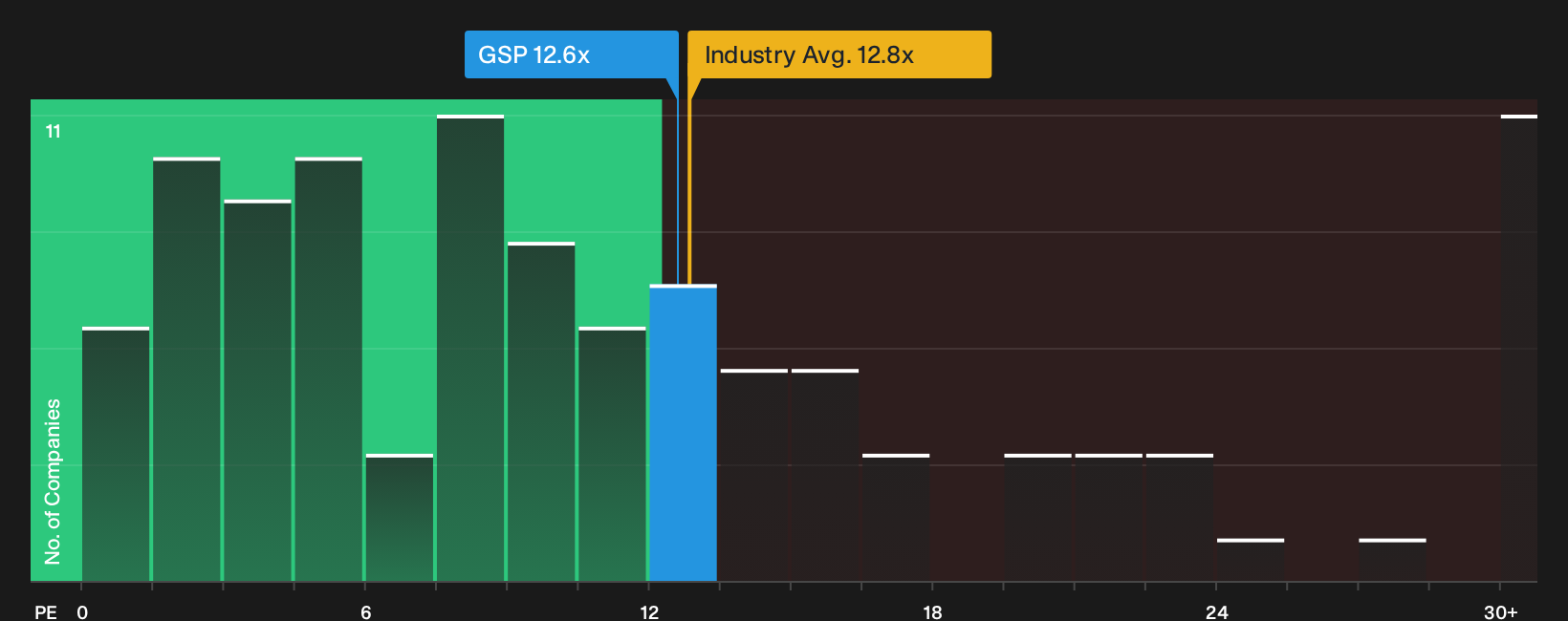
Gas Plus offers pure Italy natural gas exposure across upstream and downstream activities, backed by €177 million of revenue and a P/E close to the European oil and gas average. The interest comes from how an integrated gas producer with improving profitability responds if a single pressure point in its funding mix shifts at the wrong moment.
If that pressure point worries you, you may want to go straight to the 3 key rewards and 1 important warning sign to see what might be quietly amplifying both the upside and downside potential.
Petronet LNG (NSEI:PETRONET)
Petronet LNG is the pure gas infrastructure play inside this integrated majors screen, plugging India directly into tight global LNG supply through large import, storage, and regasification hubs that sit between upstream producers and downstream industrial and city gas demand.
Petronet LNG imports, stores, regasifies, and supplies LNG into India, earning about ₹371,729 million from import and processing of liquified natural gas, with the stock valued around ₹454.5b.
"The ongoing expansion of Petronet LNG into petrochemicals through the INR 20,685 crore PDH PP project, which is reported at about 40% physical progress, points to a future revenue stream that is separate from pure regasification and could widen the company’s earnings base once commissioned."
What matters next is how one large capital build and its funding mix affect future pricing power and the resilience of margins.
That funding question is exactly where the full narrative for Petronet LNG joins the dots on how Petronet LNG’s expansion could influence returns, risk and pricing power once the project is online.

Seeking Alternatives Before The Crowd
Fresh opportunities move fast, and yesterday’s quiet ticker can become tomorrow’s breakout while slow money is still watching. Scan what others miss while it matters and get in early.
- Spot steady cash generators before they gain momentum by scanning the curated list of solid balance sheet and fundamentals (24 results) that can keep you on businesses built to handle shocks.
- Chase high-yield income ideas with staying power by tracking the hand picked 4 dividend fortresses that could keep distributions flying while prices drop elsewhere.
- Ride the build out of future power infrastructure by filtering the focused 42 power grid technology and infrastructure stocks that highlights companies supporting grid upgrades while they are still under the radar for now.
Have feedback on this article? Concerned about the content? Get in touch with us directly. Alternatively, email editorial-team@simplywallst.com