


Block has delivered a mixed ride for shareholders over the past few years, and the question now is whether the current share price reflects the returns the business earns on the capital it deploys. With fresh attention on the stock after new product news, investors are increasingly asking how much of that story is already built into the valuation.
- The share price has fallen 67.4% over the past 5 years, which puts the spotlight on whether the return Block generates on its invested capital is strong enough to support a long term recovery case.
- The launch of Dessa, an AI voice model that runs locally on high end consumer hardware and aims to handle more natural conversation, may support expectations for how effectively Block can apply new technology to drive future revenue streams and capital efficiency.
- If you'd rather focus on earnings, this one's for you. See why Block's 130.5x P/E tells a different valuation story.
The issue now is whether the returns Block earns on its capital are sufficient to justify where the stock trades today.
If you are weighing Block against other AI driven stories, it can help to see how similar themes show up across 39 AI small caps.
Is Block a Bargain on Excess Returns?
The Excess Returns model looks at how Block turns each dollar of shareholder equity into profits above its own funding cost. In this view, the business is assumed to generate stable earnings of $5.48 per share against a book value base of $36.70 per share, which implies an average Return on Equity of 12.22%. With a Cost of Equity of $3.39 per share and an excess return of $2.08 per share, the framework treats Block as a company that clears its hurdle rate rather than one just treading water.
Those inputs roll into a higher long run book value, with a stable book value estimate of $44.81 per share, and support an intrinsic worth that the Excess Returns projections indicate is meaningfully above the current share price of $77.08. The launch of Dessa as a new AI voice model gives context for why analysts factor in ongoing reinvestment opportunities, because successful deployment of that type of product can matter for sustaining excess returns over time. To see how that gap between price and modeled worth compares with peers, you can review the detailed Excess Returns output for Block and other companies. Find out what Block could be worth using our Excess Returns estimate.
The Block Narrative: What Would Justify Today's Price?
Simply Wall St Narratives for Block pick up where the excess returns puzzle leaves off by laying out which paths for Block's revenue growth, profitability and earnings would need to play out for the stock to be worth materially more or less than today. These narratives sit on the Block Community page. They turn a single ratio or model output into a set of future checkpoints so you can watch whether the story behind that number still holds over time.
One of the top community narratives on Block: 22% undervalued
"Block’s deepening integration of Square and Cash App ecosystems through offerings such as Neighborhoods, which has reached more than US$1b in annualized seller payment volume…"
Discover why this Narrative puts Block at 22% undervalued.
Block’s share price is only one signal in a bigger decision
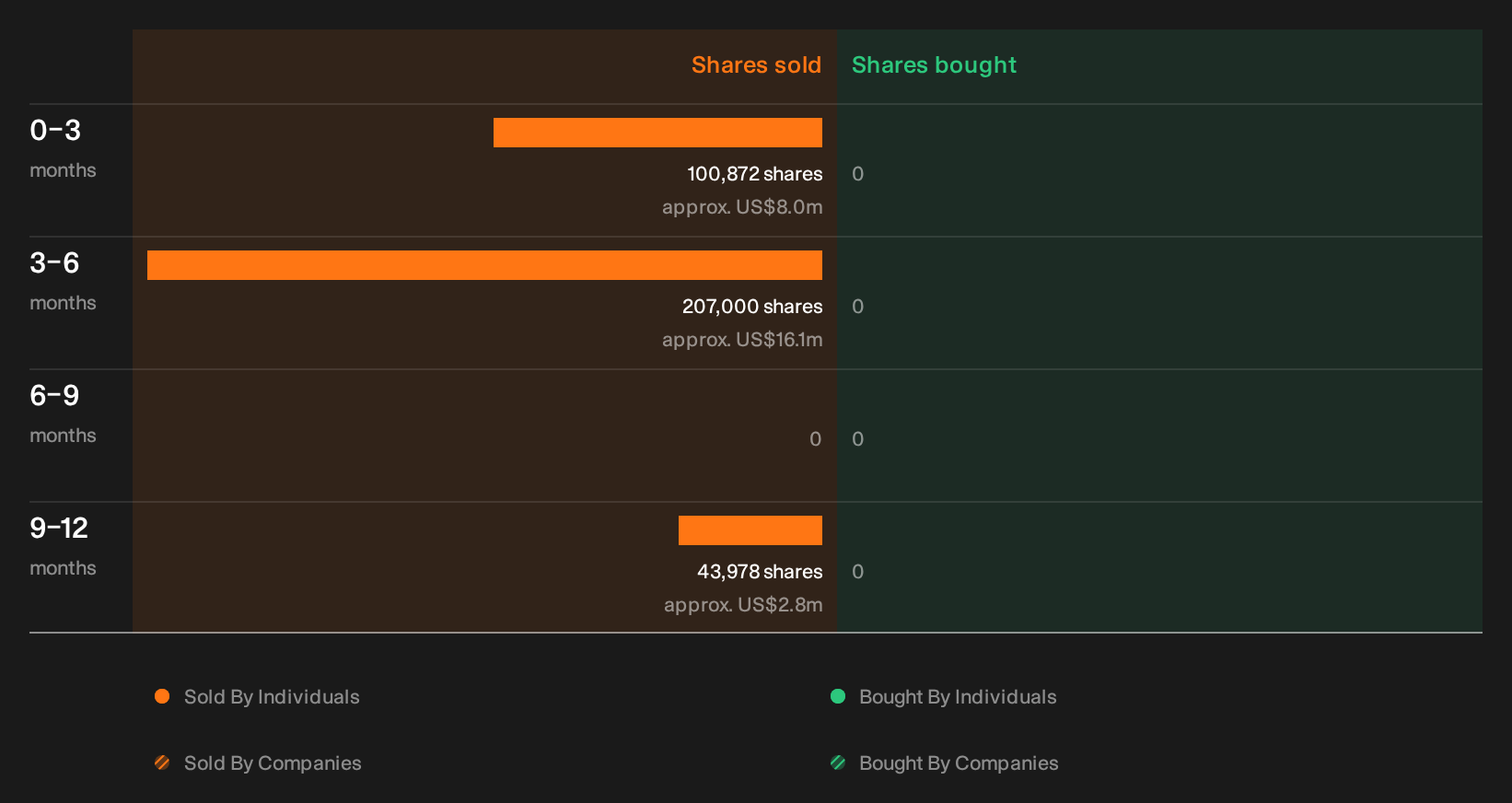
Price, models and community storylines tell part of what matters for Block, yet recent insider transactions flagged by our checks raise a separate question about what those closest to the business are doing with their own holdings. See the recent insider selling flagged for Block.
Have feedback on this article? Concerned about the content? Get in touch with us directly. Alternatively, email editorial-team@simplywallst.com