


Oil markets are swinging hard, diesel futures have slipped, and suddenly fuel is not just a cost line, it is a moving target that can reshape profit stories across transport and logistics. That kind of stress in energy prices can pressure some businesses while giving unexpected breathing room to others, which is where the opportunity sits for you. This article walks through three stocks exposed to this news and explains how each might be positioned.
The three stocks covered next are just a sample, and the wider screen on Simply Wall St surfaced 54 more transport and logistics businesses with fuel linked narratives that are not unpacked here.
If you want to identify which of those carriers line up best with your own view on oil and diesel, head straight into the Energy-Intensive Transportation and Logistics Stocks screener to filter and analyze for your highest conviction ideas.
Höegh Autoliners (OB:HAUTO)
Overview: Höegh Autoliners operates a fleet of deep sea and short sea roll on roll off vessels, moving cars and heavy equipment for global manufacturers whose shipping costs are closely tied to bunker fuel prices.
Operations: Höegh Autoliners generates about $1.5b in revenue from Shipping Services and Logistics Services in Norway, heavily tied to fuel intensive RoRo transport.
Market Cap: NOK34.2b
Höegh Autoliners sits right in the crosshairs of this theme, with RoRo routes that live and die on bunker fuel and freight pricing. The way its orderbook evolves from here matters a lot for how that fuel sensitivity plays out.
"A large pipeline of new car carriers being delivered through 2025, alongside expectations for further fleet additions, raises the risk that the current tight market gives way to industry overcapacity, which could lower freight rates and compress earnings and EBITDA margins once new tonnage is fully absorbed."
What happens if a single pressure point on future pricing shifts just as energy costs move in the opposite direction?
If that pricing crosswind is what you are watching, read the full narrative for Höegh Autoliners to see how Höegh Autoliners’ fuel exposure and contract mix could be decoupling risk.

Wallenius Wilhelmsen (OB:WAWI)
Overview: Wallenius Wilhelmsen runs a global, highly fuel intensive RoRo shipping and vehicle logistics network that moves cars and heavy equipment for manufacturers.
Operations: Wallenius Wilhelmsen generates most of its revenue from Shipping Services at US$3.9b, with US$1.1b from Logistics Services and US$371 million from Government Services.
Market Cap: NOK73.9b
Wallenius Wilhelmsen is a pure expression of the fuel theme because its ocean fleet and vehicle logistics earnings are heavily tied to bunker costs and freight pricing.
"There are growing signs that global car production will likely decline in 2025 versus 2024, combined with a muted demand environment for vehicles in many developed markets. This suggests that top-line revenue growth for Wallenius Wilhelmsen could be much weaker than current market optimism implies."
What matters now is how one unresolved pressure on shipping economics interacts with softer volumes to shape future profitability.
That tension between weaker volumes and fuel sensitive pricing is exactly what the full narrative for Wallenius Wilhelmsen unpacks. It highlights where Wallenius Wilhelmsen’s earnings story could still surprise to the upside.

Compañía Sud Americana de Vapores (SNSE:VAPORES)
Overview: Compañía Sud Americana de Vapores runs a large global container shipping fleet, where fuel is a major cost and earnings driver.
Market Cap: CLP2,335.6b
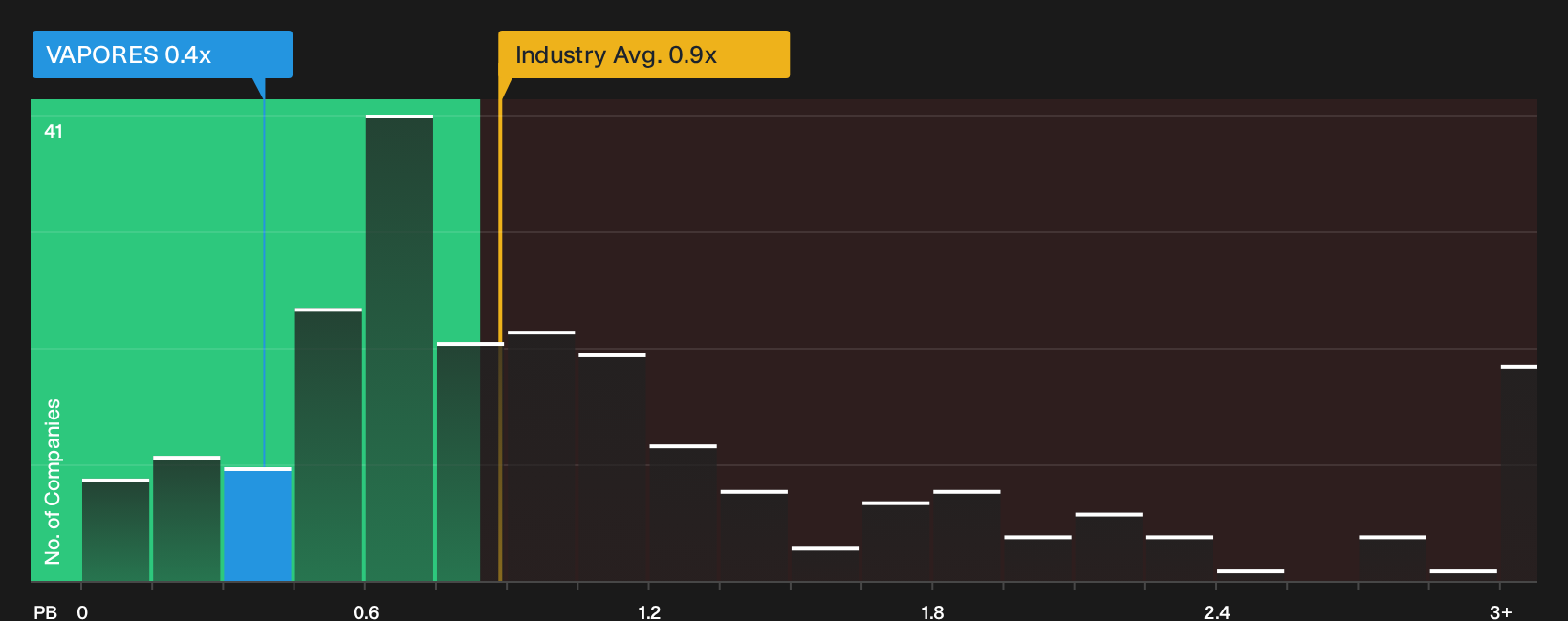
Compañía Sud Americana de Vapores gives you pure exposure to fuel sensitive global container shipping at a time when oil and diesel are swinging hard. The stock screens as deeply undervalued on P/B while the business is loss making and working through a tougher freight cycle. This raises the question of what happens if fuel costs ease faster than freight rates adjust and one key assumption on pricing resilience proves too cautious.
If that pricing reset is what you are betting on, start with the 3 key rewards and 2 important warning signs (2 are major!) to see how fuel swings could be masking the real upside or downside potential.
Seeking Fresh Alternatives Before They Fly
Markets rarely wait. Fresh themes start to build momentum, early movers take the best entry points, and the data edge fades fast under new money flows. Getting in early can be important for some investors.
- Spot potential income workhorses and scan through 220 dividend fortresses that may keep paying investors while prices swing and sentiment keeps dropping.
- Ride early breakout stories by reviewing 605 high quality undiscovered gems that still sit under the radar for now, before the crowd catches up.
- Position ahead of potential infrastructure trends and track 42 power grid technology and infrastructure stocks while demand stories are still forming and prices have not fully moved.
Have feedback on this article? Concerned about the content? Get in touch with us directly. Alternatively, email editorial-team@simplywallst.com