


The wars in Ukraine and the Middle East have pushed energy security back into the spotlight, and COP31 in Turkey is leaning harder into electrification as a response. Reliable low carbon power suddenly looks less optional and more like a requirement for grids and industries. That puts nuclear focused stocks on many watchlists. This article walks through three leading nuclear energy picks from our screener and explains why each may warrant a closer look at this time.
The three stocks highlighted here offer a compelling starting point if you want exposure to uranium suppliers, fuel cycle specialists, and nuclear reactor operators for reliable low carbon power. However, if you want the pick of this theme, these 17 nuclear renaissance stocks are the best of the best.
Duke Energy (DUK)
Overview: Duke Energy is a large regulated utility that owns and operates nuclear, gas, coal, hydro, and renewable power plants while also running natural gas distribution and related infrastructure across multiple US regions.
Market Cap: US$99.6b
Duke Energy matters for this nuclear theme because its own fleet of reactors supplies steady low carbon baseload that underpins growing electricity demand from energy hungry customers like data centers.
"Major economic development wins in Duke Energy territories, including large data center projects, are now supported by about 7.6 to 7.8 GW of executed electric service agreements and a 15.4 GW late stage pipeline that is expected to be fully contracted by the first half of 2027, which could translate into multi year load growth and higher regulated revenue as this contracted demand is served."
What really moves the needle for Duke Energy now is how one future cost pressure interacts with its regulated returns and capital schedule.
That cost and return balance is exactly what the full narrative for Duke Energy unpacks. It shows where regulatory mechanics, load growth and capital intensity may be quietly decoupling for Duke Energy.
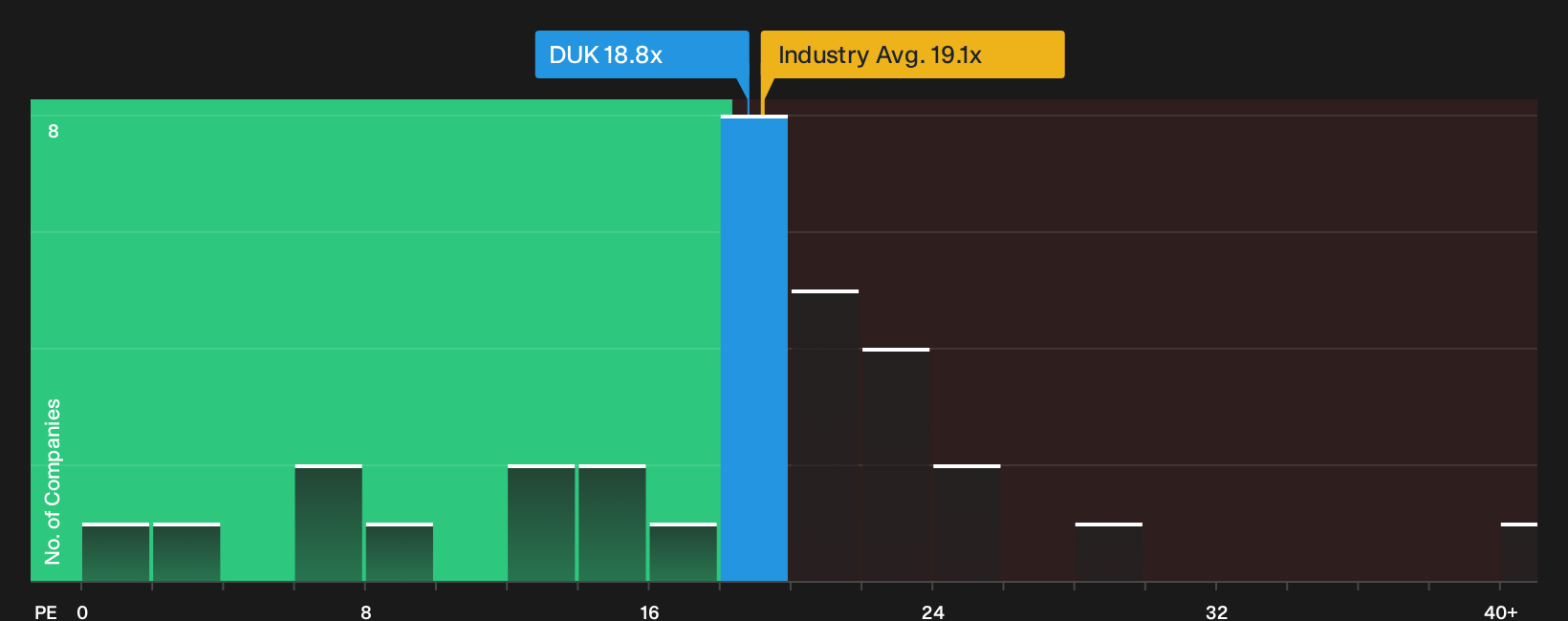
DTE Energy (DTE)
Overview: DTE Energy is a Detroit based utility that supplies electricity and natural gas, with nuclear generation embedded in its Electric segment alongside coal, gas, wind, solar, and hydro assets for millions of Michigan customers.
Operations: DTE Energy generates most of its revenue from the Electric segment at about US$7.4b, with Gas at US$2.1b and DTE Vantage and Energy Trading contributing smaller portions.
Market Cap: US$28.1b
DTE Energy matters for this nuclear screen because its Fermi 2 nuclear plant provides low carbon baseload within a much broader utility platform that is being reshaped by rising data center demand.
"Growing contracted and potential data center load, including 2.4 GW already under agreement and a further 5 to 6 GW in the large load pipeline, supports a long runway of new generation and storage projects that can add to regulated rate base and future revenue."
The key influence on the nuclear angle for DTE Energy is how a single regulatory decision set ultimately filters through into allowed returns and future margins.
That hinge point on future returns is exactly what the full narrative for DTE Energy unpacks, revealing where accelerating data center demand could magnify both upside and risk.
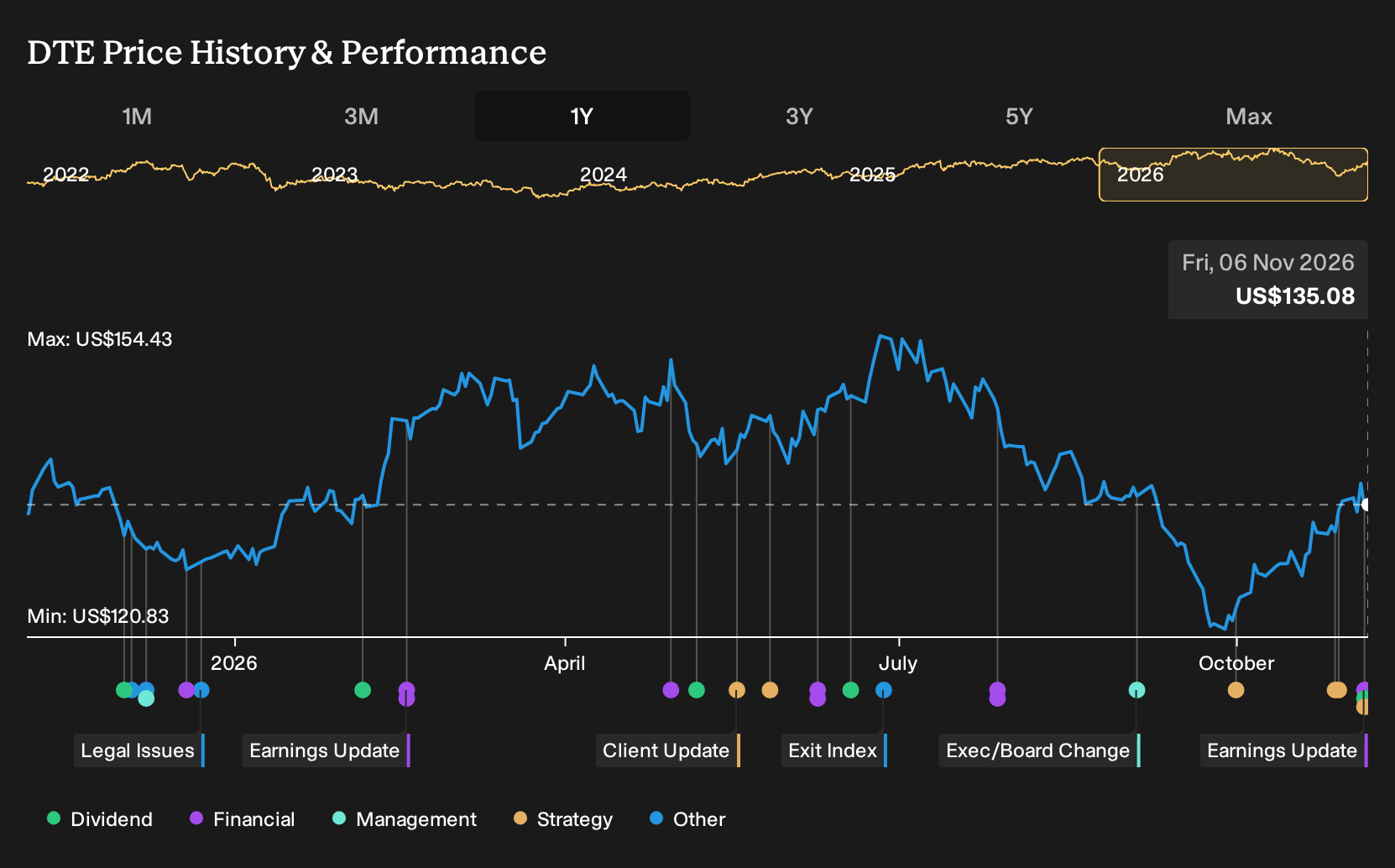
Oklo (OKLO)
Overview: Oklo develops Aurora Powerhouse small modular fission plants that aim to deliver 15–75 MW of electricity plus nuclear fuel recycling.
Market Cap: US$4.6b
Oklo gives this nuclear screen a pure play on small modular reactors, with the Aurora Powerhouse aiming to supply grid scale, low carbon electricity in compact units that match data center and industrial demand more closely than traditional gigawatt reactors.
"Oklo has already signed major agreements, e.g. with Switch for 12 GW through to 2044."
What really matters now is how one unresolved regulatory and funding hurdle shapes the timing and economics of that long-term power pipeline.
That unresolved hurdle is exactly what the full narrative for Oklo maps out, showing how regulatory pacing and funding decisions could accelerate or stall Oklo's long term build out.

Seeking Alternatives Beyond Nuclear Picks?
Fresh ideas move first, not last. New themes gain momentum while they are still under the radar for now. Before these opportunities get fully caught, act now.
- Target income strength by scanning 7 dividend fortresses that aim to keep payouts flowing while other yields are dropping or stalling.
- Spot resilient operators early by running through the 31 resilient stocks with low risk scores that keep volatility in check while still chasing breakout potential.
- Track infrastructure momentum by reviewing the 41 power grid technology and infrastructure stocks quietly building into the backbone of electrification before the crowd re-rates them.
Have feedback on this article? Concerned about the content? Get in touch with us directly. Alternatively, email editorial-team@simplywallst.com