


The Zhitong Finance App learned that on November 5, the 2026 World Internet Conference Wuzhen Summit Digital Infrastructure Construction and Development Forum was held at the Wuzhen Internet International Convention and Exhibition Center. The theme of the forum was “Strengthening the Foundation for Digital Development and Activating AI Innovation Momentum”, and was hosted by the China Internet Information Center and others. President Shi Jingyue of Fubo Group (03738) delivered a keynote speech, taking on the concept of “trusted order” in the AI content era proposed by Chairman Wang Yangbin and proposed building a “foundation of trust” for the content industry from an infrastructure level.
The phrase “who owns the content” falls on infrastructure
The day before, Wang Yangbin, chairman of Fubo Group, proposed at the Internet Entrepreneurs Forum that the era of artificial intelligence content requires a “trustworthy order”: content is identifiable, traceable, and attributable. This time, Shi Jingyue extended the topic from the perspective of digital infrastructure: she believes that digital infrastructure serves thousands of industries, and the content industry is the largest and most typical user among them. With every technological transition, the first to land in the content industry is the content industry. The production and distribution of content consumes quite a bit of computing power and networks. Content products have been in digital form since their inception. Artificial intelligence has reduced production costs by two to three orders of magnitude: an AI short only costs 20,000 to 50,000 yuan, and more than 220,000 AI skits were launched on a single platform in the first half of this year. However, at the same time, the cost of copying digital content is close to zero, and if ownership is not confirmed, it is difficult to settle the content as a manageable asset. The Internet base solves “being able to connect, run fast, and don't cause trouble”. The content industry still needs one layer, that is, clear ownership, fair distribution, and safe and controllable.
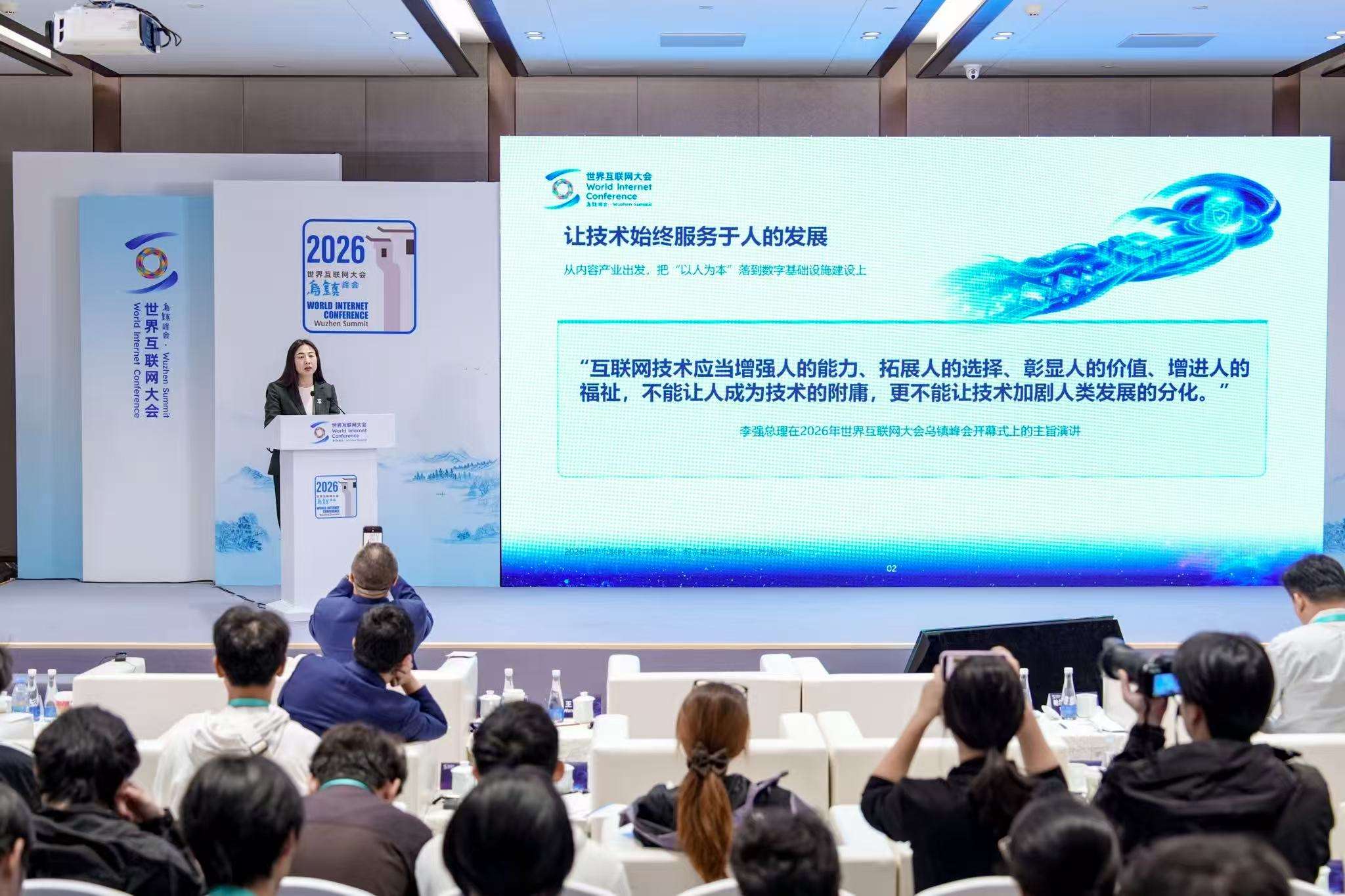
“Credibility” is both an idea and an ability that can be engineered
Fubo turns “trustworthiness” into an engineering capability: through frame-by-frame comparison of digital fingerprints, invisible watermark traceability, and full-link recognition throughout creation, distribution, transaction and monetization, giving every piece of content a digital identity. Currently, Fubo has managed tens of millions of digital assets, identified hundreds of billions of times, covered more than 200 countries and regions, and maintained zero erroneous inspections for more than 20 years.
In the past, Fubo's set of capabilities mainly served large content agencies. As AI lowered the creative threshold, Fubo began to open up to individual creators. In line with the initiative of this summit, “the results of technological progress should be truly shared by all members of society to ensure that new technology becomes a public product for the benefit of the world.” SeeBay, a one-stop platform launched by Fubo in September of this year, makes authorization, protection, and revenue distribution a measurable and settlement process. “In the content industry, we have really turned the matter of 'trust' into an industrial service that can be engineered and scaled, and that every creator can use.” Shi Jingyue said.
SeeBay is also further extending “trustworthiness” from content to people, and is about to open up digital alienation capabilities to individuals. Let real people participate in content production with trusted, authorized, and measurable digital identities — professional actors can break through time and space restrictions to participate in more creations, and ordinary people also have more opportunities to enter the production chain of content creation and production for film, television, short dramas, and music. “Enhance human capabilities, expand people's choices, highlight human value, and enhance human welfare”, so that more people have the ability to create, have the opportunity to participate, and be rewarded with dignity.
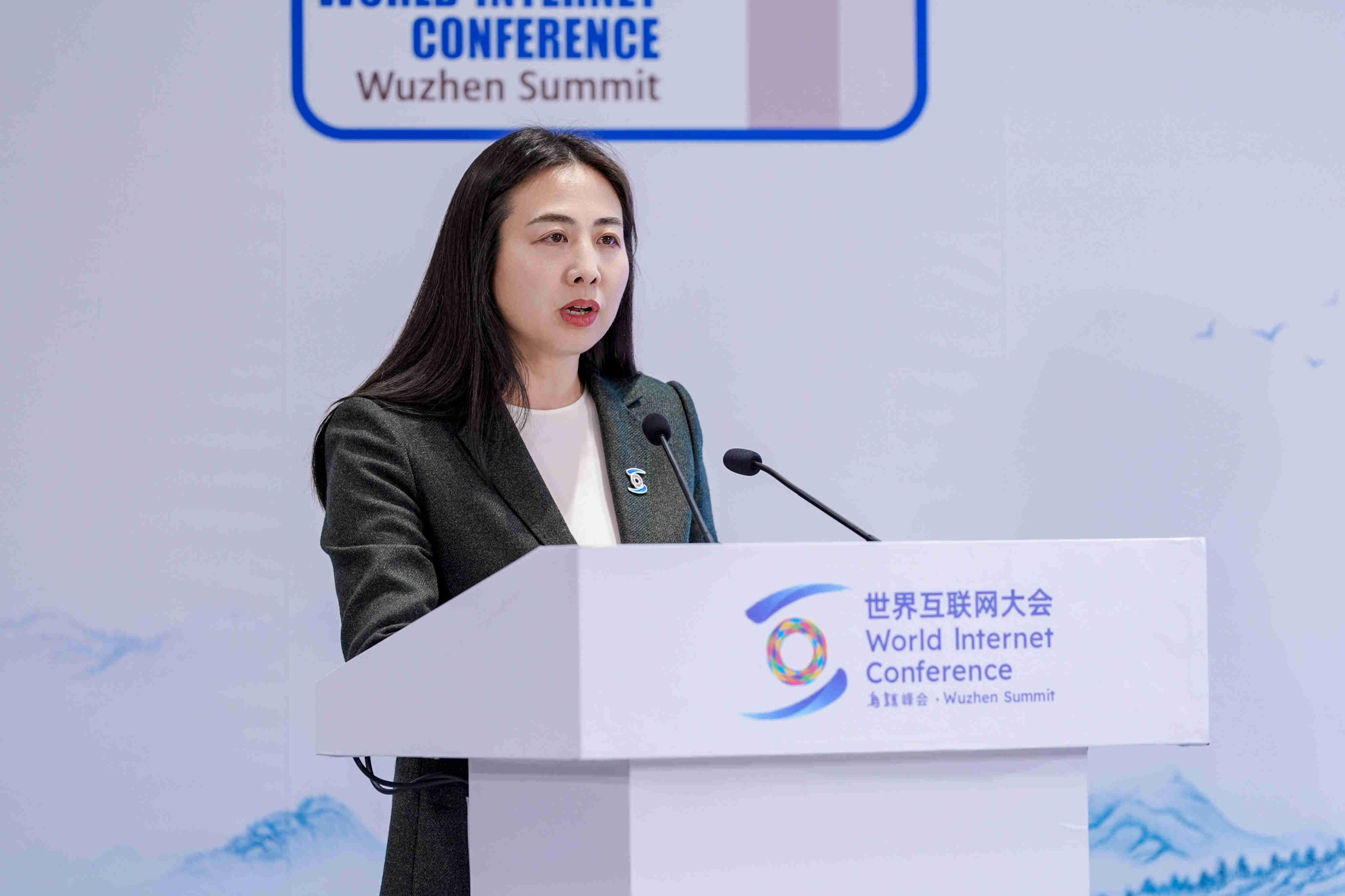
There are four layers of resilience. Openness itself is resilience
Shi Jingyue proposed that computing power, network, security, and content are credible, and that the four layers of infrastructure are connected to each other; the lack of one layer is a shortcoming. Within these four layers, credible content is one of Fubo's long-term investments; in the computing power layer, Fubo is also promoting computing power layout in Brunei to provide support for content production and the global creative ecosystem.
“Openness is not the price of resilience; openness itself is resilience.” Large institutions can build disaster recovery; individual creators can't; if only the head can handle it, the entire ecosystem is still fragile. “This is why we are opening up our capabilities to small and medium creators and advancing recognition to the element level.”
At the level of rules, her proposition is very clear: “Technology can be open source and open, and rules should be built and shared together.” The flow of content across borders also requires mutual recognition across borders for ownership determination, and requires the participation of technical parties, platforms, copyright parties, regulators, and creators.
Fubo's two-day sharing formed a complete logical closed loop: Wang Yangbin proposed the “trustworthy order” proposition on the industrial side and answered the value of the content; Shi Jingyue gave a “foundation of trust” on the infrastructure side and proposed an implementation plan. Fubo is committed to becoming a supporting force for the AI content industry, making ideas more valuable.