


The Morning Bull - UK Market Morning Update Tuesday, 10 Nov 2026
UK shares look set for a cautiously positive open, with sentiment driven mainly by anticipation around key US inflation data. Investors are treating the modest lift in global equity futures as a sign of measured risk appetite rather than a rush into risk.
The focus is the US CPI release on Tuesday, with consensus pointing to headline inflation of 0.3% month on month and 3.9% year on year for October. Core CPI is expected at 0.2% on the month and 2.8% annually, keeping US rate expectations and the timing of any potential December move firmly in play.
These inflation readings feed directly into US bond yields, which in turn help set the global cost of capital. Higher for longer rate expectations can pressure UK borrowing costs, squeeze interest sensitive domestic sectors and influence the relative appeal of UK equities versus US assets through GBP and US$ moves.
The unresolved question is whether a firm CPI print simply confirms the existing higher rate backdrop or forces a rethink on how restrictive policy might need to be. That choice, rather than earnings headlines, is likely to set the tone for the next phase of the UK market.
Stocks to Watch Before the Opening Bell
Barclays (BARC)
Barclays is returning to Saudi Arabia with a new office in Riyadh’s King Abdullah Financial District after more than a decade away. The bank gained regulatory approval in 2025 to offer investment banking in the kingdom. Saudi Arabia is described as central to its Middle East push, so this move matters for fee income and regional deal flow.
Anglo American (AAL)
Anglo American is advancing plans to sell its De Beers stake to a Global Diamond Consortium that includes Botswana, Namibia and Angola. Botswana intends to double its De Beers holding to 30%, becoming the largest shareholder. Investors will be watching the binding transaction agreements and what any disposal might mean for Anglo American’s portfolio mix and future capital plans.
SSE (SSE)
SSE Renewables hit two milestones, with key infrastructure installed at its 150MW Fiddler’s Ferry battery project and marine consent secured for the Berwick Bank C export cable. The battery is designed to power about 250,000 homes for two hours. The Berwick Bank C approval completes permits for the Cambois Connection, supporting up to 1.8GW of HVDC capacity into the British grid.
Top Movers
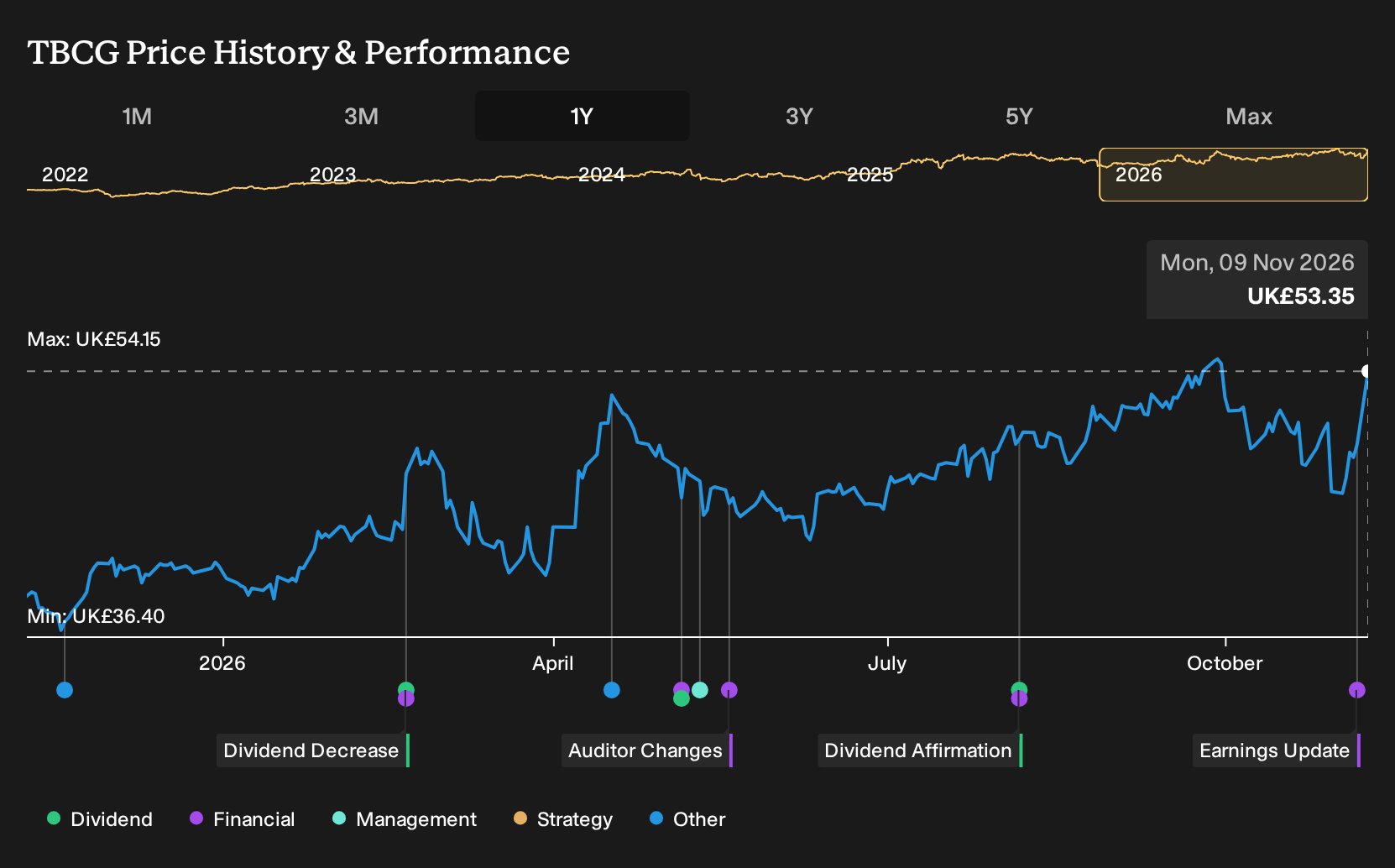
- TBC Bank Group (LSE:TBCG) jumped 9.86% after investors reacted to third quarter earnings and nine-month profit figures.
- IQE (AIM:IQE) climbed 8.36% after a strong session for UK tech peers lifted interest in semiconductor-related shares.
- Antofagasta (LSE:ANTO) advanced 6.17% as higher metals prices and a weaker US dollar supported FTSE 100 miners.
Top Losers
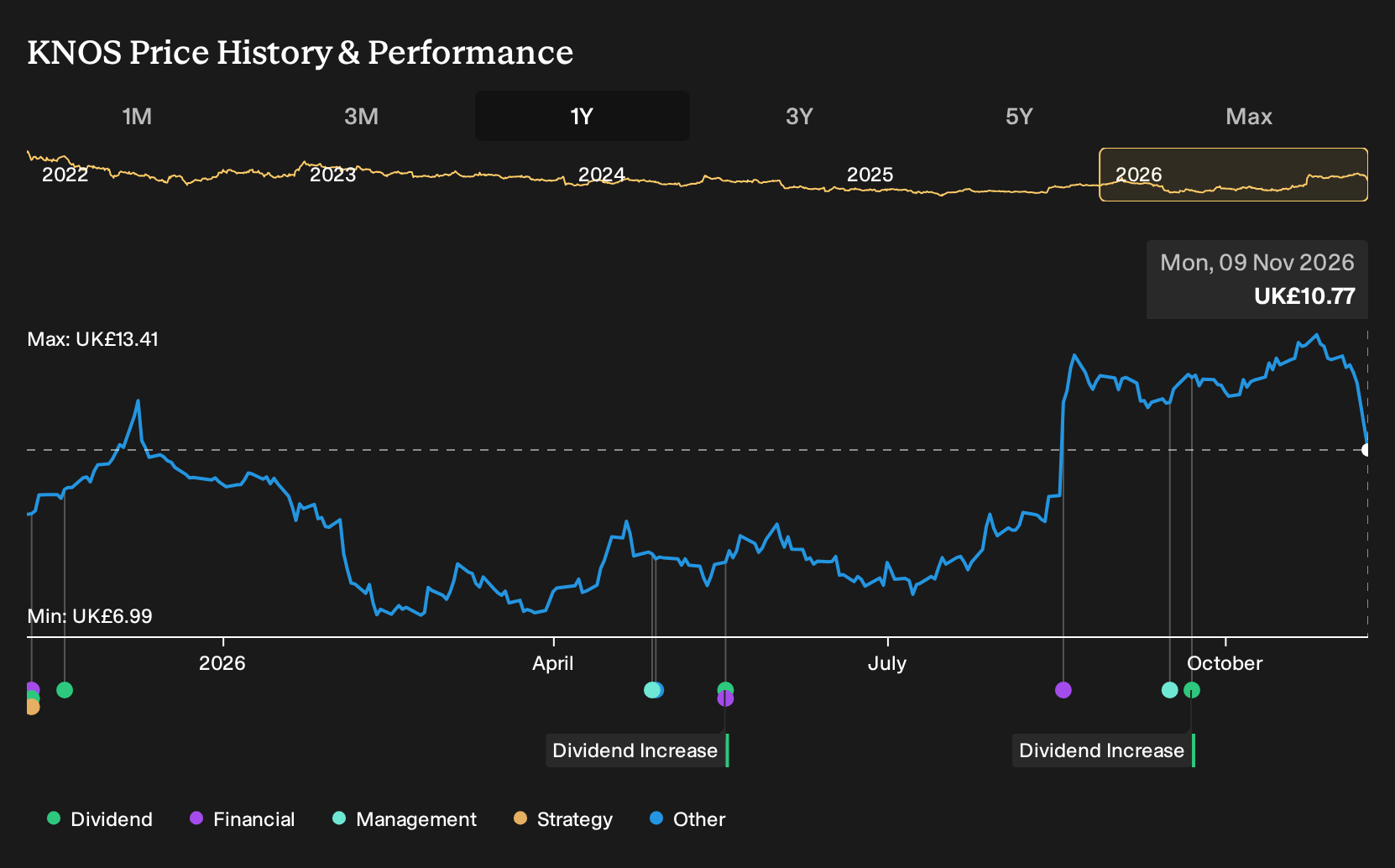
- Kainos Group (LSE:KNOS) fell 12.44% after half year results highlighted a lower gross margin due to increased subcontracted and contractor work.
- ME Group International (LSE:MEGP) fell 6.21%.
- J D Wetherspoon (LSE:JDW) fell 3.79%.
On The Radar
UK investors face a tight cluster of domestic data and earnings, with US inflation in the middle that could shift rate expectations and ripple straight into FTSE pricing and gilt yields.
- BRC Retail Sales Monitor YoY Tue 10 Nov, with September at 1% and October forecast at 1.2%, will show whether listed UK retailers are seeing any firmer high street demand as higher borrowing costs squeeze household budgets.
- US CPI and Core CPI Tue 10 Nov, with headline inflation expected at 0.3% month on month and 3.9% year on year and core at 0.2% and 2.8%, could shift expectations for US rates, pulling on GBP and FTSE 100 valuations.
- UK GDP and production data Thu 12 Nov, including Q3 GDP growth expected at 0.7% quarter on quarter and 1.9% year on year plus softer September output forecasts, will influence how investors think about earnings resilience for domestic cyclicals and banks.
- Vodafone Group Tue 10 Nov, first half 2027 results, puts the spotlight on service revenue trends and free cash flow, which matter for how sustainable investors judge the dividend stream from this FTSE telecom stock.
- Burberry Group Thu 12 Nov, first half 2027 numbers, will focus attention on full year guidance and operating margins, giving a direct read on how a premium UK listed luxury brand is managing costs against global demand.
Sector & Industry Watch
Energy and Oil and Gas: Weak week after strong run
Energy and Oil and Gas are down around 6% over the past seven days after a positive year so far, with Shell and peers under pressure as oil prices eased and company headlines reminded investors how exposed profits are to politics and legal disputes. That shift comes with the sectors trading on a P/E near 10x, well below their recent three year average, which signals ongoing caution toward future earnings.
The most important near term cue is this week’s US crude inventory data because big stock changes can move global oil benchmarks and quickly reset expectations for cash generation across UK listed producers.
Metals and Mining: Copper bounce lifts UK miners
Metals and Mining have risen close to 3% over the past week as firmer commodity prices and a softer US dollar helped stocks such as Rio Tinto, Antofagasta and Anglo American. Fresh strength in copper, linked to tighter supply into China, feeds directly into revenue hopes for diversified UK miners while Anglo American’s planned De Beers sale keeps attention on portfolio shape and debt.
The catalyst to watch is China’s October trade release on Tuesday because export and import figures give a real time read on demand for industrial metals that drive earnings for FTSE listed miners.
Real Estate: Property pause after October rebound
Real Estate has been broadly flat over the past week after a robust 30 day climb, even as landlords such as Shaftesbury Capital, Great Portland Estates and Sirius Real Estate report firm leasing activity and rent growth. REITs remain tightly linked to funding costs, since higher interest bills can eat into what they can pay out and affect how much balance sheet risk investors are willing to accept.
Thursday’s UK GDP and wider September activity data are the main triggers because any change in growth expectations can influence gilt yields, which in turn shapes borrowing costs and valuations across listed property groups.
Healthcare and Pharmaceuticals & Biotech: Quiet strength as defensives appeal
Healthcare, including Pharmaceuticals & Biotech, has edged higher over the past week, helped by product and research news from GSK, Oxford Nanopore and Advanced Medical Solutions. These companies tend to move more on trial updates and partnership deals than on daily spending data, so earnings often feel steadier when growth headlines are mixed.
The key macro check for holders is Thursday’s UK GDP release because a softer activity read can keep interest in sectors that rely less directly on discretionary household budgets.
Banks: Rate sensitive rally eyes UK data
Banks are up close to 4% over the last seven days, with Barclays, HSBC and Standard Chartered all gaining as investors reassess interest rate sensitive shares. Sector P/E around 10x, just above the three year average near 9x, sits alongside fairly steady recent earnings so the current debate is more about where loan demand and deposit costs go from here.
The clearest sector driver now is Thursday’s UK GDP and industrial output data at 7:00am because any shift in expectations for the Bank of England’s next steps can quickly change how investors think about margins and bad debt across UK listed banks.
Identify The Next Market Leaders
With UK banks adjusting to rate expectations and Thursday’s GDP data in focus, start your research with this list of 202 resilient stocks with low risk scores.
Have feedback on this article? Concerned about the content? Get in touch with us directly. Alternatively, email editorial-team@simplywallst.com