


Higher for longer interest rates have moved from theory to base case, and that shift is quietly reshaping where risk and income live in your portfolio. Cash yields feel comfortable today, yet inflation that stays above the Fed’s 2% target can still erode spending power over time. This article walks through three large cap U.S. dividend stocks from our value screener that screen as potential beneficiaries of this new rate reality, and explains how the same forces that pressure some areas of the market may support these shares.
The stocks highlighted below are just a starting sample, and the full screen surfaced 10 more large cap U.S. value and dividend companies with equally compelling stories that are not covered here. To go deeper on this idea, head straight into the Large-cap U.S. value and dividend stocks (beneficiaries of higher-for-longer interest rates) screener to identify, compare, and analyze the candidates that best fit your income and value playbook.
Millrose Properties (MRP)
Overview: Millrose Properties provides permanent capital and just in time finished homesites to large U.S. homebuilders through long term, asset backed structures.
Operations: Millrose Properties reports about US$792 million in REIT commercial revenue, all generated from activities within the United States.
Market Cap: US$4.3b
Millrose Properties fits this value and dividend screen because it packages real estate exposure and recurring financing income in a single platform. The analyst consensus Narrative on Simply Wall St frames how that model could behave if policy rates stay elevated for longer than investors once assumed.
Expanding national relationships with 12 homebuilder counterparties and growing penetration of existing programs, such as the Yardly build to rent partnership, position Millrose to steadily increase option fee income and total revenue as more communities are brought under its model.
The real question for Millrose Properties is how resilient those rich margins prove if one key funding cost pressure moves in an unfavorable direction.
If that funding squeeze is the hinge, the full narrative for Millrose Properties explains how Millrose could still maintain the acceleration of option-fee momentum while credit conditions shift.

Host Hotels & Resorts (HST)
Overview: Host Hotels & Resorts is a large lodging REIT that owns and invests in luxury and upper upscale hotels, primarily in the United States.
Market Cap: US$17.1b
Host Hotels & Resorts earns a place in this higher for longer dividend screen because it blends large scale, hard-asset backing and ongoing payouts in a sector where room pricing can adjust faster than many other real estate niches, a combination the analyst consensus Narrative on Simply Wall St views through the lens of resilient travel demand.
The ongoing rebound and expansion in leisure and experiential travel is driving strong transient demand at Host Hotels & Resorts luxury and upper upscale resorts, with recent RevPAR gains at high rate destinations such as Maui and other resort markets supporting room revenue growth and higher EBITDA.
The real swing factor is what happens to Host Hotels & Resorts margins and cash generation if one major source of demand starts to fade.
If that demand shock is the pivot, the full narrative for Host Hotels & Resorts maps how Host Hotels & Resorts could keep accelerating cash generation while room pricing and travel trends decouple.
VICI Properties (VICI)
Overview: VICI Properties is a large U.S. REIT that owns casino, hotel and leisure real estate, collecting rent from long-term net leases.
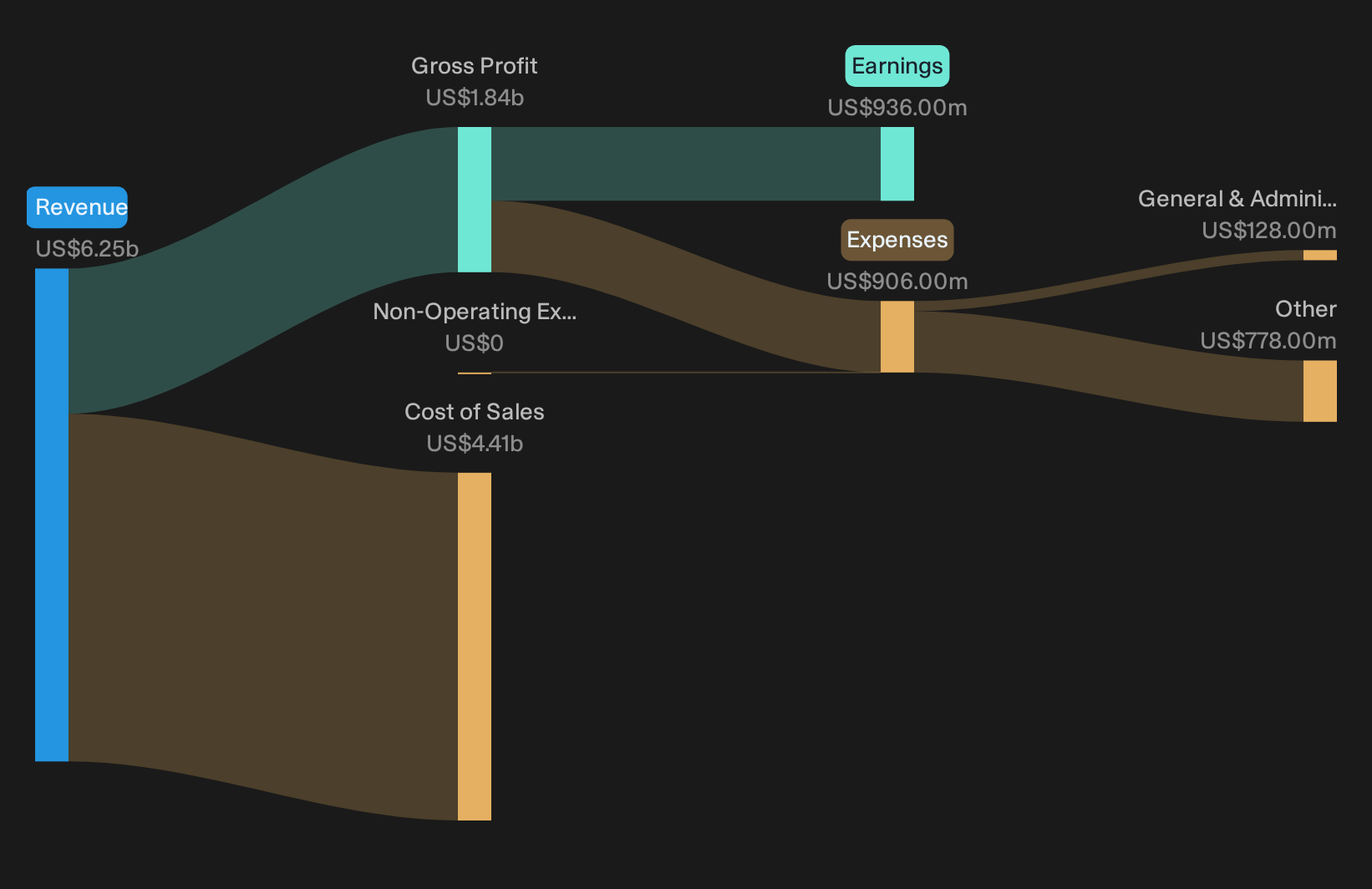
Operations: VICI Properties reports US$4.2b in revenue from real estate investment activities, all generated from properties across the United States.
Market Cap: US$27.3b
For a higher for longer dividend screen, VICI Properties matters because its long-term net leases turn marquee casino and resort real estate into contracted rental income that can support ongoing payouts, according to andre_santos, an investor in the Simply Wall St Community who wrote a detailed Narrative on the stock.
"Given the historical data presented, my assumption is that the company will be able to growth its revenues ~3.5-4.5% during Year 1 and ~3.5-5.5% each year from Year 2-5."
The real test for VICI Properties is what happens to that steady revenue glide path if a single key funding pressure shifts against it.
If that pressure point is what matters to you, the full narrative for VICI Properties explains how VICI Properties could continue to accelerate cash flows even as funding costs and tenant performance move in different directions.

Seeking Fresh Alternatives Beyond These Three?
Fresh ideas move first. Breakout stories, rising momentum, and quiet winners can get caught by screens before prices start flying. Scan them while it matters and get in early.
- Target reliable income streams by reviewing curated high yield opportunities through the 6 dividend fortresses before other investors start chasing the same payouts.
- Spot early leaders in a fast changing theme and use the 53 AI infrastructure stocks to track where real AI backbone spending could be concentrating next.
- Filter for staying power, not hype. Use the 30 resilient stocks with low risk scores to focus on companies with sturdier balance sheets before volatility affects weaker candidates.
Have feedback on this article? Concerned about the content? Get in touch with us directly. Alternatively, email editorial-team@simplywallst.com