


Antitrust fines on Korea’s primary dealers have yanked attention back to government bond yields and to the companies whose business models quietly hinge on those moves. When funding costs shift and bond income becomes more important, some stocks linked to Korean government securities can suddenly matter a lot more to your portfolio. This piece breaks down how that story connects to three specific beneficiaries of the recent news.
The stocks highlighted below are just a sample of the idea, and the full screen surfaced 9 more Korean non bank, rate sensitive beneficiaries of higher government bond yields with equally compelling narratives that are not covered here. To go deeper, head straight into the Korean Non-Bank, Rate-Sensitive Beneficiaries of Higher Government Bond Yields screener so you can identify, compare, and prioritize the highest conviction plays for your own watchlist.
Samsung Life Insurance (KOSE:A032830)
Overview: Samsung Life Insurance is a large Korean life insurer that sells protection, retirement and wealth products built around long term Korean government bond yields.
Operations: Samsung Life Insurance generates most of its ₩51.8t revenue from domestic insurance in South Korea, with smaller contributions from card, leasing and overseas Asian operations.
Market Cap: ₩43.9t
Samsung Life Insurance matters for this screener because it is the classic liability heavy life insurer whose long term portfolios and guarantees are closely linked to Korean government bond yields. The bearish analyst Narrative on Simply Wall St highlights how that rate sensitivity can cut both ways when conditions stay volatile.
"Higher interest rates and market volatility are increasing lapse risk and driving higher surrender value reserves on variable products. If these conditions persist, the company may need to commit more capital to reserves and liquidity buffers, which could constrain dividend growth and capital available for earnings accretive uses."
What happens to Samsung Life Insurance margins and shareholder payouts will depend on how one unresolved rate driven pressure ultimately plays out.
That unresolved pressure point is exactly where the story gets interesting, and the full narrative for Samsung Life Insurance shows how Samsung Life Insurance could turn rate volatility into an accelerating opportunity.
MIRAE ASSET Life Insurance (KOSE:A085620)
Overview: MIRAE ASSET Life Insurance provides personal life, health and pension cover in South Korea, with reinsurance and savings products linked to domestic fixed income.
Operations: MIRAE ASSET Life Insurance generates about ₩8.7b of revenue almost entirely from its insurance business in South Korea, tightly anchoring results to local bond yields.
Market Cap: ₩2.5t
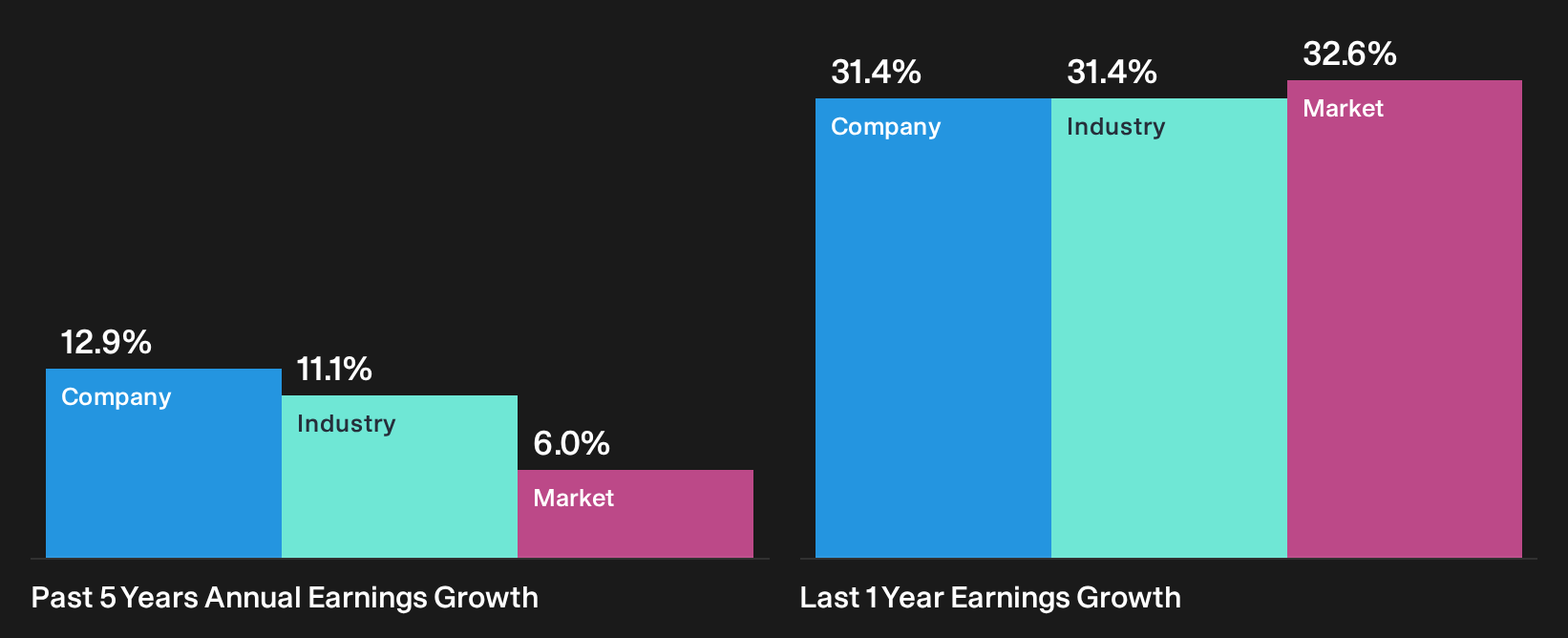
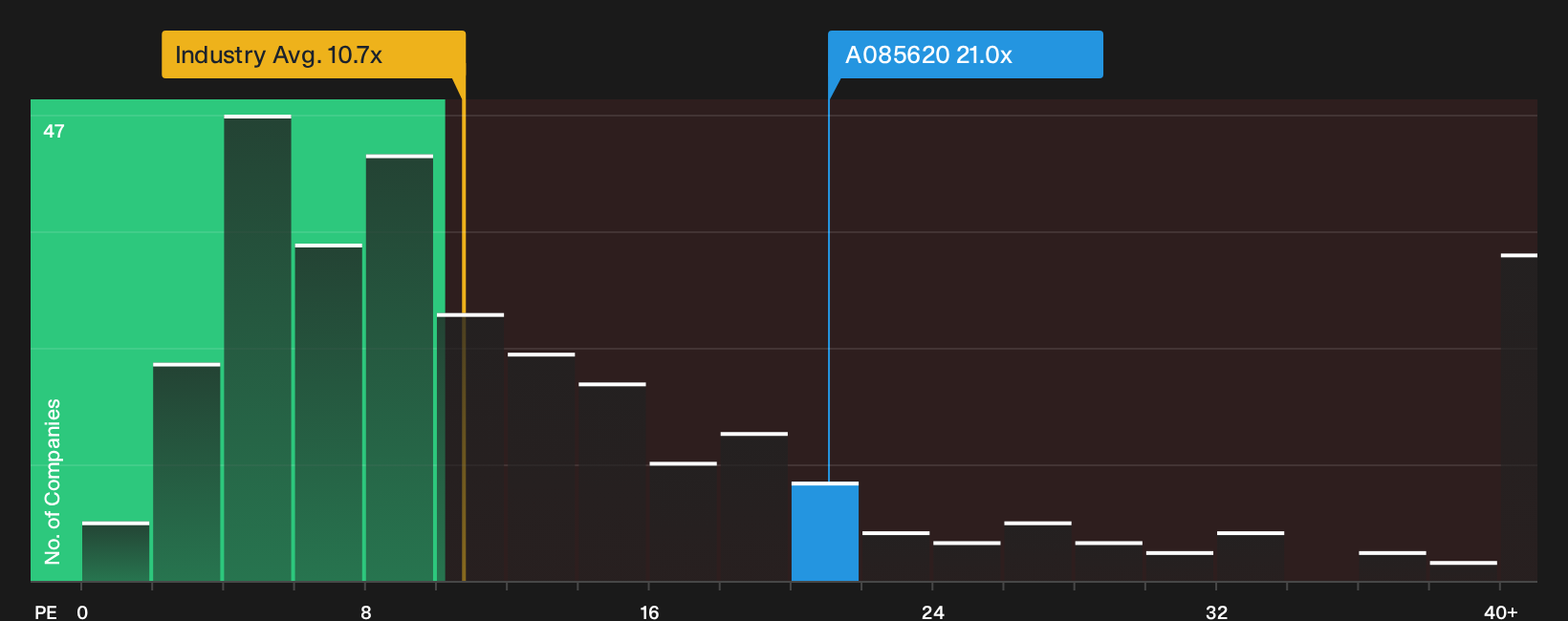
MIRAE ASSET Life Insurance sits squarely in the Korean rate sensitive theme because its life and pension books are anchored to domestic government bond returns. However, recent net income and EPS slipped despite those higher yields. The combination of a high P/E multiple and a funding mix reliant on external borrowings means the interaction between reinvestment gains and that liability structure could matter a great deal for margins.
That trade off is exactly where MIRAE ASSET Life Insurance could surprise, and the analysis report for MIRAE ASSET Life Insurance shows whether higher yields are masking strain or setting up an inflection.
Hanwha Life Insurance (KOSE:A088350)
Overview: Hanwha Life Insurance is a Korean life insurer that sells protection, savings, and pension products tied closely to long term policy guarantees.
Operations: Hanwha Life Insurance generates about ₩27.6b from insurance and ₩6.2b from certificates, almost entirely in South Korea.
Market Cap: ₩3.0t
Hanwha Life Insurance is central to this rate sensitive theme because its core earnings depend on the gap between policy promises and investment returns. The analyst consensus Narrative on Simply Wall St frames that story through how changing product mix and overseas income reshape that spread driven model.
"Rising profit contribution from overseas subsidiaries, which generated KRW 103 billion of net income in the first half of 2026 and already exceed a pretax operating profit goal of KRW 200 billion for 2026 with a longer term pretax target of KRW 304.1 billion by 2030, can diversify consolidated earnings and support more stable group level revenue and profit growth."
This raises the question of what happens when a quietly shifting source of earnings stability interacts with a rate path that still has room to surprise investors.
When those earnings drivers start to decouple from the rate path, the full narrative for Hanwha Life Insurance shows how Hanwha Life Insurance’s risk reward balance could quietly be accelerating.

Seeking Fresh Alternatives Before They Fly
Some of the strongest breakouts start quietly while attention is caught elsewhere. Use that window before the crowd arrives and ideas stop feeling under the radar.
- Spot underfollowed cash generators early and tap into 202 high quality undervalued stocks before momentum chases quality balance sheets and disciplined capital allocation higher.
- Consider structural demand in critical materials and scan the 16 top copper producer stocks while these producers are still priced as if nothing is changing.
- Evaluate developments in automation and review the curated 89 robotics and automation stocks in advance of further industrial robotics adoption.
Have feedback on this article? Concerned about the content? Get in touch with us directly. Alternatively, email editorial-team@simplywallst.com