


Japan’s rate story just took a twist. With BOJ board member Asada arguing against quick hikes and real wages only recently turning positive, the pressure valve on borrowing costs looks looser than many expected. That kind of backdrop can reshape how investors view income-focused assets and leverage. This article walks through 3 Japanese real-estate stocks exposed to this policy tone and explains why their current setup deserves attention.
The three stocks covered next are just a starting sample, and the full screen surfaced 10 more Japanese REITs and listed property operators with equally compelling narratives that are not included in this article. To size up that broader set and identify which income plays best fit your view on rates and cash flow stability, go straight to the Japanese REITs and Listed Real-Estate Owners screener.
Ichigo (TSE:2337)
Ichigo ties directly into the Japanese real-estate owner theme, with a broad portfolio spanning offices, hotels, malls, and clean energy projects. The analyst consensus Narrative on Simply Wall St highlights why its refurbish and hold model is so closely watched in a rate-sensitive market.
"Ichigo's ability to leverage real estate inflation by delivering higher value refurbish and hold assets at lower construction and CapEx intensity remains central, with management pointing to strong rent uplifts such as new leases at Tradepia Odaiba running about 20% above in place rents."
What really matters next is how one less obvious pressure on Ichigo’s cost of money and balance sheet strength ultimately shapes those cash flows.
That quiet shift in funding pressure is exactly what the full narrative for Ichigo unpacks. It highlights where cash flow resilience and rate risk might be decoupling for Ichigo.

JINUSHILtd (TSE:3252)
JINUSHILtd is a Tokyo based real estate investor focused on land purchases, long term leasing, subleasing and asset management across Japan. This places it firmly in the domestic property and rate sensitive bucket. The stock carries a market value of about ¥60b.
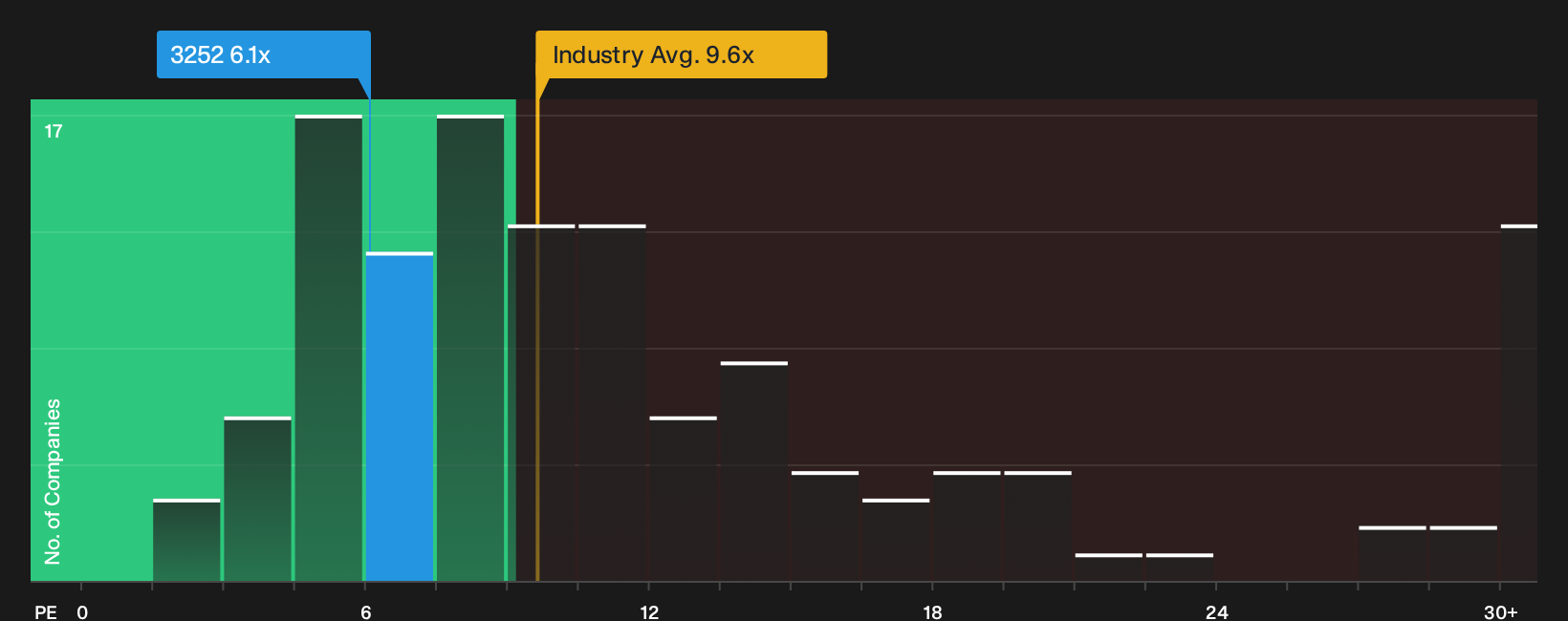
JINUSHILtd is closely linked to the Japanese real estate and interest rate environment, with earnings and asset values tied to local property conditions and funding costs. The shares currently trade on a P/E of 6.1x with a 4.49% dividend yield, while one unresolved funding pressure could influence how much of that income ultimately remains with shareholders.
That funding question makes the next step clear: the 5 key rewards and 3 important warning signs (1 is major!) to see how JINUSHILtd’s income profile and rate sensitivity really line up.
Tokyo Tatemono (TSE:8804)
Tokyo Tatemono is a long established Japanese property owner and developer in the Japanese REITs and Listed Real-Estate Owners theme, operating offices, retail sites, housing and asset services. Building Business brings in about ¥266.2b and Housing ¥101.5b. The company has a ¥691.4b market value and a funding model that is closely tied to domestic borrowing costs.
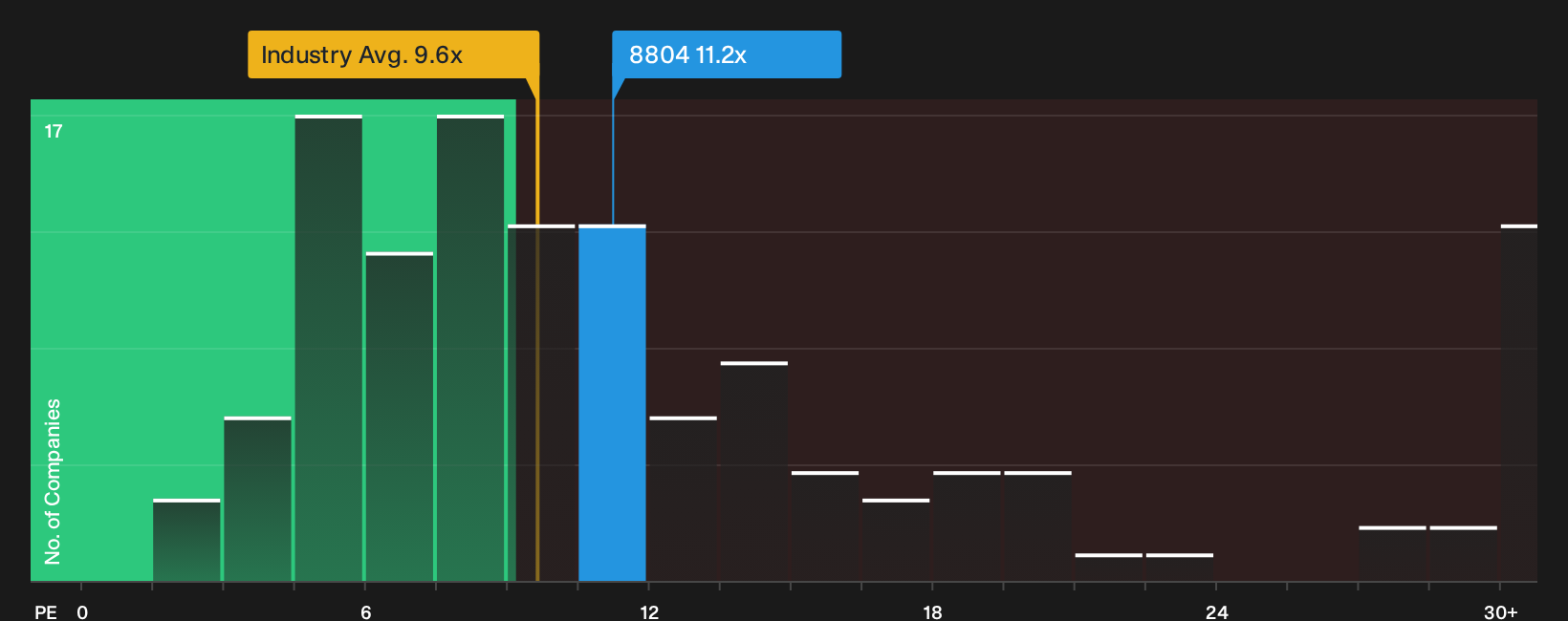
Tokyo Tatemono combines sizeable Japanese office and housing assets with a 3.89% dividend yield and an 11.2x P/E in a sector where valuations and funding costs react quickly to BOJ decisions. A slower pace of rate hikes can have an impact, depending on how one unseen pressure plays out.
That unseen pressure is exactly why the 3 key rewards and 2 important warning signs (1 is major!) could matter for how Tokyo Tatemono’s yield and rate exposure really interact.
Seeking Alternatives Before The Crowd
Fresh ideas move first. By the time momentum is obvious, early entry points are already dropping out of reach. Scan under the radar for now and get in early.
- Spot income engines that aim to keep paying while others stall by running a quick pass through the 29 dividend fortresses before yields get caught in the next wave.
- Chase early breakout potential in smaller companies already showing real traction by filtering through the curated 42 profitable AI stocks that aren't just burning cash while it still flies below most radars.
- Secure exposure to future-facing infrastructure by reviewing the hand picked 42 power grid technology and infrastructure stocks and position yourself before grid upgrades gather full momentum.
Have feedback on this article? Concerned about the content? Get in touch with us directly. Alternatively, email editorial-team@simplywallst.com