


- Subsea 7 announced that it secured a substantial Aker BP contract for the Lyra field in the North Sea, covering EPCI work on gas lift and production pipelines that use a pipe in pipe design, with offshore activity scheduled from 2026 to 2028.
- The award adds another multi year project to Subsea 7's workload, supporting demand for its vessels, engineering teams in Stavanger, and fabrication base at Vigra in Norway.
- The focus now shifts to what this new multi year Lyra EPCI award means for Subsea 7's investment narrative and future backlog quality.
Scan how Subsea 7's latest Aker BP award fits into a wider offshore energy pipeline story by comparing it with a curated list of 43 power grid technology and infrastructure stocks.
Subsea 7 Investment Narrative Recap
For an investor to stay with Subsea 7, there needs to be confidence that a large subsea tender pipeline can keep feeding work into a record backlog while margins remain healthy. The analyst consensus narrative on Simply Wall St leans heavily on that idea. The Lyra EPCI award fits this view by adding long duration work that supports vessel utilization and engineering capacity.
The more immediate swing factor is execution on existing contracts through 2027 while working capital and capex demands rise. Lyra does not change the biggest risk, which remains cash strain if EBITDA softens just as outlays increase. It does slightly improve revenue visibility into that period.
The recent selection of Seaway7 as preferred supplier for the EPCI scope on the 1.4 GW Berwick Bank B offshore wind project in the UK is directly relevant. That award underpins the view that both core subsea and renewables are contributing to Subsea 7’s backlog and future activity, rather than relying on a single segment.
Set against the Lyra contract, Berwick Bank B shows how oil and gas and offshore wind orders arrive on different cycles, which can help smooth vessel deployment and engineering workloads. For you, the operational question is whether Subsea 7 can keep converting this mixed pipeline into projects at margins consistent with recent group EBITDA performance while absorbing higher capex and funding growth through higher risk external borrowing.
Subsea 7's narrative projects US$8.1b revenue and US$841.6m earnings by 2029, based on analysts assuming 2.4% yearly revenue growth and an earnings increase of about US$228.6m from US$613.0m today.
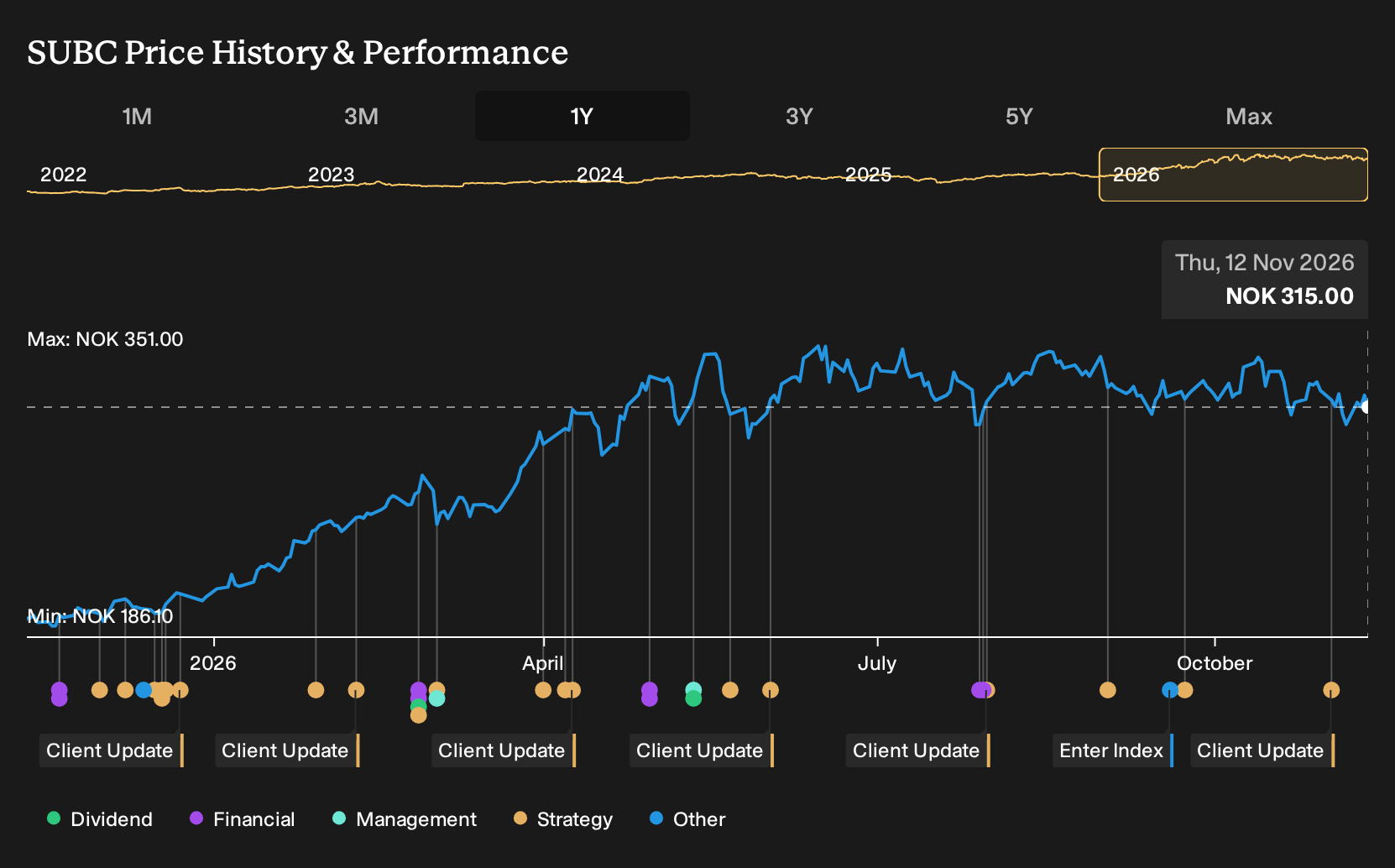
Uncover why Subsea 7's fair value indicates a 17% potential upside to its current price. This opportunity could narrow quickly if sentiment catches up.
Exploring Other Perspectives
You also have a very different story on Subsea 7 from the most bearish analysts, who worry that long term revenue could actually decline about 2.2% a year and earnings settle nearer US$482.5 million by 2029 instead of US$841.6 million. The new Lyra contract has not been incorporated into either view yet, so treat this award as a potential catalyst to reassess both sets of assumptions.
Explore 4 other Subsea 7 fair value estimates, including one that suggests as much as 19% downside from the current price.
Reach Your Own Conclusion
Don't just follow the ticker. Dig into the data and build a conviction that's truly your own.
- A great starting point for your Subsea 7 research is our analysis highlighting 3 key rewards and 1 important warning sign that could impact your investment decision.
- See our latest analysis for Subsea 7. The report includes a comprehensive fundamental analysis summarized in a single visual, the Snowflake, making it easy to evaluate Subsea 7's overall financial health at a glance.
Looking for more investment ideas beyond Subsea 7?
If Subsea 7 has sharpened your thesis around offshore energy, use that momentum to widen your watchlist with companies that fit clear, disciplined criteria.
- If you want potential mispricing with stronger fundamentals to back it up, start with a curated set of 564 high quality undiscovered gems that might not yet be on every investor's radar.
- If resilience and balance sheet strength are non negotiable for you, build your shortlist from a list of solid balance sheet and fundamentals (199 results) that filters for financial sturdiness first.
- If limiting downside risk is your priority, shape a more defensive portfolio using a 206 resilient stocks with low risk scores that screens for companies with lower overall risk scores.
Have feedback on this article? Concerned about the content? Get in touch with us directly. Alternatively, email editorial-team@simplywallst.com