


The global sports consumer market continues to expand, and sports brand giant Nike (NKE.US) is accelerating a new round of growth strategy.
On November 17, Nike officially announced the “Full Stride Ahead” (Full Stride Ahead) strategy and announced the financial framework for fiscal year 2031 on 2026 Investor Day. Based on fiscal year 2027, the company plans to achieve additional revenue of approximately $5 billion by fiscal year 2031, operating margin of 12% to 14%, and increase adjusted earnings per share to $3 to $3.50.
Judging from the strategic layout, Nike will further focus on the five major professional sports fields of running, training, soccer, basketball, and outdoor sports, while also making comprehensive deployments around product innovation, localized operation, and operational efficiency improvement. As core business resources are further concentrated, Nike is committed to transforming its brand advantage, innovative strength, and global market layout into a more sustainable growth engine.
Focus on the five major professional sports, and open up room for growth with innovation and localization
The core of this “full speed ahead” strategy is to further clarify the future direction of business growth and focus resources on areas with the greatest potential for long-term development.
The Zhitong Finance App learned that Nike plans to focus on developing the five major professional sports of running, training, soccer, basketball, and outdoor sports, as well as the sports lifestyle business covering the three major brands Nike, Jordan, and Converse. The 23 key national markets will become an important direction for resource investment. The company expects that in the 2028-2031 fiscal year, these key areas and markets will contribute about 90% revenue growth
Among them, the professional sports business is expected to become the core engine for future growth. It is worth noting that Nike's running business has achieved double-digit growth for six consecutive quarters, showing a good momentum of development.
In terms of product innovation, the company now showcased a series of innovative products planned to be launched in the next 6 to 12 months, involving technologies and product lines such as Tuned Air, Nike Mind, and Nike Free, further reflecting its continued investment in sports technology.
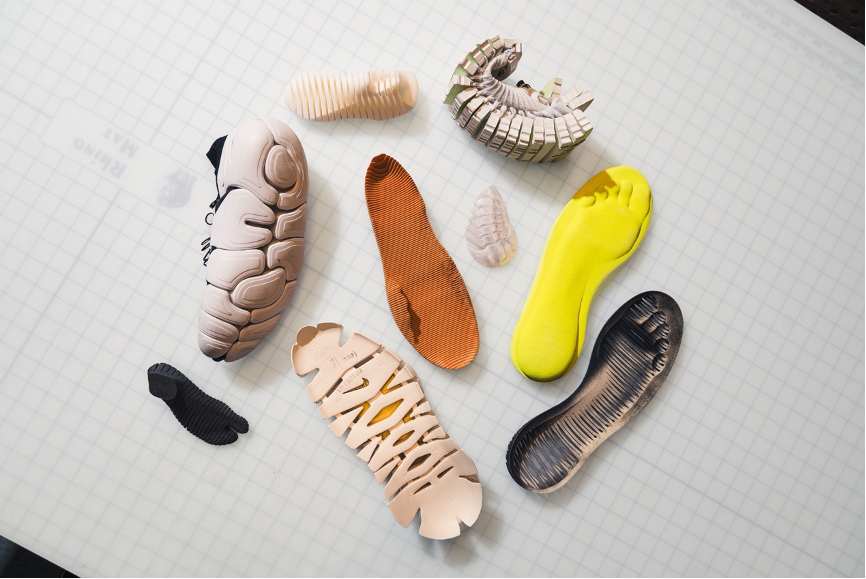
At the same time, Nike will also unlock its combined advantages through differentiated brand positioning. Among them, the main brand will accelerate the promotion of sports-led strategies, reshape Jordan's high-end positioning and restore market health, while Converse will further deepen ties with creative culture to cover more diverse consumer needs.
In terms of market layout, Nike will continue to deepen localized operations to bring product portfolios, brand narratives, and retail experiences closer to the needs of local consumers by decentralizing decision-making and strengthening ties with local athletes and communities. Business adjustments in Greater China will also continue to advance, while accelerating growth in other key markets.
In addition, the company proposed three major initiatives: Innovation Breakthrough (EPIC), Deep Connectivity (CONNECTED), and Rapid Action (FAST), which promote strategic implementation from the three dimensions of product innovation, consumer connectivity, and operational efficiency, and actively use data, technology and artificial intelligence to improve decision quality and market response speed.
New revenue of $5 billion in fiscal year 2031, with clear profit growth targets
While the strategic direction has been further clarified, Nike has also set clear financial goals for the next five years.
According to the plan, based on fiscal year 2027, the company expects to achieve additional revenue of approximately $5 billion by fiscal year 2031. Among them, the professional sports business is expected to contribute about 4 billion US dollars, and the sports lifestyle business is expected to contribute about 1 billion US dollars. The professional sports business accounts for the main part of the new revenue target, which means Nike will pay more attention to product technology, professional sports needs, and the growth potential of core categories in the future.
Among them, the Pace Plan is an important support for improving operational efficiency. Nike anticipates that by FY2031, the plan is expected to achieve annualized savings of about 2.5 billion US dollars. The relevant benefits will be shown starting in FY2027, and further enhanced in FY2029 and FY2030.
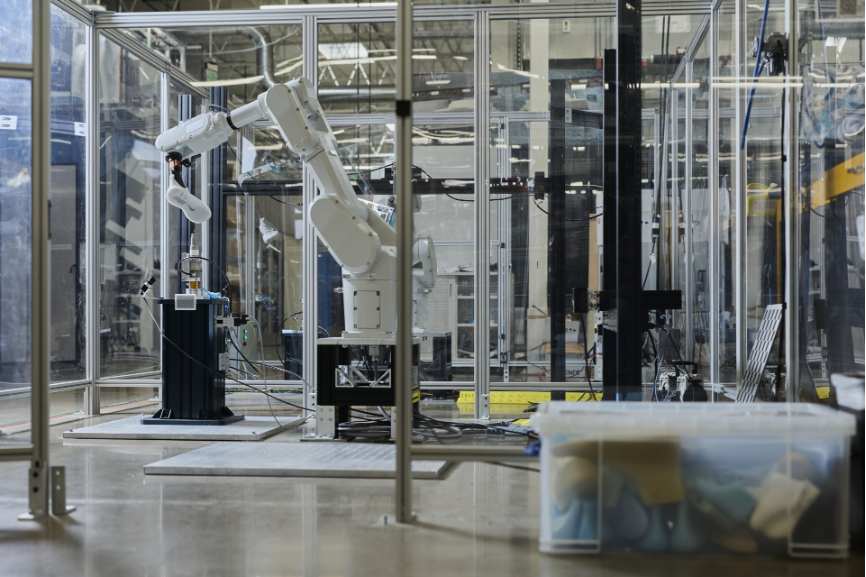
Judging from the pace of growth, fiscal year 2027 and fiscal year 2028 will be the stage for Nike to continue to consolidate its business foundation. The company expects the revenue decline in fiscal year 2028 to narrow, and aims to return to the overall revenue growth level of the market in fiscal year 2029. As strategic investment gradually pays off, revenue growth in FY2030 and FY2031 is expected to accelerate further, exceeding the overall growth rate of the market.
In terms of shareholder returns, Nike expects a cumulative return of approximately US$12 billion in capital through dividend payments in the 2027-2031 fiscal year, taking into account business development and shareholder value.
Overall, Nike has launched a “full speed ahead” strategy, which not only clarifies the direction of business growth over the next five years, but also outlines a path for improving profitability through clear financial goals. As the professional sports business continues to gain strength, innovative products are launched one after another, and operational efficiency continues to improve, Nike is expected to further unleash the long-term value of the brand and global business layout and begin a new growth cycle.